Rise and fall of Hong Kong’s ‘shop kings’: how plunging rents, debt crushed their empires
They were the “shop kings” of Hong Kong, owning dozens of properties in the same district and even the same street. But over the past few years many of these landlords have gone bankrupt, hit by the collapse in post-pandemic rents and tighter bank lending. Shop prices in the city have fallen more than 40 per cent from their 2018 peak, but they may not have hit rock bottom yet, according to…
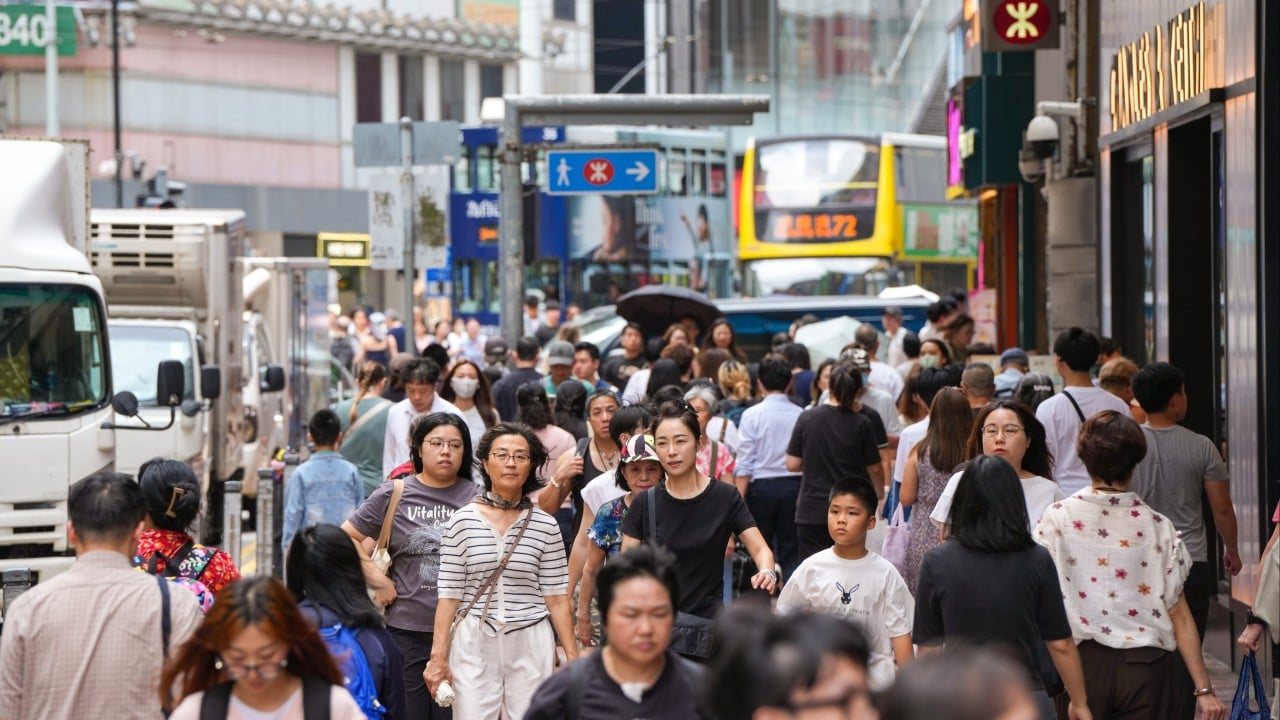
Hong Kong's "shop kings" – landlords who owned numerous properties in the same district and even on the same street – have experienced a dramatic decline in recent years. The real estate market in Hong Kong saw a collapse in post-pandemic rents and tighter bank lending, leading to the bankruptcy of many of these landlords. According to Centaline Commercial, street shop prices in the city have fallen more than 40 per cent from their 2018 peak, and there is no clear sign of a turnaround.
In the first three quarters of 2023, the total value of loss-making transactions involving street shops priced at over HK$100 million reached HK$485 million, an 81.6 per cent increase from the same period last year. One of the most prominent figures in the sector was Tang Shing-Bor, known as "Uncle Bor," who owned over 200 properties valued between HK$70 billion and HK$80 billion, ranking 19th on the Forbes 2021 list of Hong Kong's richest people.
Tang, originally a neon light repairman, became a real estate broker and invested in commercial property in the 1970s. However, the Tang family faced loan defaults and lawsuits in 2021, leading to the elder Tang's death in May of the same year. Another notable "shop king" is David Chan Ping-Chi, dubbed Hong Kong's "cassette king" for his wealth built from making cassettes and compact discs.
Chan shifted his capital from his industrial business into the local property market in the 1980s, focusing on commercial buildings, retail shops, and car parks. However, after 2019, the commercial property market took a sharp turn downwards, and his "deal of the century" ended up as a loss-making investment. Chan has since faced a financial crisis, with his luxury residence repossessed by the bank and a bankruptcy petition filed by creditors.
The decline of Hong Kong's "shop kings" can be attributed to several factors, including the collapse in rents, tighter bank lending, and the impact of the pandemic on consumer lifestyles and spending habits.
Written by urgent.news from SCMP Business's reporting — not their text. Machine-written — may contain errors; check the original before relying on it.