And he never came back’: In El Salvador, mothers desperately search for the disappeared
President Nayib Bukele claims that years of gang violence have left 80,000 people missing. However, the Legislative Assembly has rejected a proposed bill centered around the search for the disappeared, leaving families feeling helpless
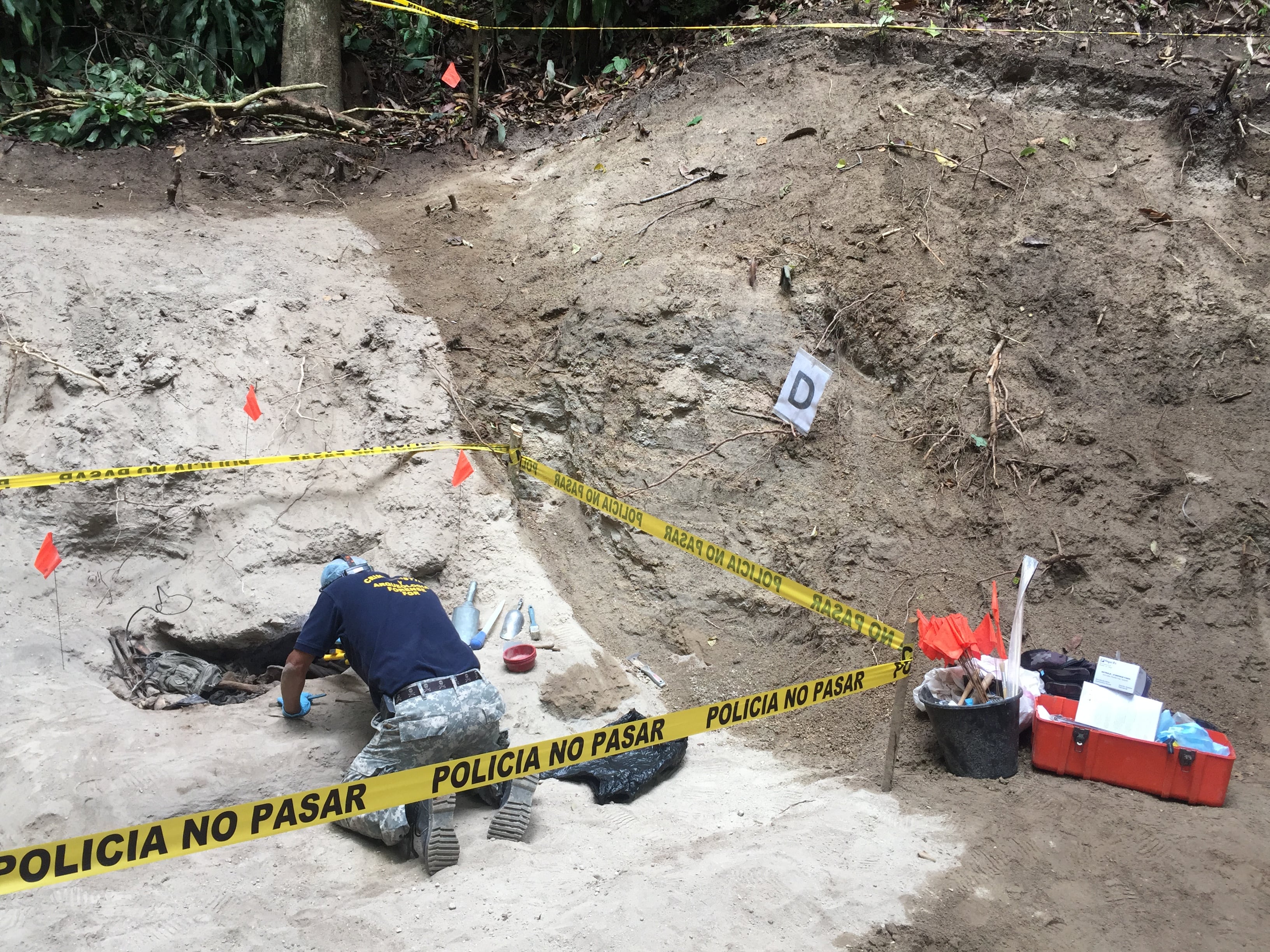
On a typical evening in August of 2021, Herbert Argueta finished answering calls from his home-based call center job just in time for his 30-minute break. Rain pounded the streets outside as he stepped out for a walk. He spotted the closed store next door to his neighbor's shop and decided to grab some juice. "I'll be right back," he assured his mother, who was watching television nearby.
Herbert never returned. His mother, Carmen, now shares the same anguish as countless other families in El Salvador, who have lost loved ones to the country's ongoing crisis of disappearances. These families, including Esmeralda Rosales, whose brother Fernando Andrés Rosales went missing in March of 2022, are searching for their relatives without any assistance from the government.
The recent state of emergency declared by the government only deepened the sense of abandonment for these families, who feel ignored by the authorities. The disappearance of Fernando, a 32-year-old merchant, remains unsolved despite the arrest of four alleged MS-13 gang members linked to the kidnapping. Both Carmen and Esmeralda are members of the Search Bloc for the Disappeared, a collective of mothers conducting their own searches for missing relatives as the state provides no support.
They have exhausted all leads, yet the authorities still have no answers. Recently, the mothers' collective took their plight to the Legislative Assembly, presenting a Missing Persons Search Law aimed at improving the search process and guaranteeing family involvement. However, the bill was rejected by the ruling party, leaving the families to continue their desperate search without any government support.
In the past 15 years, El Salvador has been plagued by a crisis of disappearances, with estimates suggesting that up to 200,000 people have been killed by gangs since the end of the Civil War in 1992. Recent statements by Salvadoran President Nayib Bukele have only exacerbated the situation, with his claims about the number of homicides far surpassing the actual number of missing persons.
As the mothers' collective continues their search, they are confronted with the harsh reality that one in every 100 Salvadorans is missing, forever lost to the system.
Written by urgent.news from El Pais English's reporting — not their text. Machine-written — may contain errors; check the original before relying on it.