World-first trial finds floating wetlands can cut greenhouse gas emissions
A floating garden of native plants in Victoria's east cuts a wastewater lagoon's emissions by about 30 per cent, with researchers now testing the approach on farm dams.
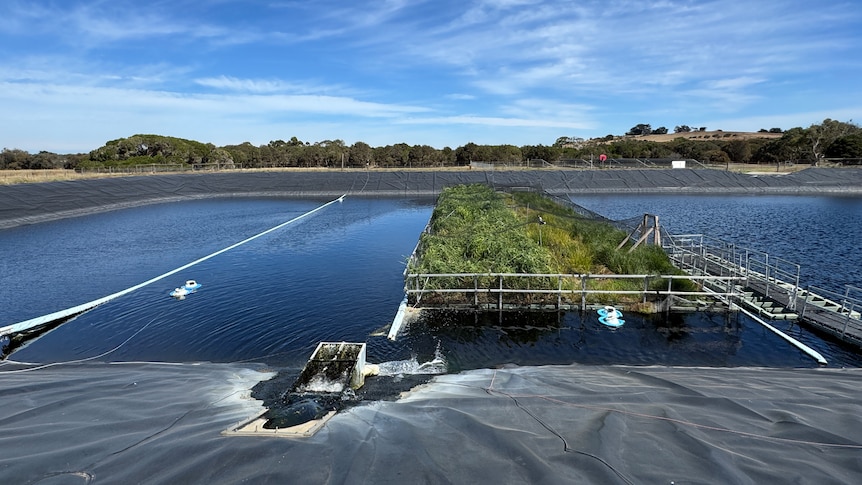
A groundbreaking trial on Phillip Island has demonstrated how floating wetlands can substantially reduce greenhouse gas emissions from wastewater lagoons. The innovative solution, which involves attaching native plant systems to buoyant platforms, could potentially be retrofitted onto existing lagoons. The study, conducted over two years by RMIT University, Westernport Water, and the CSIRO, revealed that the floating wetlands cut carbon dioxide emissions by up to 36 percent, methane by up to 66 percent and nitrogen by 18 percent compared to a control lagoon without the wetland system.
This nature-based solution, which created an environment conducive to microbial growth that breaks down organic matter and absorbs nutrients, is a significant step towards addressing the global issue of greenhouse gas emissions from wastewater treatment. The lagoon in question contained approximately 14 million litres of wastewater, and the continuous monitoring of emissions over the trial period confirmed the substantial reduction in emissions.
The technology's potential for retrofitting existing lagoons without extensive infrastructure changes makes it an appealing option for water companies, while its added benefits of pollutant removal and habitat provision for biodiversity further enhance its appeal. Future research will focus on making the floating platforms more sustainable and investigating their effectiveness in farm dams across Victoria.
One farmer participant, Camilla Graves, noted the simplicity of the system and its potential to improve water quality, benefiting agricultural communities dependent on clean water.
Written by urgent.news from ABC News AU's reporting — not their text. Machine-written — may contain errors; check the original before relying on it.