What could El Nino mean for the Gulf region?
The El Nino weather phenomenon , predicted to be one of the strongest on record, has been forecast to increase temperatures in many world regions – but in the Gulf its main effect could be to cause more rainfall. Larger amounts of precipitation may arrive in October and November, and from March to May, including severe bouts that could raise the risk of flooding, although this is not guaranteed.…
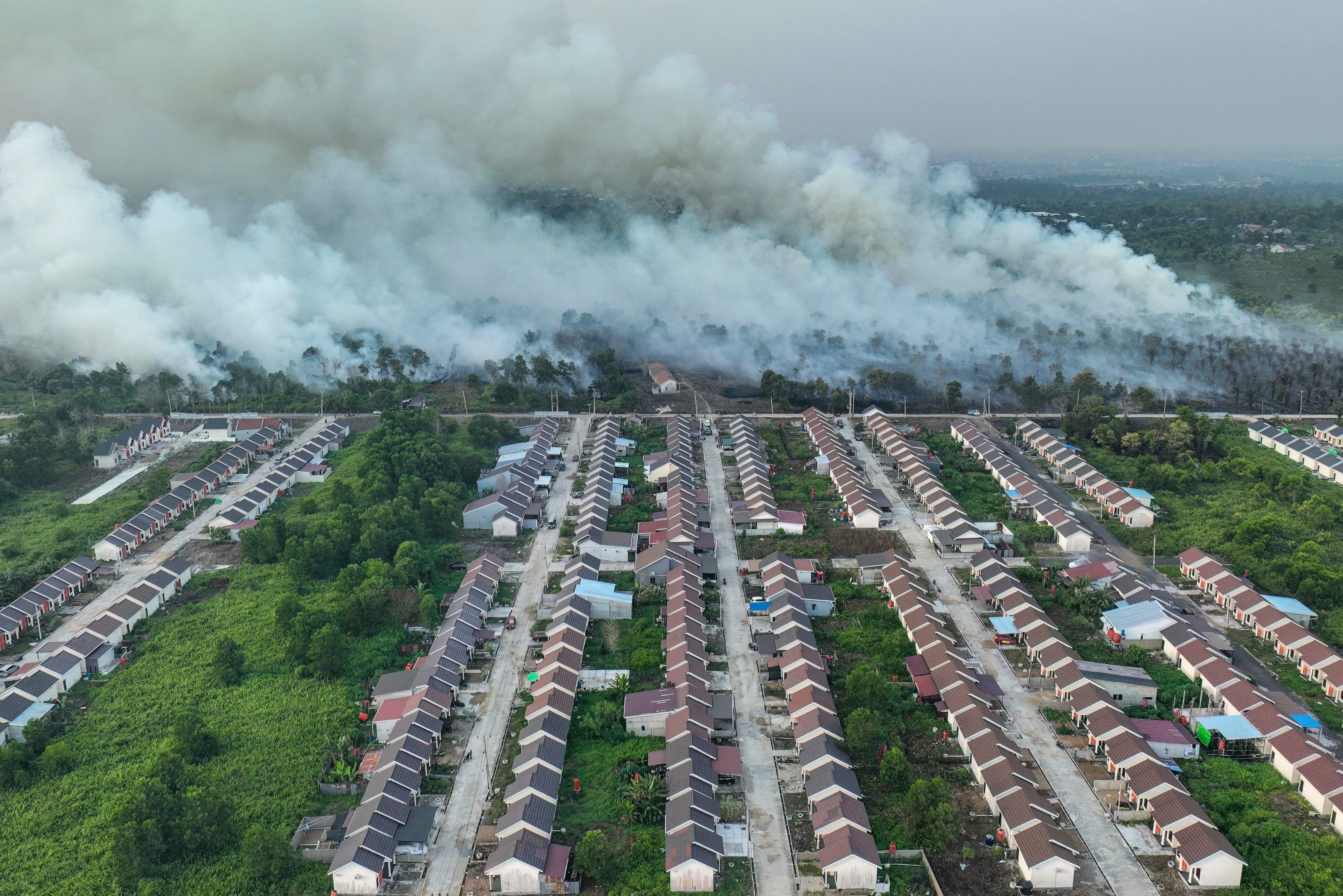
El Nino, a powerful weather event, is anticipated to bring hotter temperatures to many parts of the world but may result in increased rainfall for the Gulf region. This phenomenon may bring significant precipitation between October and November, and again from March to May, potentially causing severe flooding. The World Meteorological Organisation predicts that El Nino could last until February, with a near 100% chance of persistence.
Dr Diana Francis of Khalifa University in Abu Dhabi explained that El Nino tends to shift the Gulf and parts of the Arabian Peninsula towards wetter conditions due to enhanced moisture transport and heavier rain episodes. Dr Andries-Jan de Vries of the University of Lausanne noted that very intense downpours might become more likely, especially when combined with dry soils and the region's varied topography.
The UAE National Centre of Meteorology has indicated that the country may avoid the worst effects of El Nino, although it could experience more rain. The National Centre began investing in improving drainage after severe flooding occurred in late March 2024, almost two years after the most extreme rainfall on record. El Nino is a natural phenomenon in which the warming of ocean waters in the central and eastern tropical Pacific causes changes in the global climate.
It occurs irregularly, typically every two to seven years, with a recent forecast calling it an exceptionally strong event. The El Nino-Southern Oscillation impacts weather in the Gulf region through three mechanisms: warmer sea-surface temperatures in the central Pacific leading to colder temperatures and reduced convection around Indonesia, an alternating pattern of high and low-pressure systems affecting moisture transport, and the shift of the subtropical jet stream south towards the equator, allowing mid-latitude storms to enter the Middle East more easily.
However, El Nino does not guarantee increased rainfall; rainfall in the Gulf region varies greatly from year to year. Dr Zouhair Lachkar of NYU Abu Dhabi stated that while El Nino increases the likelihood of wetter conditions, it is not always linked to higher rainfall.
Written by urgent.news from The National UAE's reporting — not their text. Machine-written — may contain errors; check the original before relying on it.
Also reported by 1 other outlet
- What could El Nino mean for the Gulf region? thenationalnews.com