Roman emperor's private bath with 3 pools, sauna uncovered
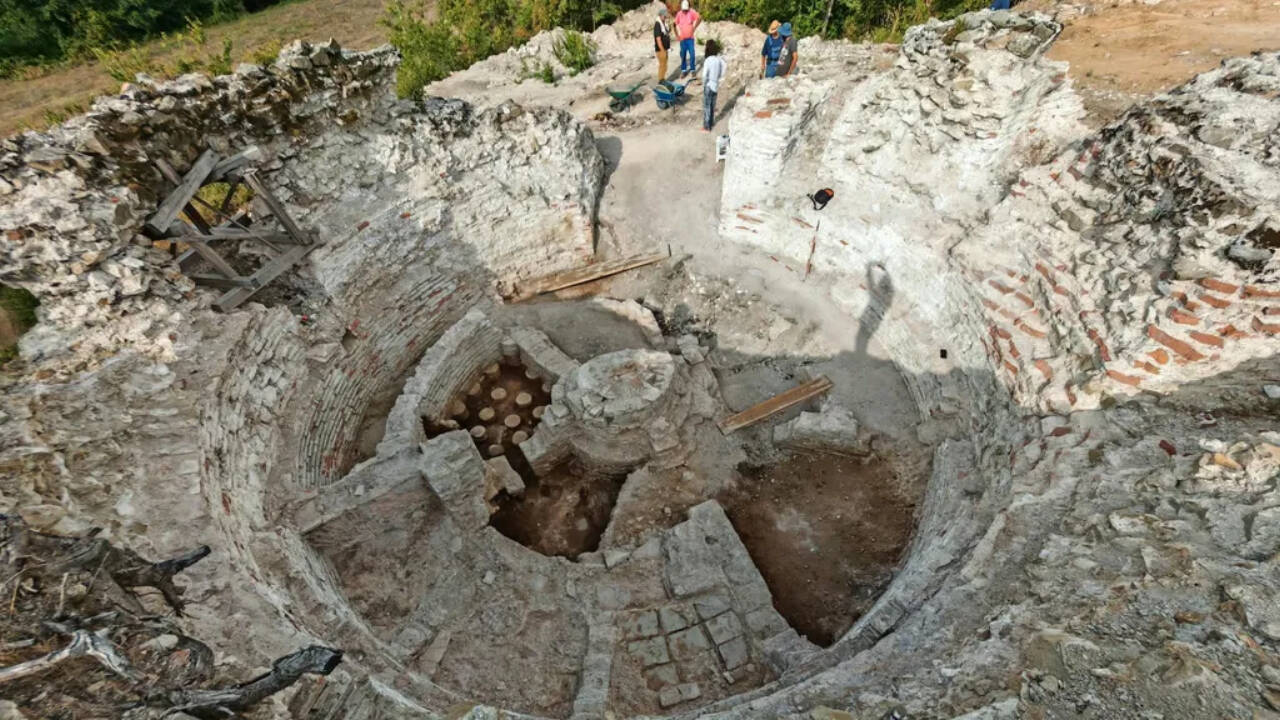
Nearly 1,700 years ago, a Roman emperor could escape the bustle of court life within his own palace. Underneath a towering structure in present-day eastern Serbia, Maximinus Daza, the Roman emperor from 310 to 313, constructed a private bathing suite. This sophisticated space, now uncovered by archaeologists, offers a glimpse into the luxurious lifestyle of the emperor and the ingenuity behind his imperial residence.
The discovery was made at Vrelo-Šarkamen, a fortified residential complex constructed in the early fourth century. The site is linked to Maximinus Daza, who ruled as Roman emperor during one of the empire's most tumultuous periods. Recent excavations by Serbian archaeologists have revealed that the palace was far more elaborate than previously believed.
The most astonishing find lies beneath a monumental tower at the southwest corner of the palace. Unlike the linear arrangement of many Roman bathhouses, this private bath was circular and situated on the lowest level of the tower. The circular design, fitted with six windows, indicates a meticulous adaptation to the palace's architecture. The dome above the bath, requiring significant technical skill, allowed for an enclosed space dedicated to the emperor and other palace elites.
The bathing complex, termed a balneum in Latin, comprised two main areas. One section contained equipment for maintaining the facility, including the remains of a furnace used to heat the floors, a Roman bathing innovation. Additionally, archaeologists discovered the base of a copper boiler used to heat water, though the boiler itself is missing.
The second section served as the bathing and relaxation area, featuring three bathing pools, tubs, and a sudatorium, a room for steam baths or sauna-like relaxation. The presence of these features suggests a space geared towards more than basic hygiene.
For Roman elites, bathing was an essential part of daily life, often involving relaxation, socializing, and personal care. In this case, however, the setting implies a more private and exclusive environment. The bath was seamlessly integrated into the emperor's palace, with its heating system, bathing areas, and architectural design all working together within a compact space. The bath's location within the tower also raises questions about how Maximinus Daza and his family accessed the complex.
Archaeologists plan to continue their investigation at the site, aiming to reconstruct the room arrangement and understand the bath's functionality within the broader palace. The remnants at Vrelo-Šarkamen are not just ancient walls; they represent a snapshot of imperial life during a period of rapid change in the Roman world, preserved beneath a tower where an emperor once sought solace in his private bath.
Written by urgent.news from Times of India's reporting — not their text. Machine-written — may contain errors; check the original before relying on it.