The slow, muddy work of saving ancient bogs
Sarah Hickey and her team help keep nearly 20,000 acres of upland in the Isle of Man healthy.
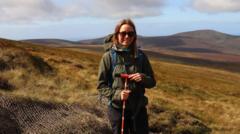
Peatland Officer Sarah Hickey, based on a Manx hillside, uses a metre-long metal rod to measure the depth of the wet ground, which is remarkably deep. The soil beneath her feet is peat, an accumulation of partially decayed plants and organic matter spanning thousands of years. Hickey, part of an island team of three, manages about 8,000 hectares of the island's uplands. The primary goal of her job is to restore damaged parts of the landscape and revitalize it.
Peat is a significant carbon sink, storing more carbon than any other soil on Earth. Its preservation is crucial to prevent carbon release into the atmosphere. The island's uplands were largely deforested in the 17th century, leading to the islanders relying on peat as a fuel source. However, the practice was outlawed in 2020, leaving behind bare and eroding peat surfaces that wash sediment into reservoirs.
Restoration efforts begin with light equipment to carefully flatten the bare peat and cover it with vegetation. To protect the exposed peat, bio logs and netting are used to maintain shade and moisture, promoting the growth of new vegetation. Sphagnum moss, experts suggest, is the real architect of a healthy bog. It thrives in peatland habitats but also facilitates their creation.
This moss absorbs large quantities of water, which reduces flooding and filters sediment before it reaches the reservoir. Moreover, sphagnum moss is fire-resistant, which becomes increasingly vital as wildfires become more frequent during the summer.
Bog ecosystems are vital for wildlife as well. Ground-nesting birds, such as hen harriers, depend on open, treeless bogs for protection from predators. The wet ground also provides an ideal breeding ground for invertebrates that serve as food for chicks. The impact of these efforts can be immediate. Hickey recalls a recent site visit where coir logs were installed, resulting in the rapid arrival of dragonflies laying eggs in newly created pools.
Written by urgent.news from BBC Science's reporting — not their text. Machine-written — may contain errors; check the original before relying on it.