Gmail AI Threat Scanner: An Open‑Source Security Layer for Your Inbox
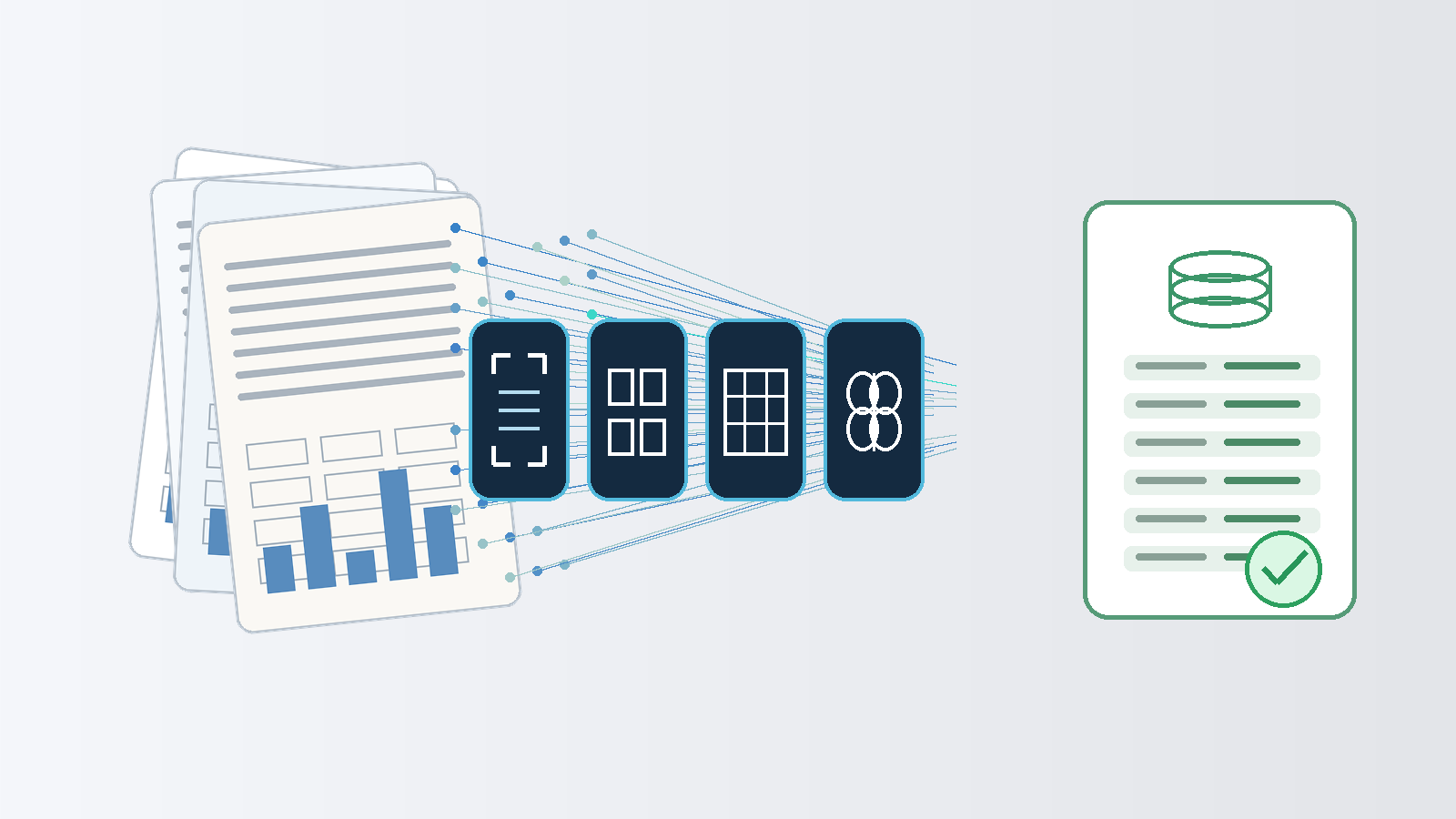
Email remains the most common entry point for cyberattacks, yet most people rely entirely on whatever built‑in filtering their provider offers. I wanted something more transparent, more customizable, and more aligned with modern AI‑driven threat analysis. So I built Gmail AI Threat Scanner. This project connects to your Gmail inbox, analyzes messages using AI‑powered threat detection, and flags…
Email serves as the primary entry point for cyberattacks, yet most individuals depend solely on whatever built-in filtering their email provider provides. Inspired by the need for a more transparent, customizable, and AI-driven threat analysis, I developed Gmail AI Threat Scanner. This project connects to a user's Gmail inbox, analyzes messages using AI-powered threat detection, and flags suspicious content—all while running locally, ensuring complete control over the process.
What the tool does:
- Scans Gmail messages using AI models for indicators of phishing, fraud, and social engineering
- Highlights risky emails with clear explanations
- Operates entirely client-side using OAuth (no passwords, no server storage)
- Provides a simple, readable interface for reviewing threats
The motivation behind its creation was a desire for a lightweight, open-source tool that offers users visibility into potential threats without the need for enterprise-grade infrastructure. The belief is that security should not be restricted behind corporate paywalls, especially when AI can help individuals defend themselves.
Looking ahead, the project plans to add:
- Multi-model ensemble scoring for more robust threat assessment
- Attachment scanning to broaden protection
- Learning from false positives to improve accuracy over time
The GitHub repository for Gmail AI Threat Scanner can be found at https://github.com/ajaynyayapathi/Gmail-AI-Threat-Scanner. Feedback, issues, or pull requests are welcome.
Written by urgent.news from Dev.to's reporting — not their text. Machine-written — may contain errors; check the original before relying on it.