What is Meta's Muse AI agent?
Meta , the owner of Facebook, WhatsApp, Instagram and Threads , has announced a new AI tool, Muse, which it describes as a "personal AI agent built for everyone". The company's chief global affairs officer, Joel Kaplan, said that Muse is safe, secure and private, and makes sure that users are in control of "what it can access" – all qualities Meta's previous offerings have been criticised for…
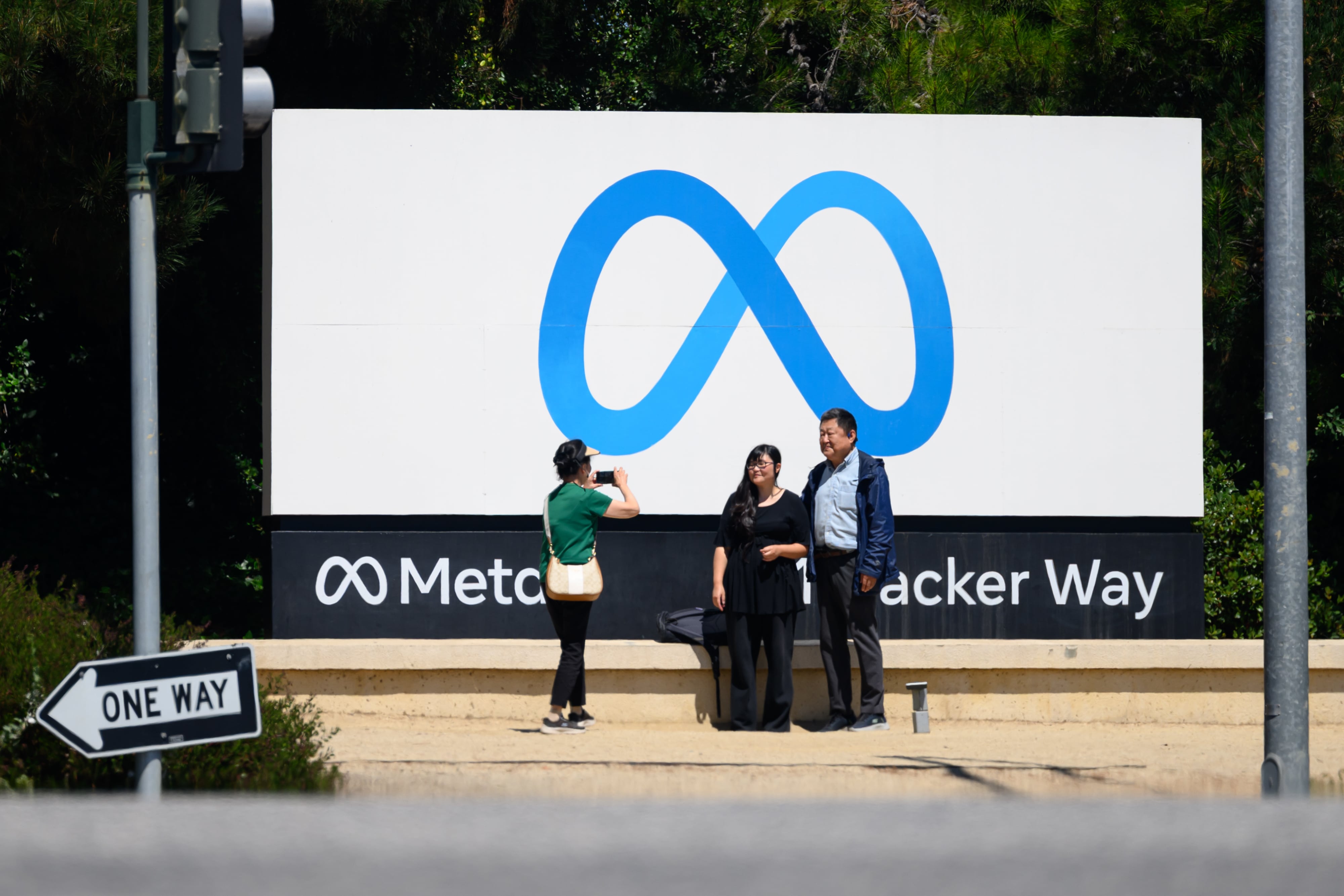
Meta, the parent company behind Facebook, WhatsApp, Instagram, and Threads, has unveiled a new AI tool called Muse. According to Meta's chief global affairs officer, Joel Kaplan, Muse is a personal AI agent designed for everyday use. This tool is claimed to be safe, secure, and private, ensuring users maintain control over its access permissions.
Meta CEO Mark Zuckerberg introduced Muse on social media, describing it as an always-on assistant that understands users' goals and works around the clock to help them accomplish tasks. Users can choose which apps and services Muse can access and can disconnect these connections at any time. The company demonstrates Muse's capabilities on its website, stating that it collaborates with existing apps to expedite various tasks.
Muse remains focused on users' objectives, suggesting ideas, creating action plans, and monitoring progress while proactively handling tasks. This AI tool is part of Meta's recent lineup of AI offerings. Just a day prior, Apple was anticipated to roll out a series of new products, potentially including a foldable smartphone.
Written by urgent.news from The National Business's reporting — not their text. Machine-written — may contain errors; check the original before relying on it.
This story
This is one outlet's version. Read the fullest account.
- Meta Debuts Muse, Its Long-Planned Personal AI Agent meta.slashdot.org
- What is Meta's Muse AI agent? thenationalnews.com
- Meta bets on AI agent Muse to catch up in AI race theverge.com
- Meta debuts its Muse AI agent. Will consumers trust it? techcrunch.com
- Meta AI launches Muse personal agent, including a new mobile app for iPhone 9to5mac.com
- Meta's personal AI agent Muse is powered by Muse Spark 1.3 and is free for up to 100M tokens per week, with $20 and $100 monthly tiers (Riley Griffin/Bloomberg) bloomberg.com
- Meta launches Muse, a personal AI agent that runs on a dedicated VM in Meta's cloud, initially available in the US, with support coming soon for its AI glasses (Ina Fried/Axios) axios.com
- Meta Releases Muse, a Personal AI Agent With Privacy ‘Built Into It’ wired.com