Cognitive biases and emotional triggers make AI-generated images highly deceptive
Emotionally charged AI images are flooding Facebook, and users are falling for them. Researchers found that synthetic pictures bypass critical thinking by exploiting our deepest cognitive biases and driving massive, unwarranted engagement.
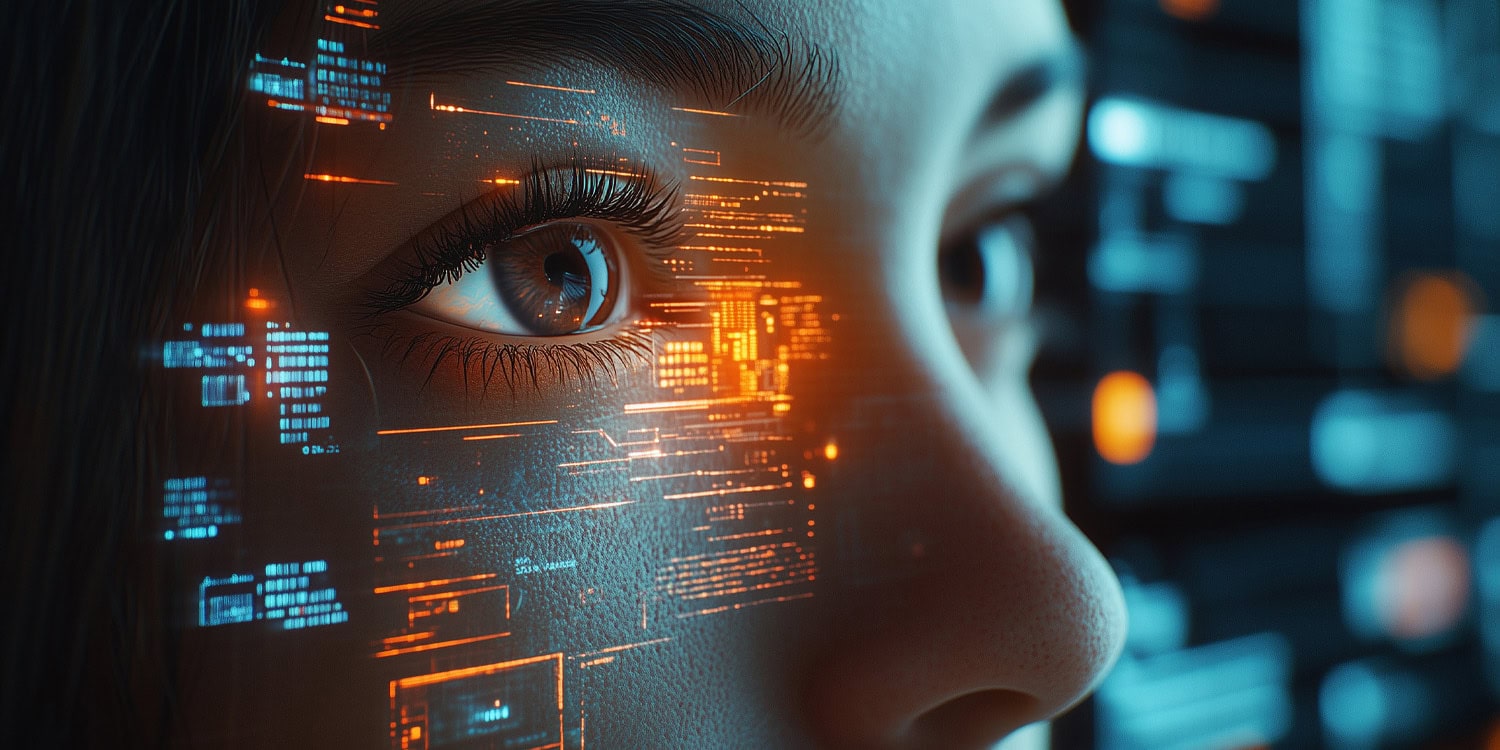
A cognitive bias study published in Computers in Human Behavior reveals that emotionally charged AI-generated images may encourage social media users to respond impulsively without thoroughly examining the authenticity of the images. With AI-generated images now easily and affordably created, they are being mass-produced for social media platforms.
Some images are paired with emotionally charged captions and spread via networks of automated accounts and content farms aimed at garnering attention, revenue or user interaction.
Images featuring vulnerable subjects like elderly people, neglected children or seemingly extraordinary achievements can evoke strong emotional responses such as sympathy, anger or admiration. These reactions can make users less likely to scrutinize the images closely. Márk Miskolczi, a researcher from Corvinus University of Budapest, analyzed Facebook posts from March to May 2025, focusing on AI-generated images and the resulting user comments.
From a sample of 146 AI-generated images and 8,922 user comments, Miskolczi selected 12 public Facebook pages regularly posting suspected AI-generated images. These pages covered themes such as nostalgia, rural life, elderly individuals, spirituality, everyday hardship and family relationships. Images were initially checked for artificial features using a manual eight-step process and an online AI detector to identify those with at least a 60% probability of being AI-generated.
After removing 160 incomplete or meaningless comments, 8,922 comments were analyzed. Five broad themes emerged in the comments: emotion and nostalgia, empathy and compassion, extraordinary achievements, birthdays and social problems, and religion and spirituality. The most frequent comment category was birthday wishes, making up 22.19% of the comments. Inspiring messages and encouragement accounted for 20.20% of the comments, while religious content made up 16.70%.
Many users reacted as if the images depicted real people or events, expressing sympathy, sharing memories, offering congratulations and posting religious blessings. The analysis suggests several cognitive biases may have contributed to this phenomenon. Confirmation bias may lead people to accept images that align with their existing beliefs, while anchoring can make the initial emotional response more influential than subsequent inspection.
Familiar themes may feel trustworthy, and large numbers of supportive comments may give the impression of social verification.
Specifically, images involving older people, nostalgic memories and apparent neglect often elicited strong emotional reactions. Content that provoked outrage could also encourage comments while diverting attention from visual inconsistencies. In contrast, images involving inter-ethnic conflict or neglected birthdays tended to attract skepticism or fewer interactions.
However, the study has limitations. It focused solely on public Facebook content, which might not reflect how users on other platforms engage with such images. The manual frameworks used to detect AI images and filter automated comments have not been externally validated. The researcher inferred cognitive biases from comment content rather than conducting direct, experiment-based measurements.
Moreover, the study cannot definitively determine how many users genuinely believed the images to be real, how many were engaging ironically, or whether the images altered users' views or behaviors. The paper, titled "The illusion of reality: How AI-generated images (AIGIs) are fooling social media users," was authored by Márk Miskolczi.
Written by urgent.news from PsyPost's reporting — not their text. Machine-written — may contain errors; check the original before relying on it.
This story
This is one outlet's version. Read the fullest account.
- ‘Attribution decay’ complicates the picture of AI-generated images, scientists find theartnewspaper.com
- EXPLAINER | Why a US court says private possession of AI-generated child abuse images cannot be prosecuted iol.co.za
- Man granted protection order against wife who sent AI-generated obscene images of him and his sister channelnewsasia.com
- SAPS sounds alarm over AI-generated police images itweb.co.za