Intel surpasses one million High-NA EUV wafers processed, outpaces the rest of the industry combined — company also trailblazing giant 6×12 photomasks to speed production and lower costs
Intel is leading the semiconductor industry with High-NA fleet and process-maturity milestone as it reaches 1 million wafers processed using High-NA tools, moves forward with 6×12 photomask effort.
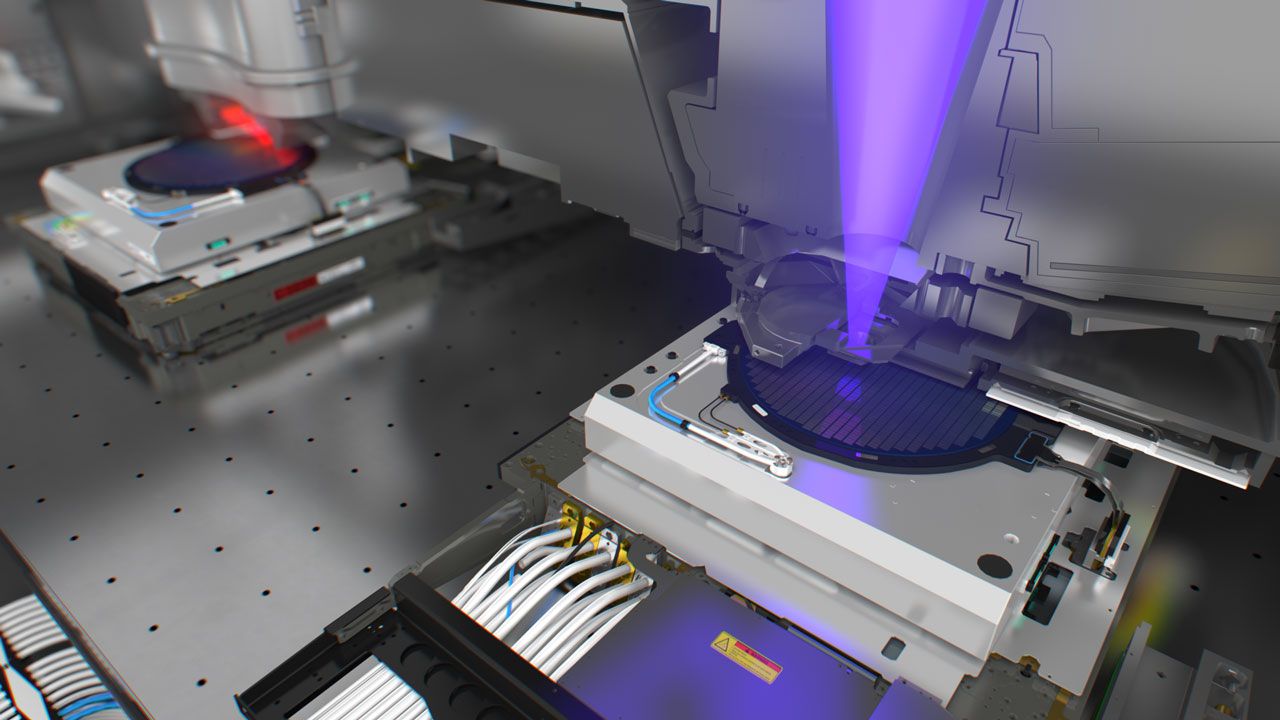
Intel has processed more than one million 300-mm wafers using its High-NA EUV scanners, according to a statement released on Monday. This milestone was achieved less than two and a half years after the initial tool was assembled, marking a significant increase in cumulative High-NA utilization. Currently, Intel processes around 30,000 wafers using its High-NA EUV tool, and the company aims to surpass the one-million-wafer mark by September 2026.
The milestone is particularly noteworthy as it surpasses the combined wafer processing of the entire rest of the industry. Intel plans to continue using industry-standard 6-inch photomasks for now, but the company is also working on larger 6×12-inch photomasks to speed up production and reduce costs. These larger photomasks would enable High-NA EUV scanners to expose full 26×33 mm fields without stitching, a process currently required for larger dies.
The transition to larger masks would necessitate substantial changes across the mask ecosystem, including mask blanks, deposition, etching, inspection, metrology, cleaning, pellicles, mask writers, and mask handling systems. Intel appears to be the main advocate for this change, potentially gaining a considerable first-mover advantage if the effort is successful.
Written by urgent.news from Tom's Hardware's reporting — not their text. Machine-written — may contain errors; check the original before relying on it.