In Gyirong Port, small items speak of the human cost of the China-Nepal disaster
“I do not want to stop [searching]. If I pause, I start thinking about my brothers and sisters and all the moments of my life here.” Gui Xinwei, deputy chief of the Gyirong Border Inspection Station, was speaking to Chinese state broadcaster CCTV from the ruins of his workplace, seven days after the devastating mudslide erased the port crossing where China and Nepal meet. “I just don’t want to…
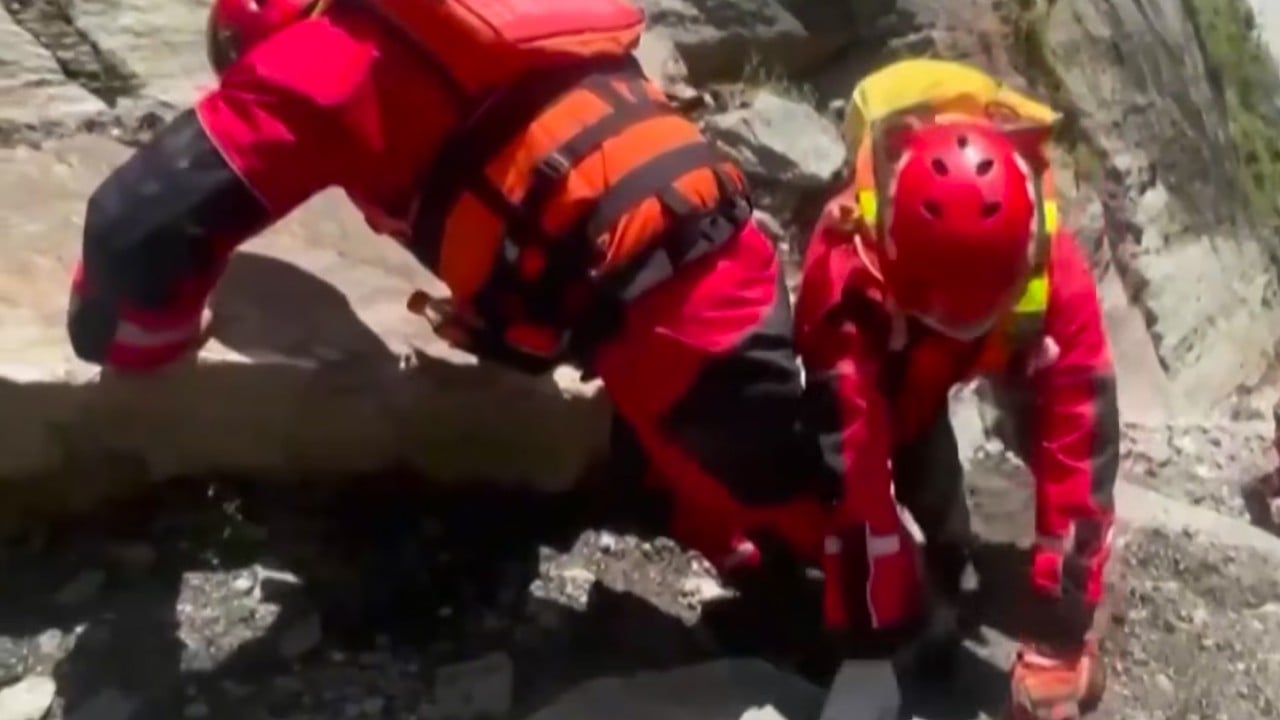
In the aftermath of a devastating mudslide triggered by a collapsing glacier in Nepal, the small items discovered at the site of the destroyed Gyirong Port crossing in China have come to symbolize the immense loss and human cost of the disaster. Deputy chief of the Gyirong Border Inspection Station, Gui Xinwei, expressed his determination to continue the search for survivors, saying he could not stop even if he wanted to.
He was away on holiday when the tragedy struck on August 26, likening the site to a "parallel universe or a nightmare" after finding the once familiar port building completely gone. Among the many items found were personal belongings like clothing, jewellery, cosmetics, charging cables, and phone cases, which Gui believes belonged to his colleagues who perished.
Firefighter Yang Qiqiao, one of the first rescuers to reach the site, described the extreme conditions they faced, including blocked roads, thick mud, falling rocks, torrential rain, and the looming risk of secondary flooding. Despite the daunting challenges, the rescuers continued their search, finding personal items and ID to help identify the missing.
Engineers and construction crews have been working around the clock to repair the damaged G216 road, which was buried by debris, blocking access to the port site. The repairs were finally completed on September 2, allowing heavy machinery to enter the site. As of Saturday, the death toll on the Chinese side had reached 43, with 519 people still missing, including 261 foreign nationals from 23 countries.
On the Nepali side, the death toll had risen to 1,355, with an additional 4,996 people still missing. Over 60 forensic experts were working to identify the victims, and more than 993 items had been recovered from the debris.
Written by urgent.news from South China Morning Post's reporting — not their text. Machine-written — may contain errors; check the original before relying on it.