Are nicotine pouches beyond the law? | Explained
Does COTPA cover nicotine pouches? Why are they not covered by the law banning vapes? Could nicotine pouches be treated as food under Indian law? Can they be legally imported into India? Can nicotine pouches be sold at duty-free shops?
A recent study conducted by the ICMR-National Institute of Cancer Prevention and Research has revealed that nicotine pouches are being distributed in Indian cities through online channels, hookah outlets, and delivery services. This follows a warning issued by the World Health Organization in May 2026 about the potential risks associated with these products.
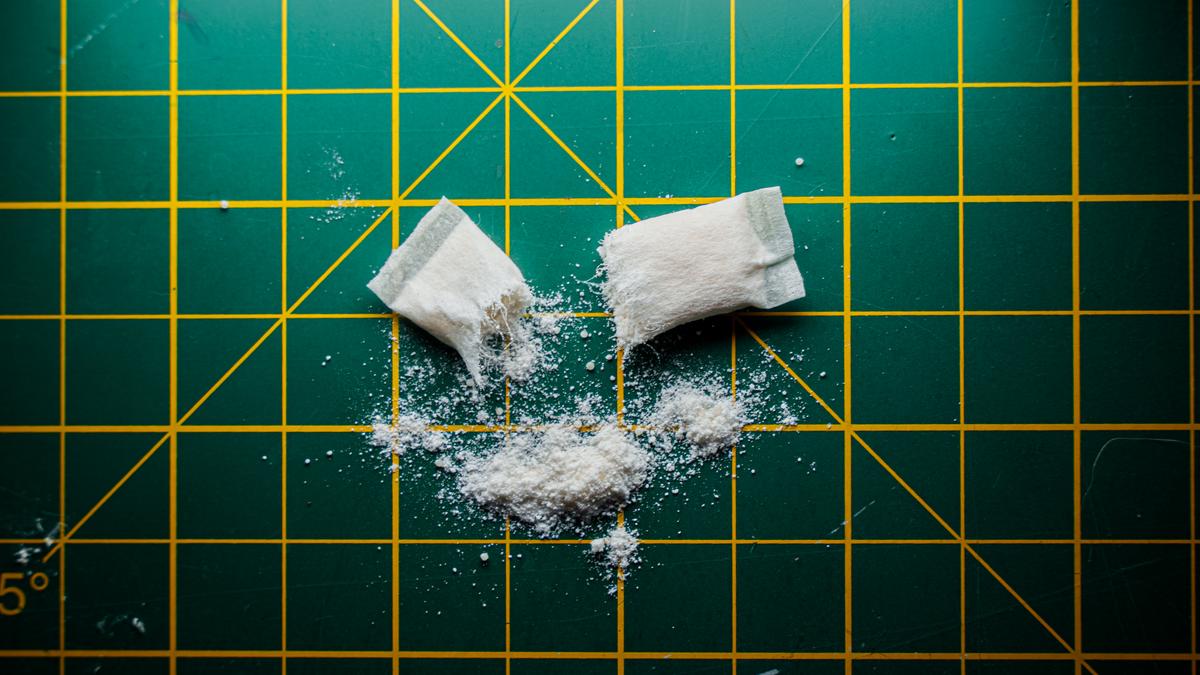
Despite this, the regulation of nicotine pouches in India remains unclear, as it is uncertain which existing law, if any, applies to them. A nicotine pouch is a tobacco-free pouch, resembling a tea bag, that contains nicotine, flavorings, and plant-based fibers. Users place the pouch between their lip and gum for up to an hour, allowing nicotine to be absorbed directly into the bloodstream without generating smoke, vapor, or residues.
Contrary to traditional smokeless tobacco products like snuff or chewing tobacco, nicotine pouches do not include tobacco leaf, dust, or stem. The nicotine in these pouches can be extracted from tobacco plants or synthesized in a laboratory. While the sale, advertisement, and use of cigarettes and other tobacco products are governed by the Cigarettes and Other Tobacco Products Act, 2003, the specific definition of cigarettes and tobacco products does not encompass all substances containing nicotine.
Consequently, nicotine pouches appear to fall outside the purview of this legislation. Additionally, the Drugs & Cosmetics Act, 1940, does not classify nicotine as a drug, and nicotine patches and gums have been approved as therapeutic drugs for treating nicotine addiction under the Drugs Act. Schedule K under the Drugs and Cosmetics Rules, 1945 lists certain nicotine products exempt from licensing and prescription requirements if they contain less than 2 mg of nicotine.
This exemption implies that nicotine pouches are not considered drugs by the Drugs Act. However, if nicotine pouches are not drugs, their import, manufacture, and sale in India would likely be unrestricted. The Prohibition of Electronic Cigarettes Act, 2019, has specifically banned the import and sale of vapes in India. If vapes are deemed drugs, the government would have sufficient authority to ban or regulate them under the Drugs Act or by refusing to issue licenses.
Therefore, the absence of explicit legislation banning nicotine pouches suggests that their import, manufacture, and sale are permissible in India. The Supreme Court relies on statutory definitions of food to determine whether nicotine pouches are drugs or not. According to these definitions, food encompasses any substance intended for human consumption, including processed, partially processed, or unprocessed items.
However, interpreting food broadly could potentially classify nicotine pouches as food products rather than drugs, thus avoiding regulatory restrictions. The government can restrict or prohibit goods from entering the country through the Foreign Trade (Development and Regulation) Act, 1992, and the Customs Act, 1962. These laws grant the Central government the power to control imports based on national security, health and safety, economic protection, environmental conservation, and law enforcement considerations.
By referencing the Harmonized System and updating its sub-categories, the government can now classify oral nicotine products such as tobacco-free single-use pouches as either free, restricted, or completely banned.
Written by urgent.news from The Hindu's reporting — not their text. Machine-written — may contain errors; check the original before relying on it.
Also reported by 1 other outlet
- Are nicotine pouches beyond the law? | Explained thehindu.com