SNU professor finds key to improving stability of LMR EV batteries
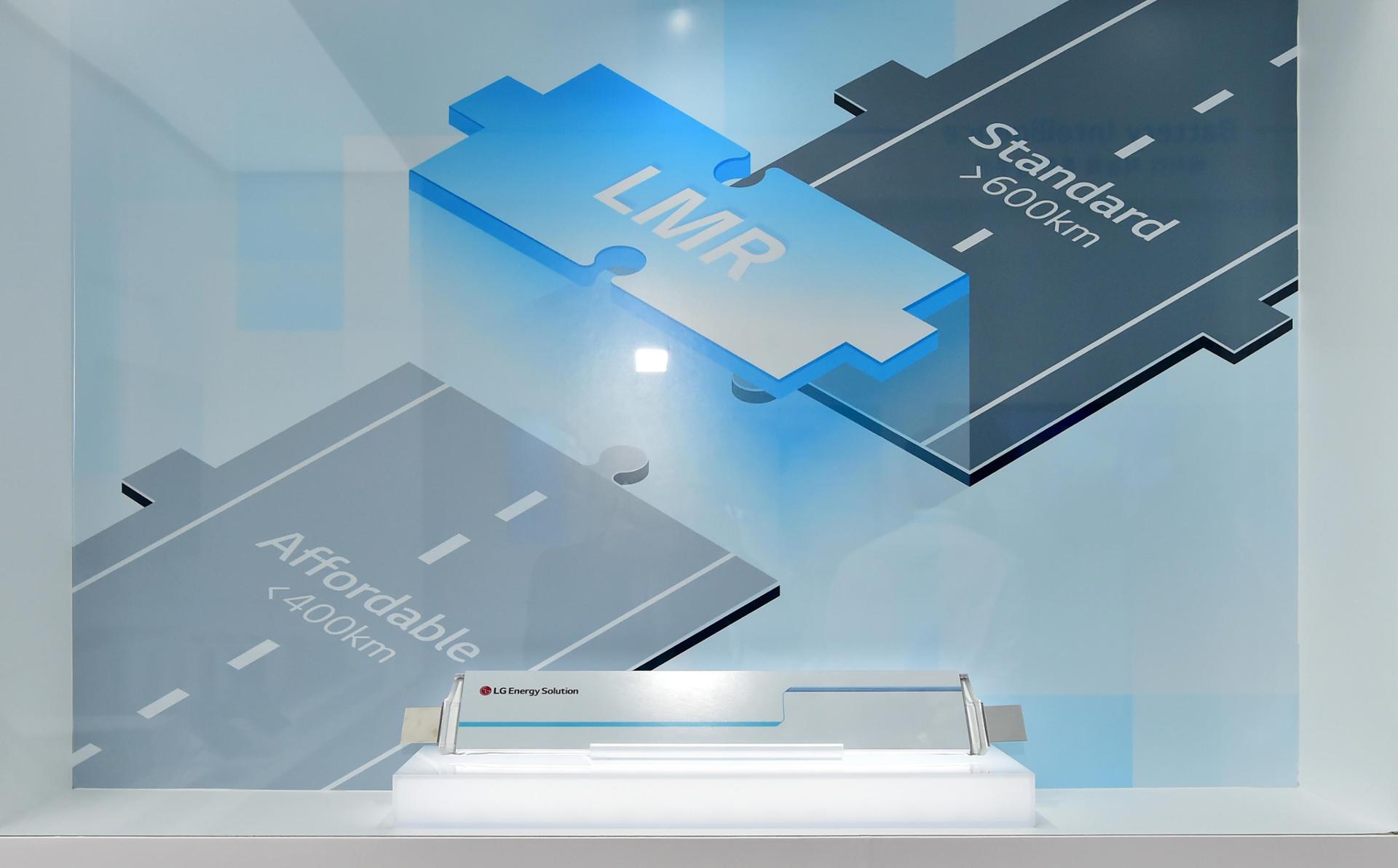
Seoul National University professor Lim Jong-woo, in collaboration with LG Energy Solution, has identified a key factor behind gas generation and capacity loss in lithium-manganese-rich (LMR) batteries, advancing efforts to apply the next-generation battery technology to large-format cells for electric vehicles (EVs). The chemistry professor’s research team and the battery maker found that…
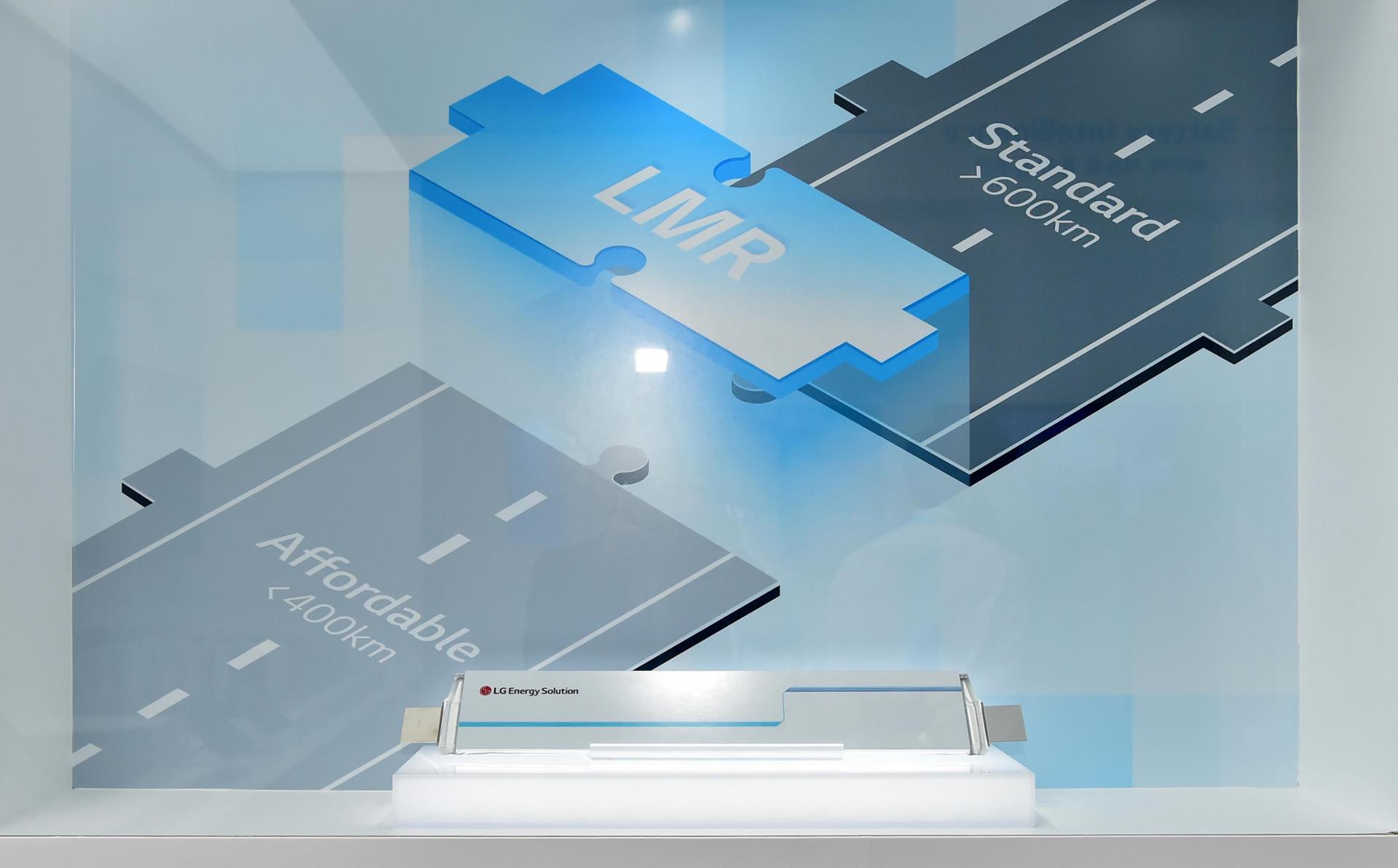
A Seoul National University professor, Lim Jong-woo, has discovered a crucial aspect that contributes to the stability of lithium-manganese-rich (LMR) batteries used in electric vehicles (EVs). Working alongside LG Energy Solution, his research team found that regulating oxygen reversibility during charging and discharging could enhance the long-term performance of large-format LMR battery cells.
LMR is a promising next-generation cathode material, as it utilizes abundant and low-cost manganese, offering high energy density through both oxygen and transition-metal redox reactions. However, the oxygen within the cathode may not always revert to its original chemical state when the battery undergoes numerous charge-discharge cycles. This can lead to internal structural degradation and gas buildup, particularly problematic for large-format EV cells with limited space to absorb the resulting pressure.
By examining oxygen redox behavior during the charging and discharging process, the research team uncovered a key factor that could potentially improve the stability of LMR batteries for EV applications.
Written by urgent.news from The Korea Times's reporting — not their text. Machine-written — may contain errors; check the original before relying on it.
This story
This is one outlet's version. Read the fullest account.
- SNU professor finds key to improving stability of LMR EV batteries koreatimes.co.kr