Hawking by Graham Farmelo review – the dark side of genius
A biography of the physicist recognises his achievements, but also reveals the selfish narcissist underneath When I wrote an unadoring review of Stephen Hawking’s final book, a collection of essays published posthumously in 2018, New Scientist suppressed some of my criticisms on the grounds that it was “too early” to voice anything other than praise for the physicist who died, aged 76, that…
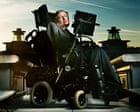
Stephen Hawking, the renowned physicist, has been the subject of a new biography that delves into both his remarkable achievements and his less savory qualities. Written by veteran science journalist Graham Farmelo, the book offers a comprehensive and accessible portrait of the brilliant yet complex man. While Farmelo acknowledges Hawking's groundbreaking contributions to the field, he also sheds light on the selfish narcissist that lurked beneath his persona.
The biography was initially met with controversy when New Scientist, where the author had previously written a scathing review of Hawking's final book, chose to suppress some of the criticisms on the grounds that it was "too early" to voice anything other than praise for the physicist who had passed away at the age of 76 in March 2018. Even in 2021, when Charles Seife published an exposé detailing Hawking's bullying and self-aggrandizing behavior, British publishers showed reluctance to touch the subject.
Farmelo's approach is markedly different. He presents a comprehensive and accessible portrait of Hawking, who was undoubtedly a brilliant scientist and an exceptionally determined individual. However, the author also makes it clear that Hawking possessed deep personal flaws that the scientific community and the public largely chose to overlook due to his disability.
The uncomfortable truth that emerges from the biography is that Hawking's overweening ambition and self-promotion, his repeated failure to acknowledge the work of others, his sexist behavior, and his controlling tendencies were largely ignored precisely because of his physical disability.
The author suggests that it will take years for the scientific community and the public to fully process and come to terms with these uncomfortable truths.
Written by urgent.news from Guardian Science's reporting — not their text. Machine-written — may contain errors; check the original before relying on it.