Mirror donated by spies, Red Fort-sized photos: Why Nasa's new telescope is special
NASA has successfully launched the Nancy Grace Roman telescope, a cutting-edge space observatory equipped with mirrors provided by the National Reconnaissance Office. Unlike Hubble, which observed a limited portion of the sky for three decades, Roman will cover fifty times more area. Its sophisticated camera will produce sweeping panoramic images, aiming to transform the landscape of astronomical…
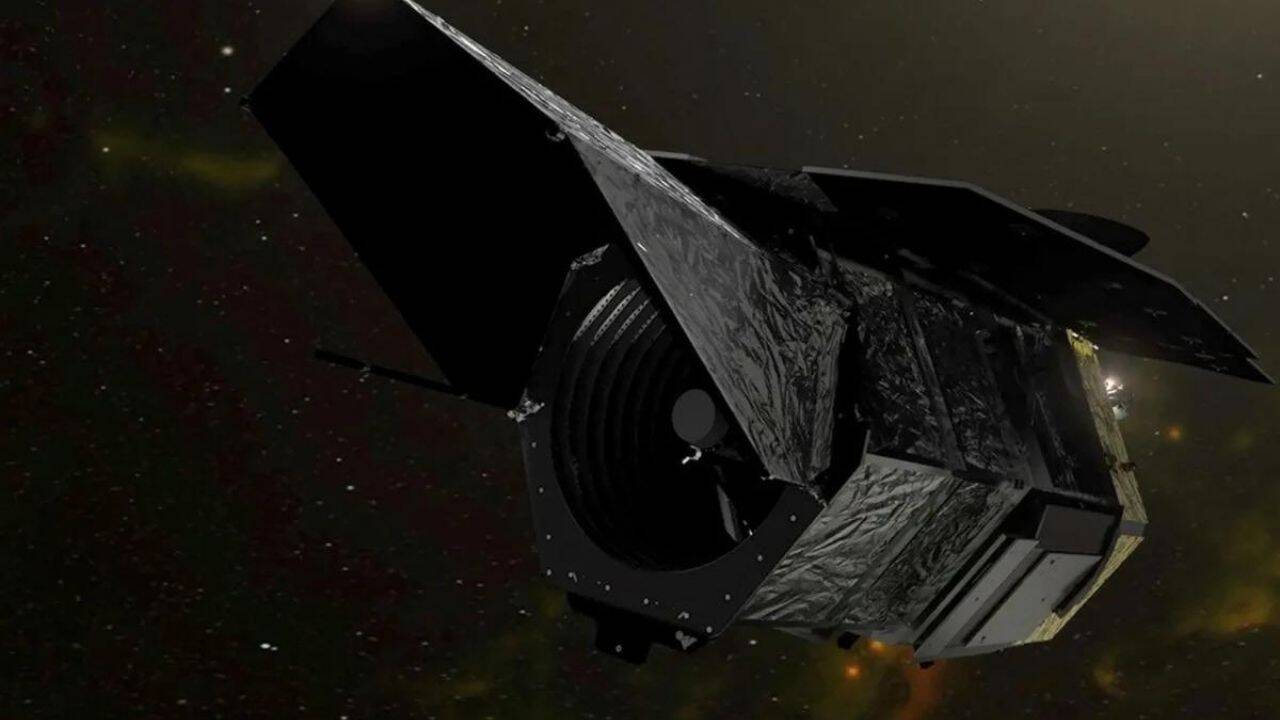
On July 26, Katalyst Space Technologies' Link spacecraft made an attempt to rescue NASA's Swift Observatory by getting within 15 kilometers (nine miles) of the telescope. However, due to low fuel, the rescue mission was ultimately unsuccessful. Katalyst CEO Ghonhee Lee acknowledged the spacecraft's proximity to Swift but emphasized that they were "so far" from the goal.
The rescue operation had already been called off in August due to Link's own fuel issues, but the company pursued the mission for future satellite service calls. Despite the failed rescue, Link continued to collect valuable data on Swift and its deteriorating orbit. Katalyst is now developing a new spacecraft that could potentially extend the life of the aging Hubble Space Telescope.
Written by urgent.news from Phys.org's reporting — not their text. Machine-written — may contain errors; check the original before relying on it.
This story
This is one outlet's version. Read the fullest account.
- Rescue satellite gets close to NASA's doomed telescope, even if it can't save it phys.org
- Quiz of the week: how much data will NASA’s Nancy Grace Roman Telescope produce each day? physicsworld.com
- Rescue satellite gets close to NASA's doomed telescope, even if it can't save it abcnews.com
- Rescue satellite gets close to NASA’s doomed telescope, even if it can’t save it winnipegfreepress.com