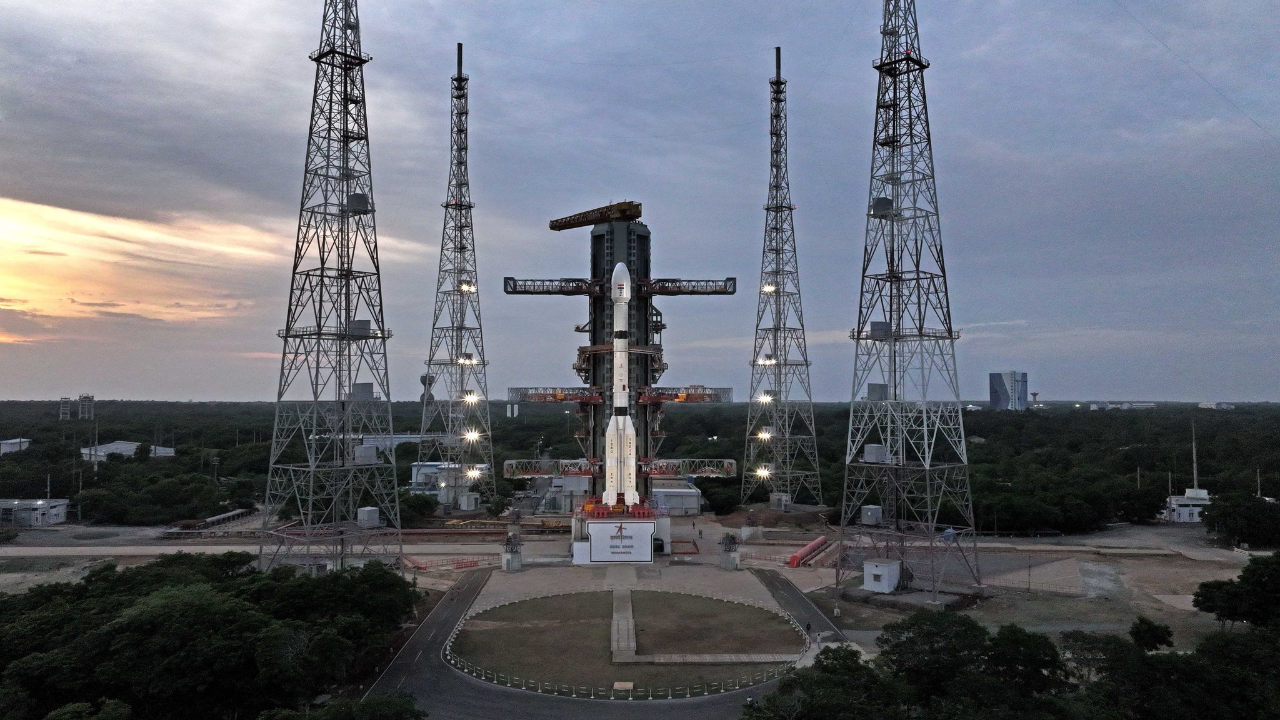
The rocket problem India cannot launch away
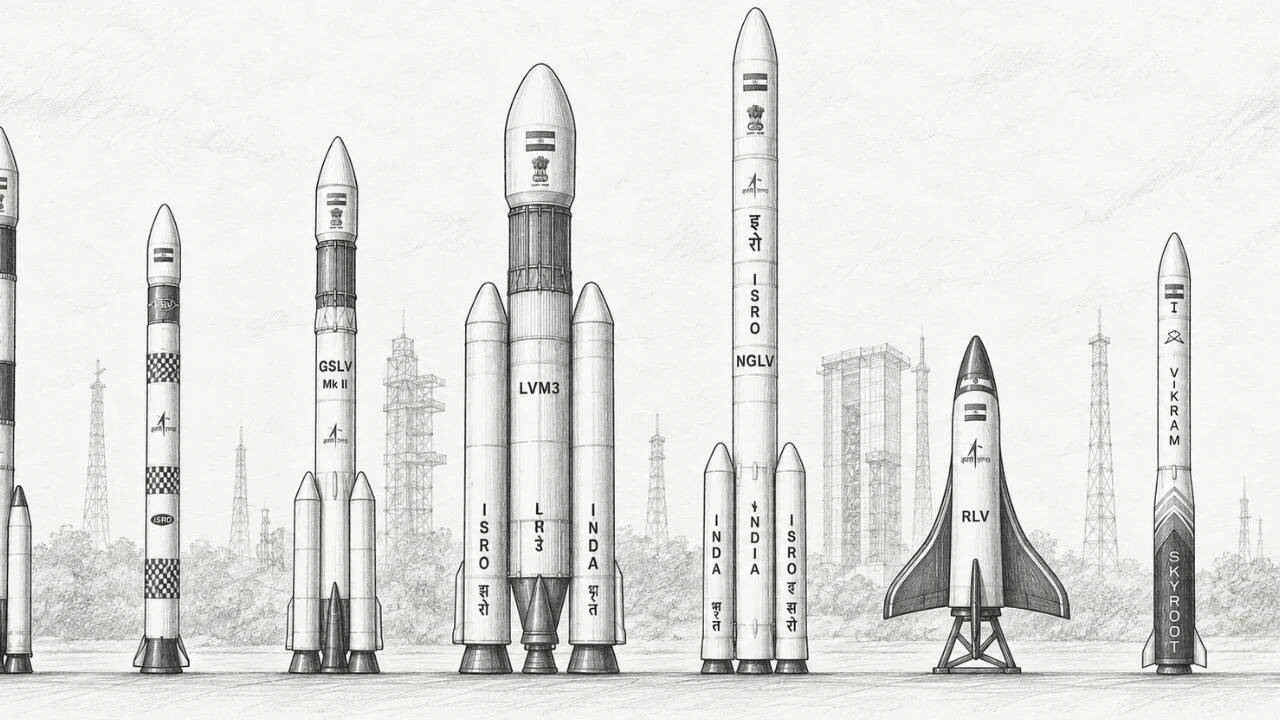
India now boasts a diverse array of rockets for its launch program, despite recent setbacks. The PSLV remains the workhorse, the GSLV-Mk2 provides heavier lift, and LVM-3 expands reach for even more demanding missions. The SSLV targets quicker, smaller satellite launches. Upgrades, reusable technologies, and the NGLV are on the horizon.
Private companies are stepping up, with Skyroot Aerospace launching Vikram-1, becoming the first Indian private firm to reach orbit. Agnikul is developing its own orbital vehicle and propulsion system. Competition is growing in the launch arena.
While India undeniably possesses rocket capabilities, the real question is whether it can sustain enough launches. New rockets offer little benefit if they don't increase launch frequency or handle larger payloads. Production, launch pads, and infrastructure must grow alongside new vehicles. Moreover, if one vehicle fails, a reliance on a limited number of launch sites and technologies can pose significant risks.
India's space ambitions are expanding rapidly, encompassing Chandrayaan-4, human spaceflight, the Bharatiya Antariksh Station, large Earth observation and communication satellites, navigation systems, and strategic spacecraft. These missions demand medium- or heavy-lift rockets, not just small ones. The current rate of about five orbital launches per year may not meet the demands of these ambitious programs through 2030.
Commercial customers also seek reliable access across various payload classes. While the PSLV has established India as a dependable and cost-effective launch provider, commercial needs are diverse. India must offer ample launch opportunities and accommodate a wide range of payload sizes to attract and retain commercial customers.
The emergence of private launch vehicles presents both challenges and opportunities. While Skyroot's Vikram-1, although modest in capacity, demonstrates progress, it falls within the same small-lift category as India's SSLV. Larger missions like Chandrayaan-4 and satellite systems will require heavier rockets. India's broader launch ecosystem could benefit from private sector involvement, but it must extend beyond small rockets to meet the needs of medium- and heavy-lift missions.
The government cannot simply acknowledge the private sector's presence and step back from its role in the launch business.
Written by urgent.news from Times of India's reporting — not their text. Machine-written — may contain errors; check the original before relying on it.