India's eye in the sky that never blinks: Inside GISAT-1A
India has launched GISAT-1A, its advanced Geo-Imaging Satellite, into geosynchronous orbit. This satellite provides continuous, real-time coverage of the Indian subcontinent. GISAT-1A will aid disaster management and agricultural monitoring efforts. India is also developing a robust military space architecture with private industry involvement. This expansion enhances national security and…
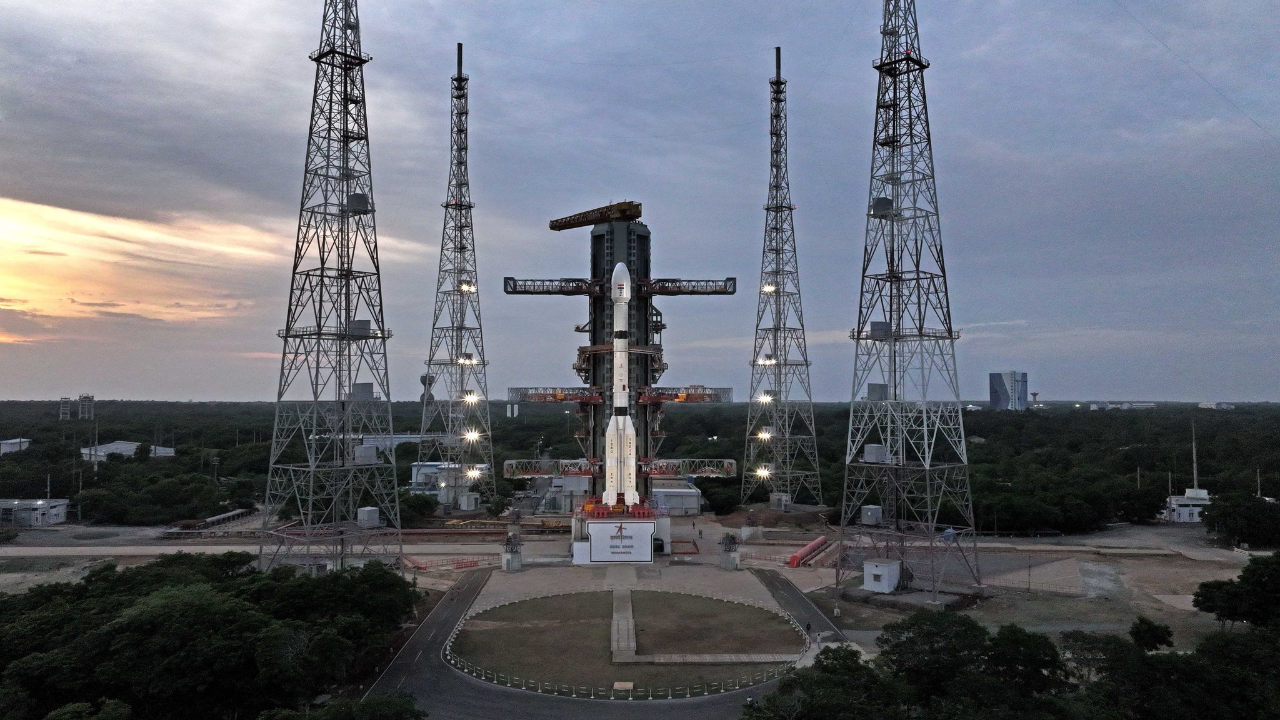
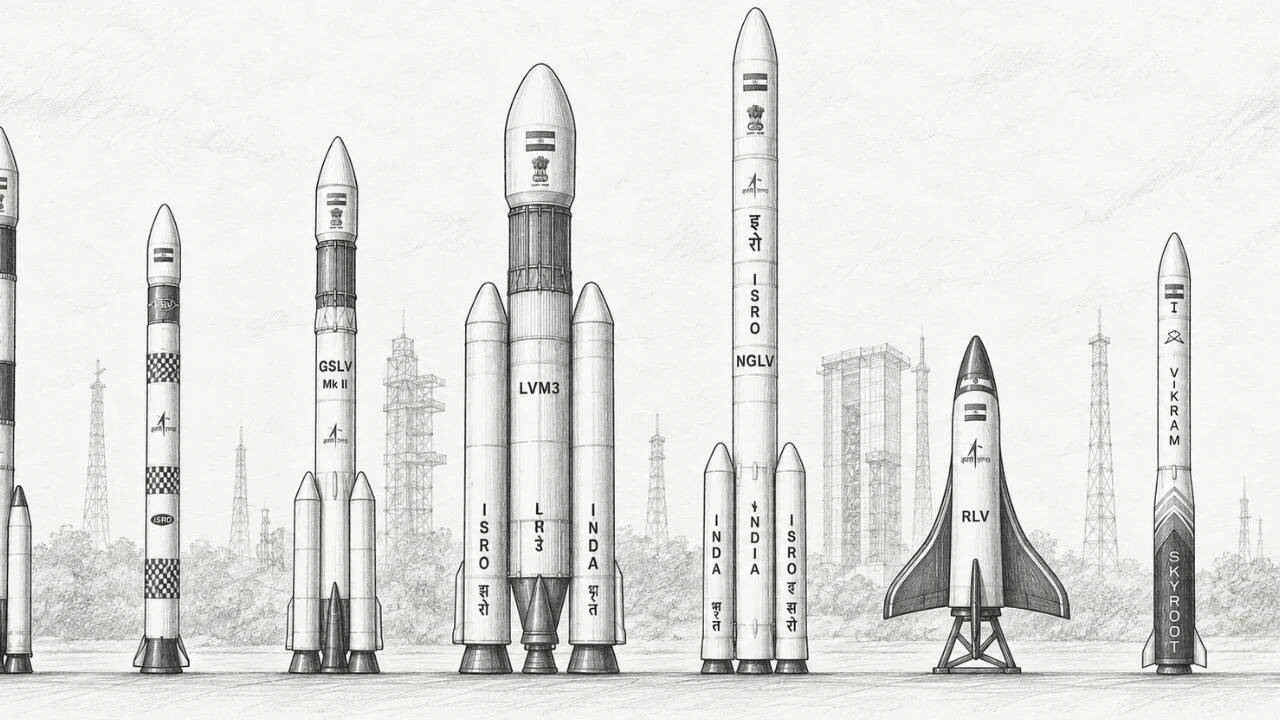
India has successfully launched GISAT-1A, a Geo-Imaging Satellite, into orbit aboard a Geosynchronous Satellite Launch Vehicle (GSLV) Mk II from the Satish Dhawan Space Centre in Sriharikota. This marks a redemption story for India's Space Research Organisation (Isro), as the original GISAT-1 (EOS-03) launched in August 2021 failed to reach its intended orbit.
GISAT-1A's unique positioning in a geosynchronous orbit allows it to continuously monitor the Indian subcontinent, providing near-constant, real-time coverage of the region. By operating using multi-spectral and hyperspectral imaging, the satellite can capture data across a wide range of wavelength bands, enabling scientists to analyze soil moisture, vegetation health, water bodies, mineral deposits, and thermal signatures of wildfires with greater precision than standard optical images.
GISAT-1A enhances India's Intelligence, Surveillance, and Reconnaissance grid by offering continuous, persistent surveillance, complementing high-resolution low Earth orbit satellites. The satellite's applications span disaster management, agriculture, oceanography, mineral exploration, urban planning, and border and coastline security surveillance.
India's remote sensing journey began in 1988 with the launch of IRS-1A, which laid the foundation for the country's satellite imagery capabilities. Over the years, Isro has launched a series of Indian Remote Sensing satellites, including the RISAT series with radar imaging capabilities, resulting in a robust space-based surveillance infrastructure essential for various national security and economic applications.
Written by urgent.news from Times of India's reporting — not their text. Machine-written — may contain errors; check the original before relying on it.