China’s memories of Mao fade to nostalgia 50 years after his death
Nostalgia for Mao Zedong's egalitarian ideals is growing in China as memories of his turbulent rule fade amid economic slowdown and rising inequality.
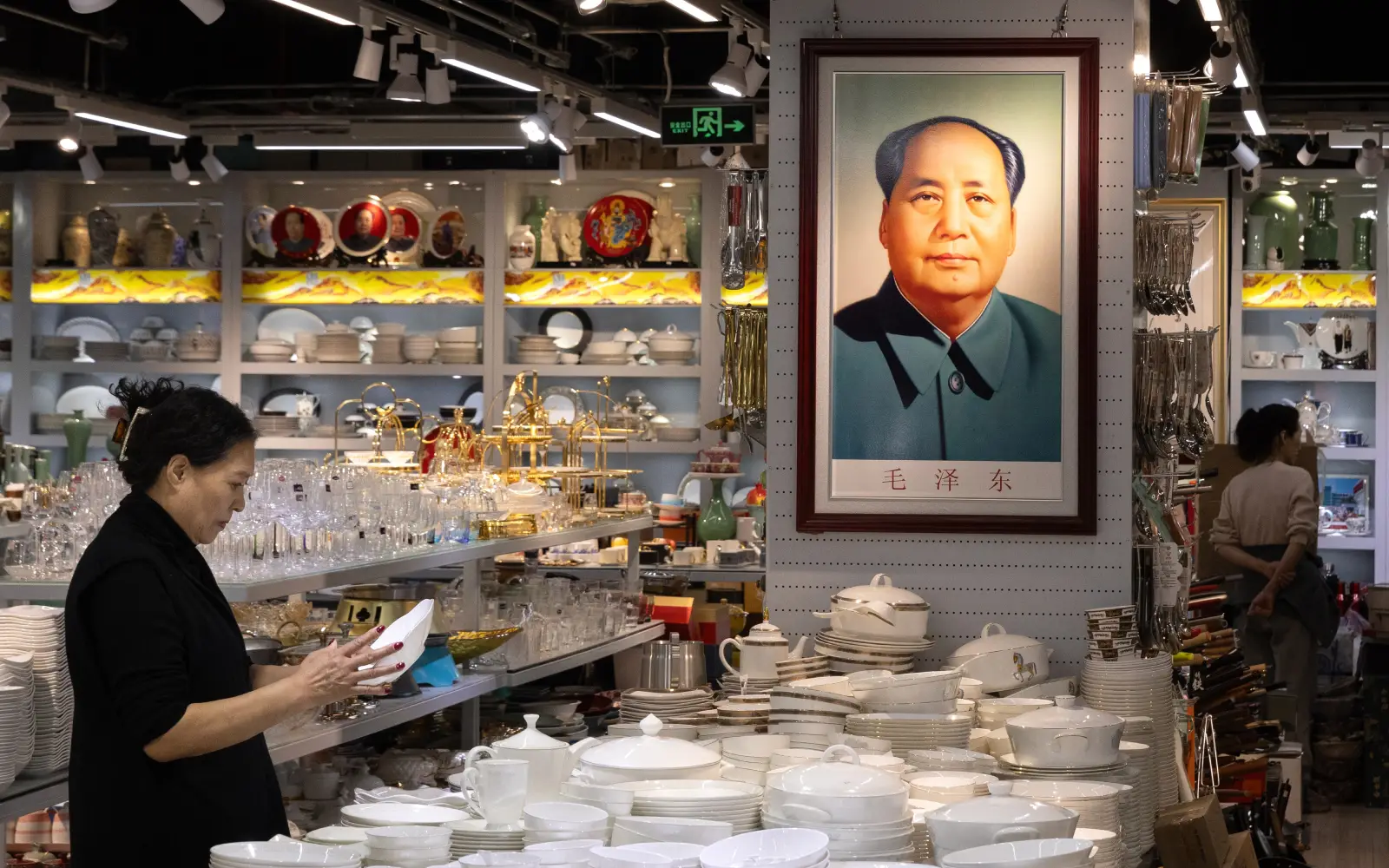
Nearly half a century after his passing, former Chinese Communist Party chairman Mao Zedong still looms large in the memory of residents in Nanjie, a village in central Henan province. Often dubbed "China's last Maoist village," Nanjie still reveres Mao's egalitarian ideals, despite acknowledging the devastating consequences of his policies, such as the Great Famine which claimed an estimated 15-43 million lives.
University student Xie Kaiyue expresses her continued reverence for Mao, stating that the village's residents of the past were "purer" and had greater ideals. Meanwhile, in Shanxi province's Dazhai village, once elevated by Mao as a national model, tourists reminisce about an era when Mao dominated political and social life. Despite the sanitised history, there is a growing sense that the Cultural Revolution was a time of idealism, where society was driven by ideals and not by material pursuits.
Current leader Xi Jinping warns against "historical nihilism," but the sanitised history has left space for romanticised interpretations among the younger generation, who are frustrated by long working hours and intense competition in education and the job market.
Written by urgent.news from Free Malaysia Today's reporting — not their text. Machine-written — may contain errors; check the original before relying on it.
This story
This is one outlet's version. Read the fullest account.
- China’s memories of Mao fade to nostalgia 50 years after his death hongkongfp.com
- China’s memories of Mao fade to nostalgia 50 years after his death japantimes.co.jp
- China’s memories of Mao fade to nostalgia 50 years after his death freemalaysiatoday.com