Scientists map the brain pathway that links social isolation to increased alcohol consumption
Researchers have identified a specific brain circuit that drives increased alcohol intake following social isolation. The findings provide a biological mechanism for how a negative social environment changes what the brain treats as a valuable reward.
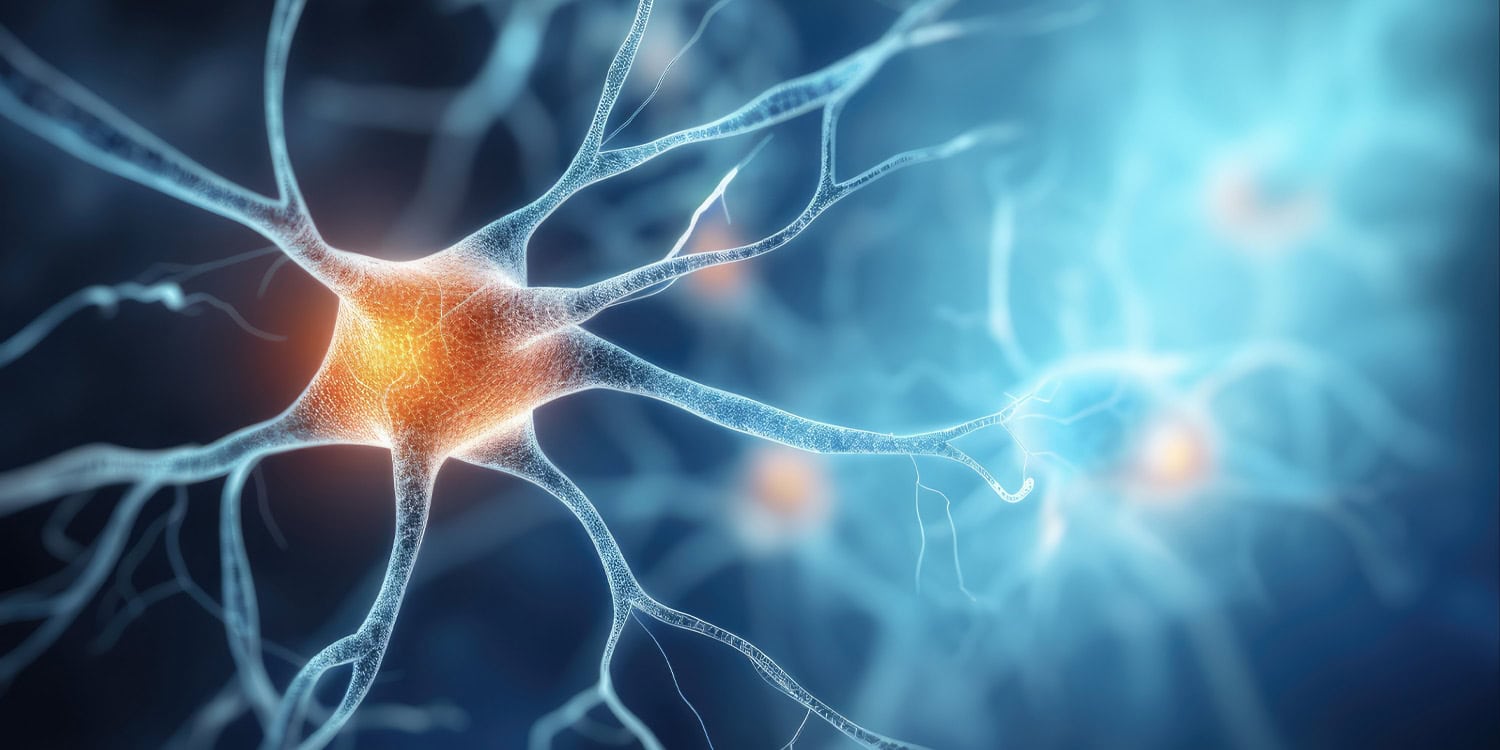
A study in mice reveals that social isolation can lead to increased alcohol consumption through a specific neural pathway in the brain, with differing effects on males and females. The research, published in Nature Neuroscience, highlights the basolateral amygdala and the medial prefrontal cortex as key regions involved in this process.
Researchers observed opposite effects of isolation on drinking behavior between male and female mice, with males increasing their alcohol intake and females drinking less. The study further indicates that social rank within the group also affects alcohol consumption, with subordinate mice drinking more regardless of isolation status.
The strengthened communication between the amygdala and prefrontal cortex in males is linked to their increased alcohol intake during isolation. Using advanced imaging techniques, the team found that this pathway influences the brain's reward system, making alcohol more appealing and diminishing the appeal of natural rewards like sugar water.
Inhibiting this pathway in socially isolated male mice reduced their alcohol intake, providing further evidence of the pathway's role in this behavior.
Written by urgent.news from PsyPost's reporting — not their text. Machine-written — may contain errors; check the original before relying on it.