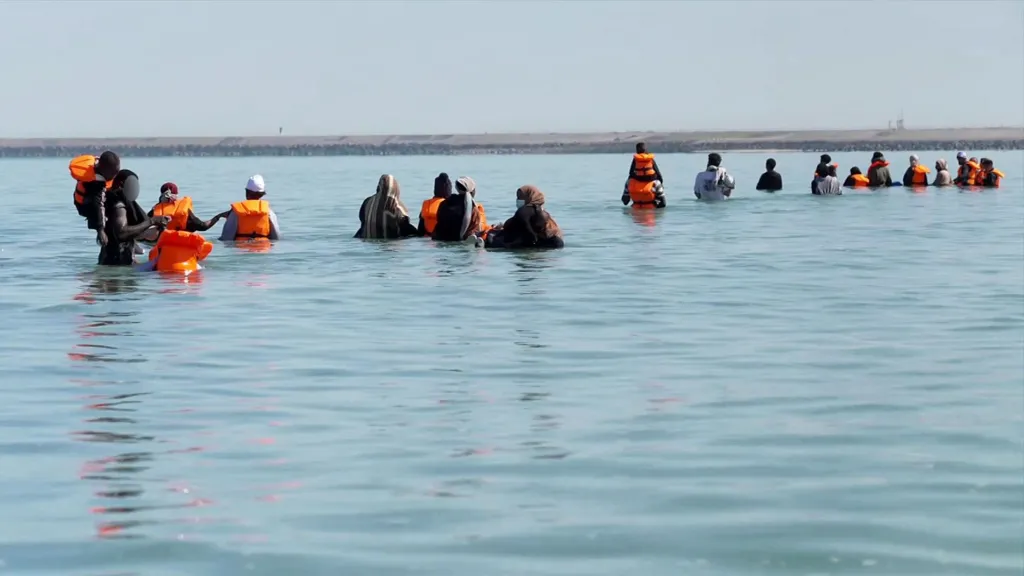
UN warns of ‘supersized’ El Niño as countries prepare for impact
The world has entered a "danger zone of extreme weather" as the impacts of El Niño start to be felt globally, UN head António Guterres has warned.
The United Nations warns that the world is entering a "danger zone of extreme weather" due to the escalating impacts of El Niño. The World Meteorological Organization (WMO) has released data indicating this El Niño could be the strongest in over 70 years and last until at least February 2027. El Niño alters weather patterns globally, causing drought in some areas and more intense typhoons and flooding in others.
The phenomenon is already pushing temperatures in certain regions higher, exacerbating global heat from human-induced climate change. António Guterres, UN chief, underscored the unprecedented nature of this event, stating that the planet is entering uncharted waters with rising temperatures. Early warning systems and pre-emptive medical assistance deployments have been bolstered, yet the strength of this El Niño has raised serious concerns, particularly for vulnerable populations.
Celeste Saulo, WMO Secretary-General, warned that El Niño poses a significant threat to communities and economies worldwide. El Niño is a natural weather phenomenon in the Pacific Ocean involving a change in wind patterns that allows warm water to spread eastward, releasing heat into the atmosphere. Sea temperatures in the central and eastern tropical Pacific have risen sharply, signaling a strengthening El Niño.
The Pacific monitoring region's surface temperatures have been well above average, potentially reaching 4C above average and making it the strongest El Niño since at least 1950. However, forecasts suggest temperatures could exceed this mark. Below the surface, sea temperatures in the Pacific are also exceptionally high, reaching more than 8C above average in some areas.
This heightened ocean heat is of particular concern for Australia, which has faced numerous marine heatwaves driven by climate change, leading to coral bleaching and algae blooms. El Niño is expected to bring similar extreme heat, posing a serious risk to Australia's marine ecosystems. While some regions, like the Great Barrier Reef, may escape the worst of the conditions, southern Australia is bracing for severe impacts.
Australia has implemented early warning systems for marine crises, but the intensity of the upcoming El Niño has left Dr Alistair Hobday, chief researcher at Australia's science agency, quite worried. Rainfall patterns are anticipated to change significantly over the next few months, with drier-than-usual conditions forecast across South East Asia, Central America, and northern South America, increasing the risk of droughts and wildfires.
Panama Canal's vessel traffic will be reduced by more than 10% due to lower rainfall, a critical trade route for the country and a major source of income. Indonesia is grappling with wildfires affecting over 107,000 hectares of land this dry season, with authorities deploying cloud-seeding aircraft to trigger rains and promising resources to contain the fires.
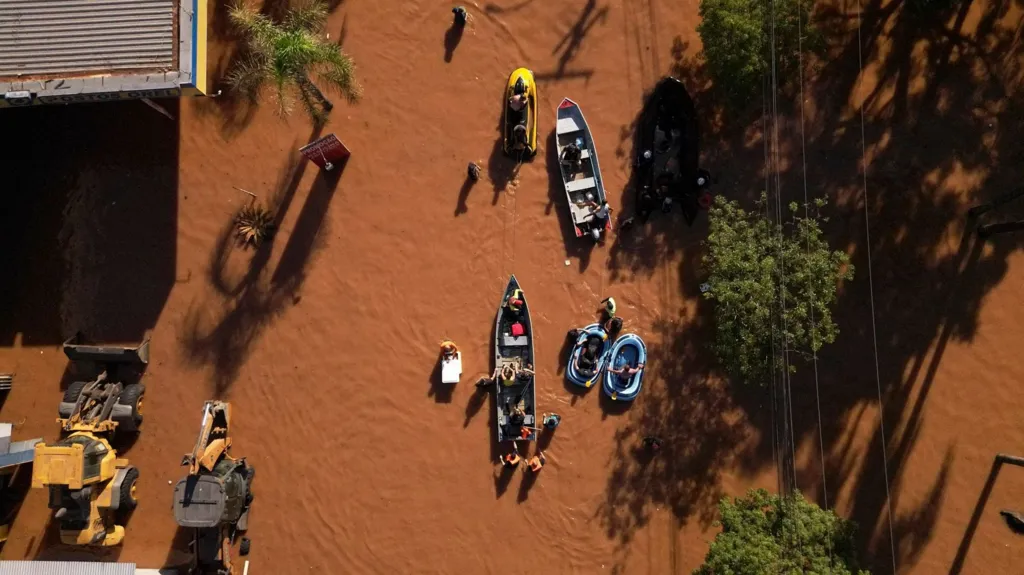
Typhoons are expected to make landfall in China in record numbers this year, with the country facing three typhoons already in July, leaving dozens dead and causing heavy rains and strong winds. Wetter-than-average weather is also forecast for eastern Africa, southern Brazil, and southern US, raising the chances of flooding. The WMO's secretary general emphasized that droughts and floods have already caused disruption and devastation, and these impacts are expected to intensify as El Niño strengthens.
Written by urgent.news from MyJoyOnline Ghana's reporting — not their text. Machine-written — may contain errors; check the original before relying on it.