UN warns of ‘supersized’ El Niño as countries prepare for impact
The world has entered a “danger zone of extreme weather” as the impacts of El Niño start to be felt globally, UN head António Guterres has warned. The World Meteorological…
The United Nations has issued a stark warning about an impending "supersized" El Niño event, which could cause extreme weather conditions around the globe. António Guterres, the UN Secretary-General, stated that this weather phenomenon could be the strongest in over 70 years and may endure until February 2027. El Niño influences global weather patterns, bringing drought to some regions while causing stronger typhoons and flooding in others.
The phenomenon also contributes to heightened temperatures, compounding the effects of human-induced climate change.
UN agencies and scientists are working together to enhance early warning systems and provide preemptive medical assistance, but they express deep concern given the anticipated severity of this El Niño event, particularly for vulnerable populations. The World Meteorological Organization (WMO) has intensified its efforts to disseminate forecasts of potential extreme weather events associated with El Niño to communities worldwide.
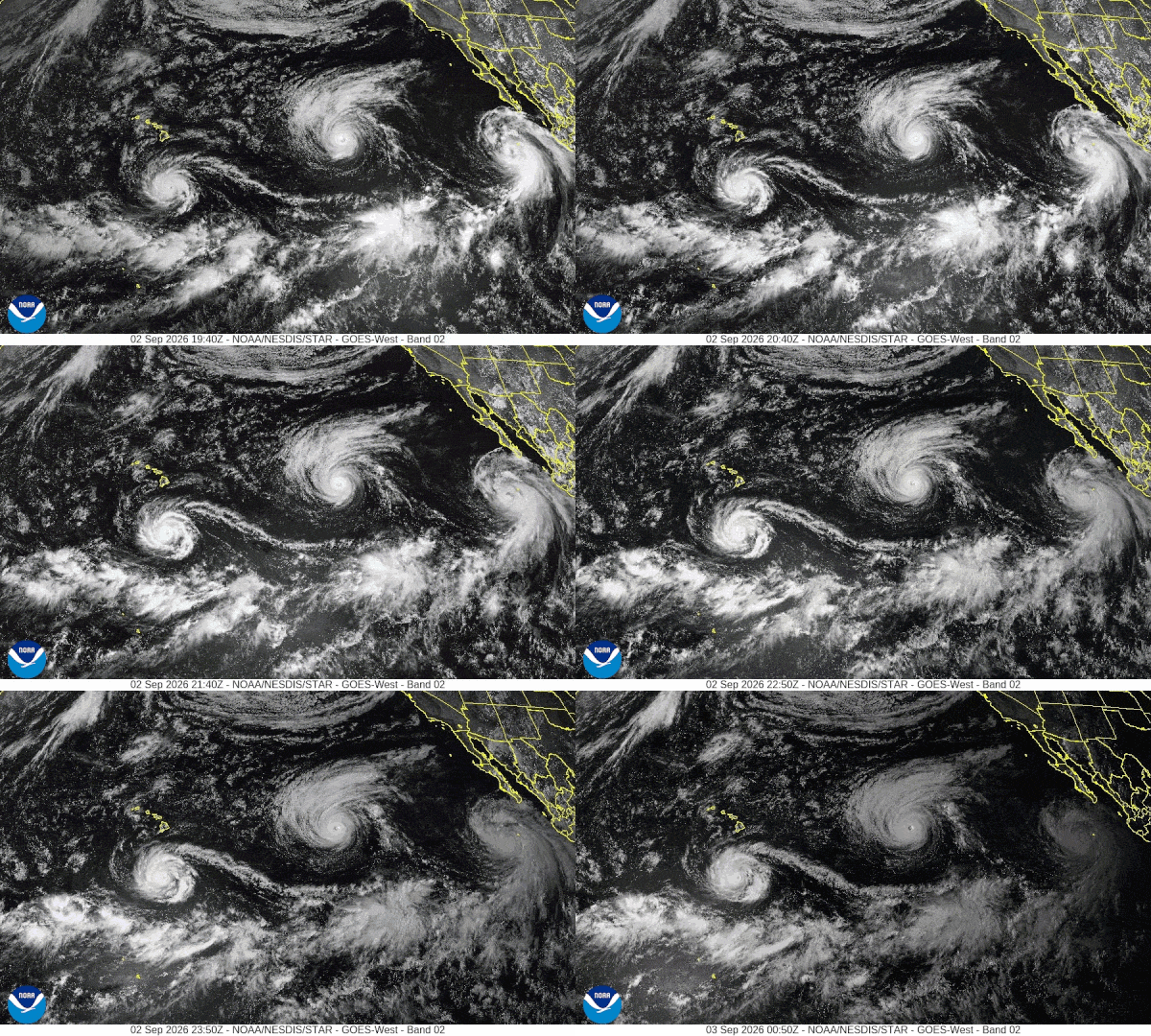
Sea surface temperatures in the Pacific Ocean have surged dramatically, signaling a strengthening El Niño. Forecasts suggest that surface temperatures could reach up to 4C above average, potentially making this the strongest El Niño since at least 1950. These elevated temperatures are expected to impact not only the Pacific but also other regions, including the Indian Ocean, tropical Atlantic, and parts of the Australian coast.
Australia, already grappling with the effects of climate change-induced marine heatwaves, faces additional risks from this El Niño. Authorities have strengthened early warning systems to help mitigate the impacts, but the scale of this event has raised significant alarm. Dr. Alistair Hobday, a chief researcher at Australia’s science agency, warned of the unprecedented intensity of the coming marine heatwaves in Southern Australia, which could lead to widespread coral bleaching, algae blooms, and other ecological disasters.
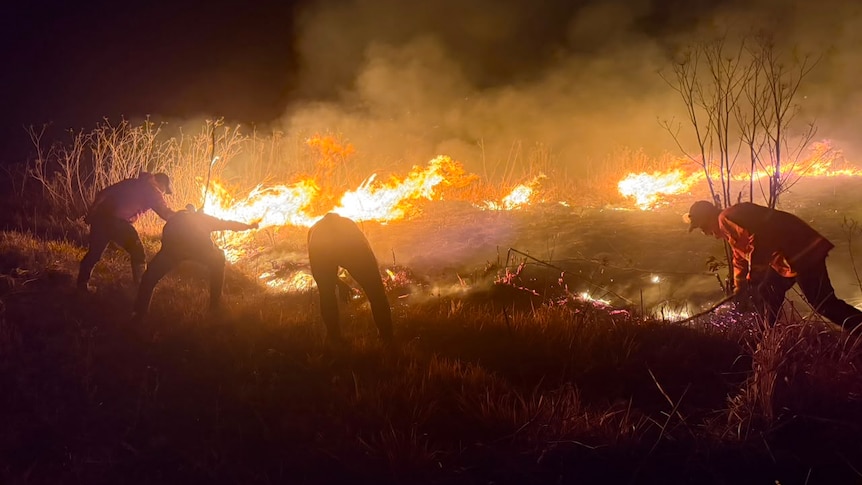
Countries in South East Asia and Central America are bracing for drier-than-average conditions, which could exacerbate the risk of droughts and wildfires. Indonesia, for instance, is battling a prolonged wildfire season, with authorities deploying cloud-seeding aircraft and promising additional resources to control the blazes. Meanwhile, China anticipates seven typhoons this year, with the country’s experts attributing this increased activity to the effects of a super El Niño event.
In contrast, wetter-than-average weather is expected in parts of eastern Africa, southern Brazil, and the southern United States, raising the likelihood of severe flooding. These diverse impacts are occurring amid the backdrop of ongoing human-induced climate change, heightening concerns about the overall scale and duration of the resulting environmental and socio-economic damage.
Written by urgent.news from Capital FM Kenya's reporting — not their text. Machine-written — may contain errors; check the original before relying on it.
This story
This is one outlet's version. Read the fullest account.