UN warns of ‘supersized’ El Nino as countries prepare for impact
The world has entered a “danger zone of extreme weather” as the impacts of El Niño start to be felt globally, UN head António Guterres has warned. The World Meteorological Organization (WMO) has released the latest data on the natural weather phenomenon showing it could be the strongest for more than 70 years and last [...] The post UN warns of ‘supersized’ El Nino as countries prepare for impact…
The United Nations has issued a stark warning about an impending "supersized" El Niño event, predicting it could be the strongest in over seven decades. This natural weather phenomenon, linked to changes in wind patterns, could bring extreme weather conditions worldwide, with some regions facing drought while others suffer stronger typhoons and flooding. WMO Secretary-General Celeste Saulo emphasized the potential for El Niño to cause "massive blows" to communities and economies globally.
El Niño alters weather patterns, pushing certain areas into droughts and others towards stronger storms. The WMO has strengthened global early warning systems and pre-emptive medical assistance, but the severity of this event has raised serious concerns, particularly for vulnerable populations. Recent sea surface temperatures in the central and eastern tropical Pacific have risen sharply, indicating a strengthening El Niño.
The phenomenon is expected to last until at least February 2027, with monthly sea surface temperatures potentially reaching 4C above average, potentially surpassing the 1950 benchmark. This would make it the strongest El Niño since at least 1950, by a significant margin. Below the surface, temperatures could be as much as 8C above average in certain areas, particularly in the Indian Ocean, tropical Atlantic, and around parts of the Australian coast.
Australia, already grappling with marine heatwaves driven by climate change, is particularly concerned about the impact of El Niño. While the Great Barrier Reef is anticipated to be spared the worst conditions, southern Australia is bracing for severe impacts, including starving penguins, fish kills, algae outbreaks, and jellyfish invasions.
Australia has implemented early warning systems for marine crises, aiding in financial relief, species relocation, and coral monitoring. However, the unprecedented strength of this El Niño has left scientists worried.
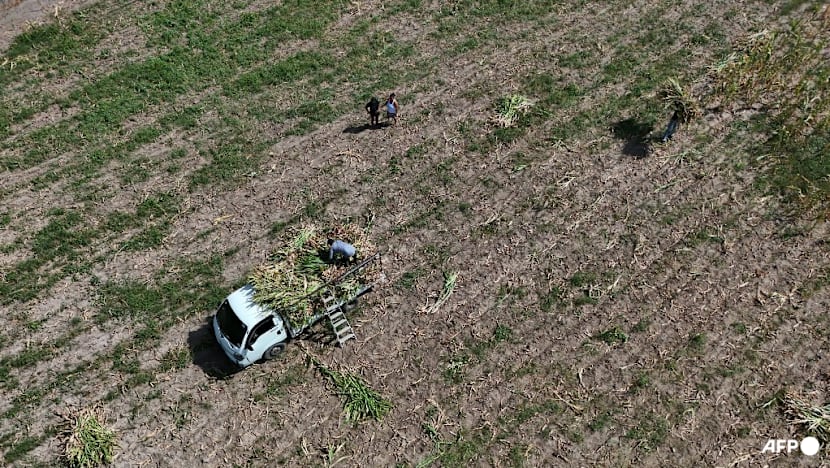
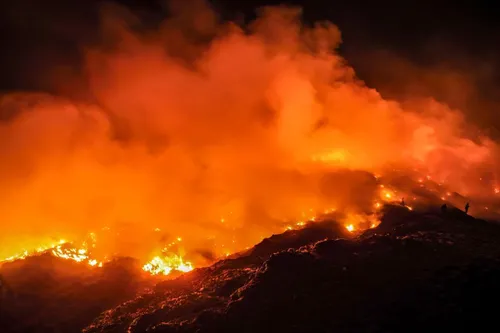
The event is expected to bring reduced rainfall to southeast Asia, central America, and northern South America, increasing the risk of droughts and wildfires. Preparations are underway, including reducing vessel numbers through the Panama Canal and deploying cloud-seeding aircraft to combat wildfires. Meanwhile, China expects seven typhoons to make landfall this year, causing significant disruption and fatalities in recent months.
Wetter-than-average conditions are also anticipated in parts of eastern Africa, southern Brazil, and the southern US, raising the chances of flooding. Climate change may be exacerbating the severity of El Niño events, although this link is not yet definitively established.
Written by urgent.news from KahawaTungu's reporting — not their text. Machine-written — may contain errors; check the original before relying on it.
This story
This is one outlet's version. Read the fullest account.
- UN warns of ‘supersized’ El Nino as countries prepare for impact kahawatungu.com
- UN warns of ‘supersized’ El Niño as countries prepare for impact capitalfm.africa
- UN warns of ‘supersized’ El Niño as countries prepare for impact myjoyonline.com
- UN warns of 'supersized' El Niño as countries prepare for impact bbc.co.uk