The 2026 El Niño Is Being ‘Supersized’ as Impacts Worsen
The World Meteorological Organization is warning that the climate phenomenon that has the Pacific running a fever will last until at least February, with dire consequences for weather worldwide.
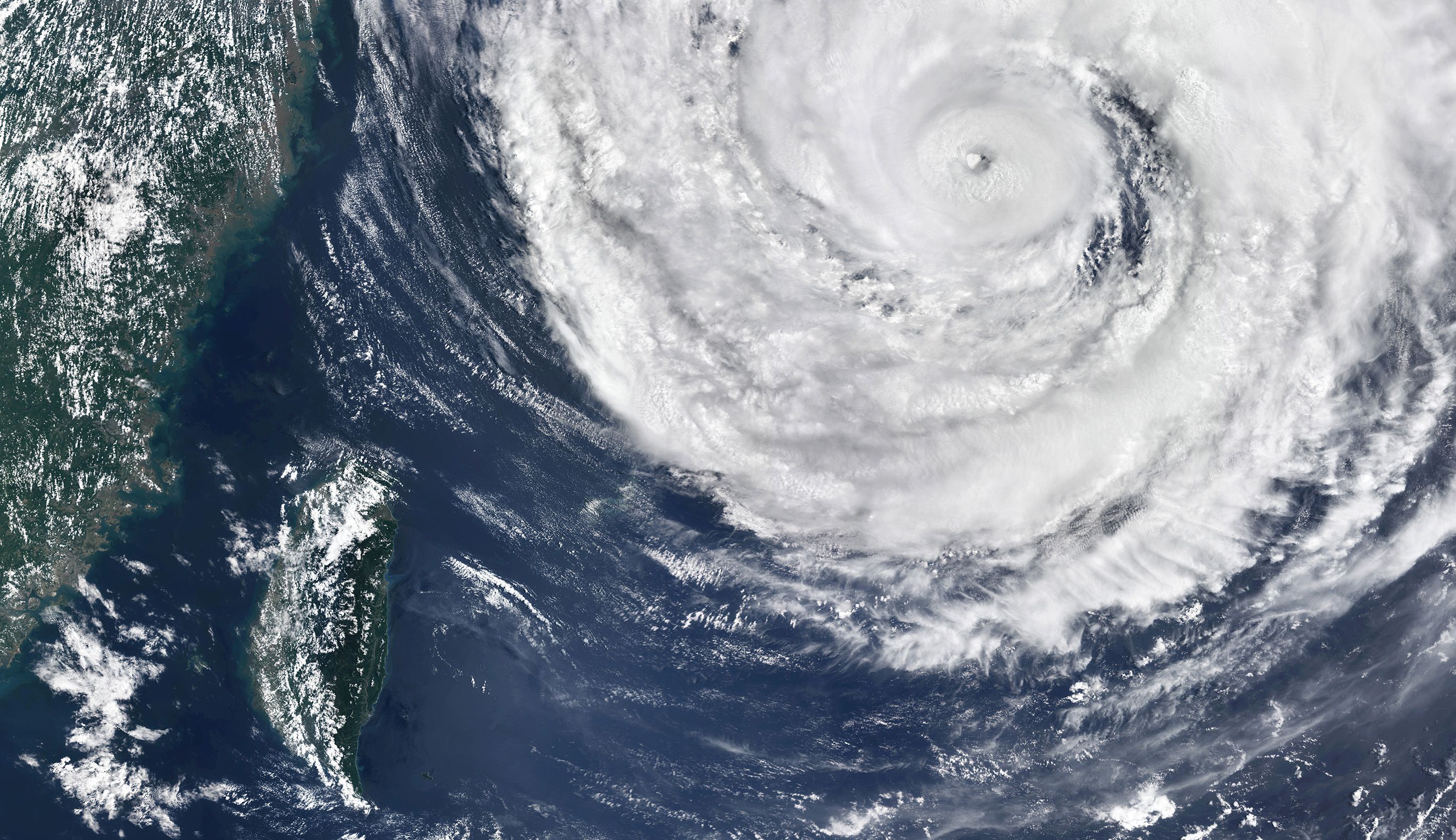
The United Nations' weather agency, the World Meteorological Organization (WMO), has issued an unprecedented forecast for this year's El Niño, describing it as being "supersized" and signaling the strongest on record. The agency asserts a "near 100% likelihood" that the El Niño event will persist through February. El Niño is a natural climate pattern characterized by unusually warm temperatures in the eastern tropical Pacific Ocean, which disrupts weather patterns globally.
The WMO's latest update suggests the El Niño will be so intense that it is likely to intensify the global average temperature by 0.1 to 0.2 degrees Celsius (0.2 to 0.4 degrees Fahrenheit) by releasing additional heat into the atmosphere. This year's El Niño may surpass 2027 as the hottest on record, further exacerbating the effects of man-made climate change.
Daniel Swain, a climate scientist at the University of California, warns that the magnitude of this El Niño could produce unexpected and extreme weather, with potentially devastating consequences. While the full intensity of the El Niño event is still a few months away, the world has already witnessed some of its impacts, including the hottest summer on record in the United States, drought in typically dry regions, and disrupted fisheries in the eastern Pacific.
The United Nations Secretary-General, António Guterres, has described the situation as "uncharted waters" and emphasized the urgent need for climate action to protect people and ecosystems.
Written by urgent.news from Wired's reporting — not their text. Machine-written — may contain errors; check the original before relying on it.