Vietnamese scientists develop foam that lets microbes eat pollution out of wastewater
A team at the Institute of Materials Science has developed a polyethylene foam to house wastewater-treating microbes, giving Vietnamese factories a domestic alternative to imported filtration media.
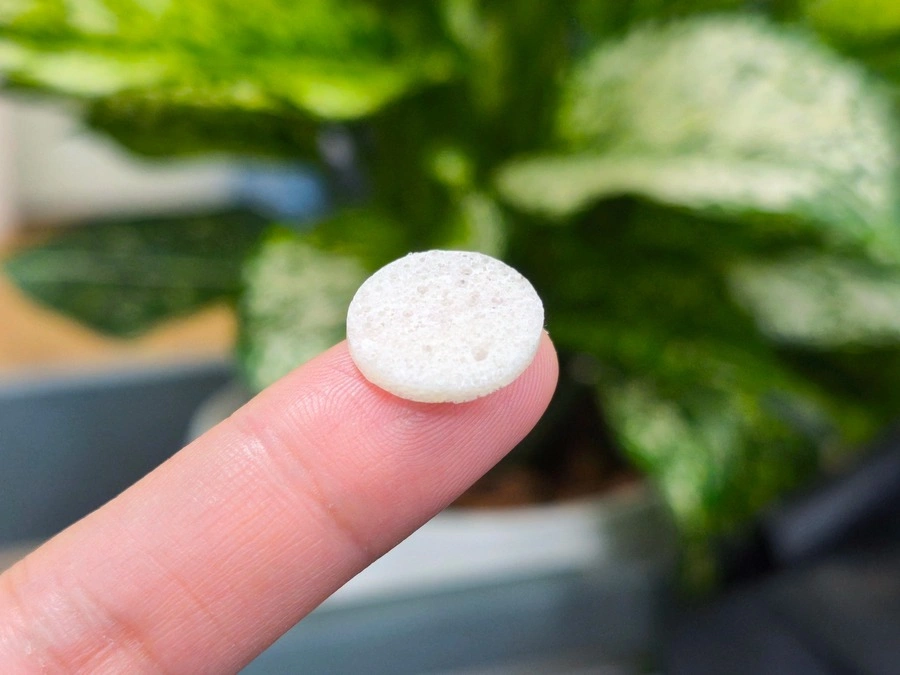
Vietnamese scientists at the Institute of Materials Science have developed a foam material that enables microorganisms to consume pollutants in wastewater. The porous biocarriers, a mere fingertip-sized discs, house countless microorganisms that break down organic waste in a moving bed biofilm reactor (MBBR) process. Comprising uniform pores, each cubic meter of the material provides roughly 2,500 square meters of surface area, equivalent to two Olympic swimming pools.
The key to the foam's effectiveness lies in its interconnected pores, which enable microbes to settle and thrive. Researchers faced a two-year challenge controlling the porosity and ensuring the material's durability within wastewater tanks while maintaining its low density. The polyethylene material, chosen for its mechanical strength and resistance to harsh conditions, was enhanced with proprietary additives to improve its surface chemistry and porosity.
Once produced, the biochips, as the discs are called, replace imported alternatives that cost up to 30% more per cubic meter. Early tests on domestic wastewater at a hospital in Hung Yen and treatment plants in Hanoi have shown the foam removes 90% of organic matter and meets Vietnamese discharge standards. The team is refining the material for faster microbial colonization and expects Vietnamese plastic factories to manufacture the discs for diverse applications within one to two years.
With the global MBBR market projected to grow to $5.2 billion by 2034, this Vietnamese innovation holds promise for efficient and cost-effective wastewater treatment solutions.
Written by urgent.news from VnExpress International's reporting — not their text. Machine-written — may contain errors; check the original before relying on it.