Women farmers in Sumatra find a gentler way to keep elephants at bay
On the island of Sumatra, Indonesia, in the buffer zone of a national park, a women-led farming group has come up with a solution to reduce encounters with elephants. Deforestation and oil palm encroachment have stripped Tesso Nilo National Park of more than three-quarters of its old-growth forest. This has forced the park’s roughly 150 […]
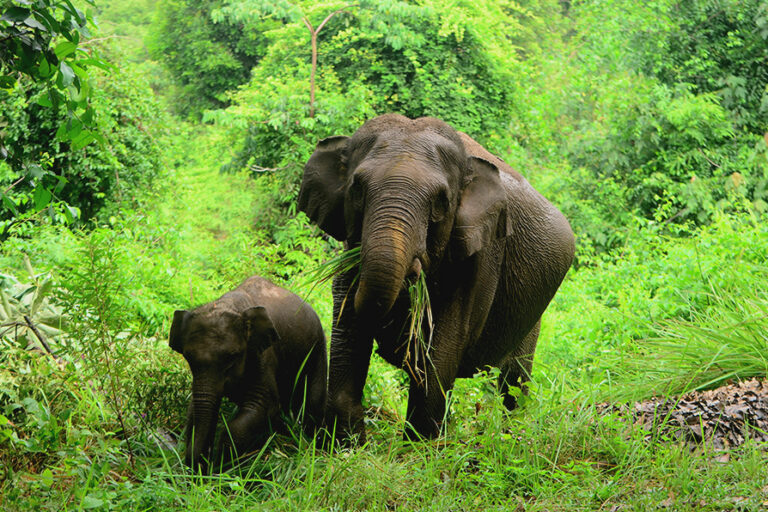
On the Indonesian island of Sumatra, a women-led farming group has devised a peaceful method to deter elephants from encroaching on their lands. Deforestation and oil palm cultivation have decimated more than three-quarters of the old-growth forest within Tesso Nilo National Park, forcing the park's approximately 150 Sumatran elephants into frequent confrontations with local communities, as reported by Mongabay Indonesia's Suryadi and Yenni Kwok.
While other villagers in Indonesia often employ harmful tactics like poisoning or electric fences to keep elephants away, the Batang Nilo Women's Forest Farmer Group (Perbani) in the village of Lubuk Kembang Bunga has opted for a more humane approach. The group uses dense fences made of citrus trees, which act as a natural deterrent for these massive animals.
Ernita, a 33-year-old farmer and member of Perbani, revealed that before the citrus trees were planted, elephants would feast on their oil palm fruits. She expressed gratitude for the citrus trees, stating that since their implementation, the elephants have refrained from consuming their crops. The initiative to plant elephant-friendly trees such as jackfruit, cempedak, and petai (stink beans) stems from the Tesso Nilo National Park Foundation (YTNTN), a community-based organization that initiated the plan.
Executive director Yuliantony emphasized the importance of involving women in conservation efforts, as they often possess extensive local ecological knowledge.
Written by urgent.news from Mongabay's reporting — not their text. Machine-written — may contain errors; check the original before relying on it.