How transplant oncology is rewriting the story of liver cancer
A transplant solves two problems in a single operation: it removes every tumour, eliminates the scarred field that keeps producing them, and restores completely normal liver function
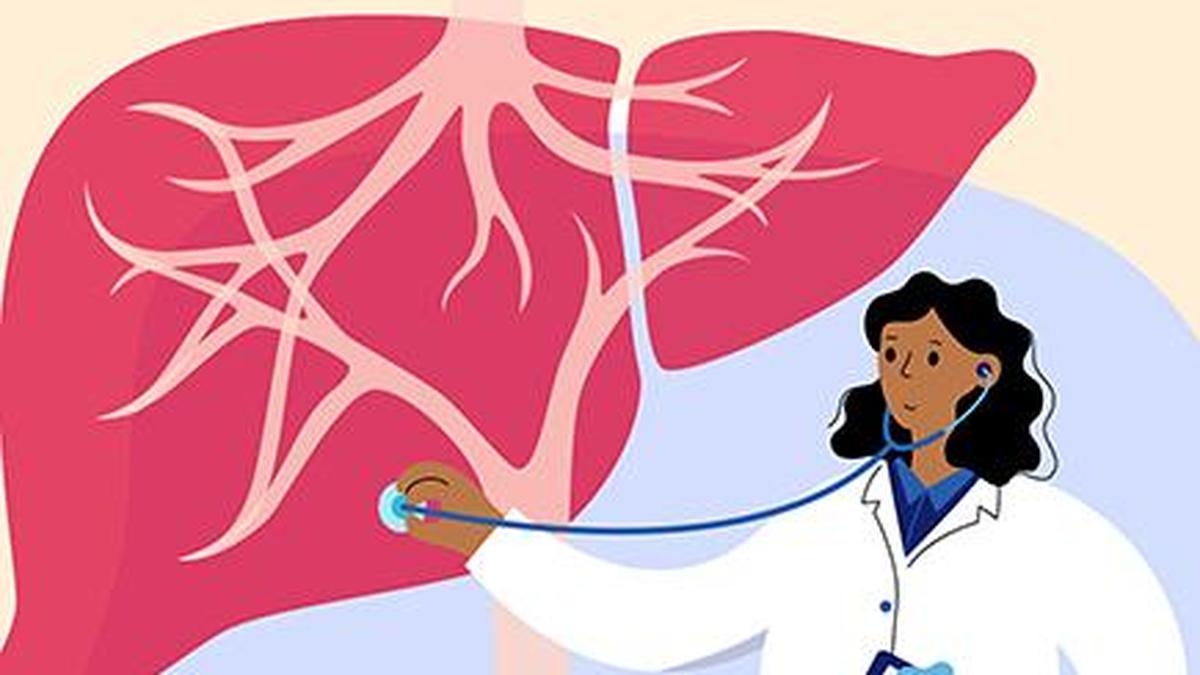
Transplant oncology is revolutionizing the treatment of liver cancer, a disease that once posed significant challenges to medical professionals. Traditionally, surgeons attempted to excise the cancerous tissue from the liver, but this approach often proved unsuccessful, as the tumor could grow deep within the organ, spread across both lobes, or take root in a liver already compromised by disease.
This led to a situation where removing the cancer would compromise the patient's remaining healthy liver, making transplantation impractical. However, the advent of transplant oncology has changed the narrative. Modern liver transplant teams now focus on the biological behavior of tumors rather than merely attempting to cut them out.
This shift in strategy involves removing the entire diseased liver and replacing it with a healthy one. For the most common type of liver cancer, hepatocellular carcinoma (HCC), which is frequently multifocal, meaning it appears in several locations simultaneously, this approach provides a solution to both problems at once. It eliminates every tumor, eradicates the scarred liver portion that continues to produce new tumors, and restores normal liver function.
The central challenge in transplant oncology has always been the selection of suitable donors. Donor livers are rare and valuable, and a transplant is only worthwhile if the cancer is unlikely to recur. Recent advancements have focused on understanding the biological characteristics of tumors, such as their aggressiveness, behavior, and response to treatment.
This approach has led to the development of downstaging, a technique that deliberately shrinks tumors until a patient who was previously ineligible for a transplant becomes a viable candidate. In cases where downstaging is successful, transplant recipients have shown strikingly positive outcomes. While hepatocellular carcinoma remains the primary indication for this modality, transplant oncology is expanding to include other complex liver tumors, such as bile duct cancers (cholangiocarcinoma), intrahepatic cholangiocarcinoma, and cancers that metastasize to the liver, like colorectal liver metastases and neuroendocrine liver metastases.
In pediatric cases, it is also crucial for treating pediatric liver cancers, including hepatoblastoma, HCC, and hepatic epithelioid hemangioendothelioma. A 54-year-old man with chronic liver disease and two hepatocellular carcinomas in the right lobe of his liver was initially deemed ineligible for bridging therapy due to his underlying condition.
However, his wife, a 45-year-old, became a living donor, donating her right lobe, and the patient underwent a successful transplant. He has been five months post-transplant with excellent graft function and no evidence of disease recurrence. Another case involves a man in his fifties with liver cancer that had invaded a major blood vessel.
The treatment team employed targeted local therapies and precision radiation, allowing the patient's tumor markers to fall to normal levels and confirming the cancer's response before proceeding. Nearly two years after his transplant, he remains cancer-free. This shift in transplant oncology emphasizes the question of "does its biology make a new liver worth giving?" as the primary consideration, rather than merely asking "can this tumor be removed?"
As selection criteria become more precise, more patients who were previously told that nothing could be done are now finding a real path to a cure.
Written by urgent.news from The Hindu - Sci-Tech's reporting — not their text. Machine-written — may contain errors; check the original before relying on it.
This story
This is one outlet's version. Read the fullest account.