How transplant oncology is rewriting the story of liver cancer
A transplant solves two problems in a single operation: it removes every tumour, eliminates the scarred field that keeps producing them, and restores completely normal liver function
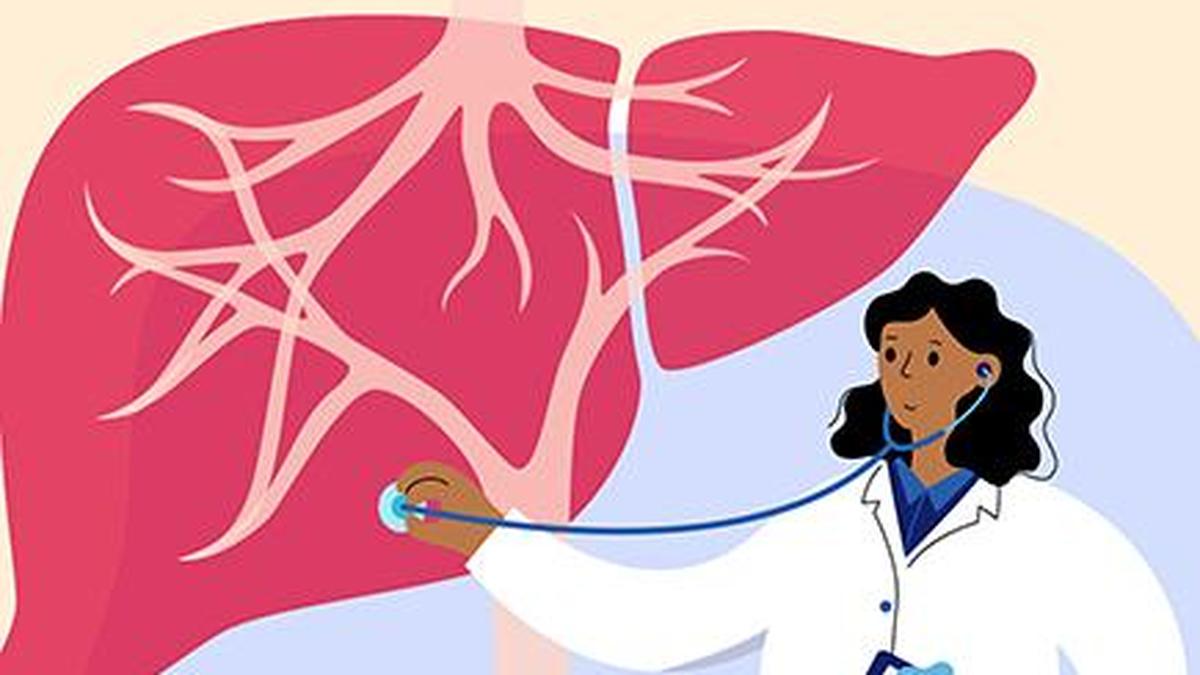
Transplant oncology is revolutionizing the treatment of liver cancer. Traditionally, removing the cancer from a diseased liver was challenging without sacrificing too much healthy tissue. Now, doctors surgically replace the entire diseased liver with a healthy one. Liver cancer, particularly hepatocellular carcinoma (HCC), often affects multiple areas, making transplant oncology a promising solution.
The key challenge lies in selecting the right candidates. Donor livers are rare and precious; transplant success depends on the cancer's biology, its aggressiveness, and its response to treatment. Modern transplant oncology focuses on downstaging, shrinking tumors to make a patient eligible for transplantation. This has shown remarkable success, with about half of appropriately selected patients benefiting from this approach.
While HCC is the primary focus, transplant oncology is also expanding to include other complex liver cancers, such as bile duct cancers and metastatic liver cancers. The case of a 54-year-old man with chronic liver disease illustrates the potential of this treatment, as his wife donated her lobe, and he remained cancer-free five months post-transplant.
Another patient, with liver cancer invading a major blood vessel, was treated with targeted therapies, leading to a full recovery two years after transplantation. Through refined selection criteria, transplant oncology is turning what was once deemed incurable into a realistic possibility for many patients.
Written by urgent.news from The Hindu Health's reporting — not their text. Machine-written — may contain errors; check the original before relying on it.