Council of State Sets Limits on Protests and Road Blockades
The Council of State, the highest court of the contentious-administrative jurisdiction and the supreme consultative body of the Government in Colombia, has just issued a ruling that places limits on protests in the country, especially those that resort to road blockades and harm a large part of the population. Although in Colombia the right to […]
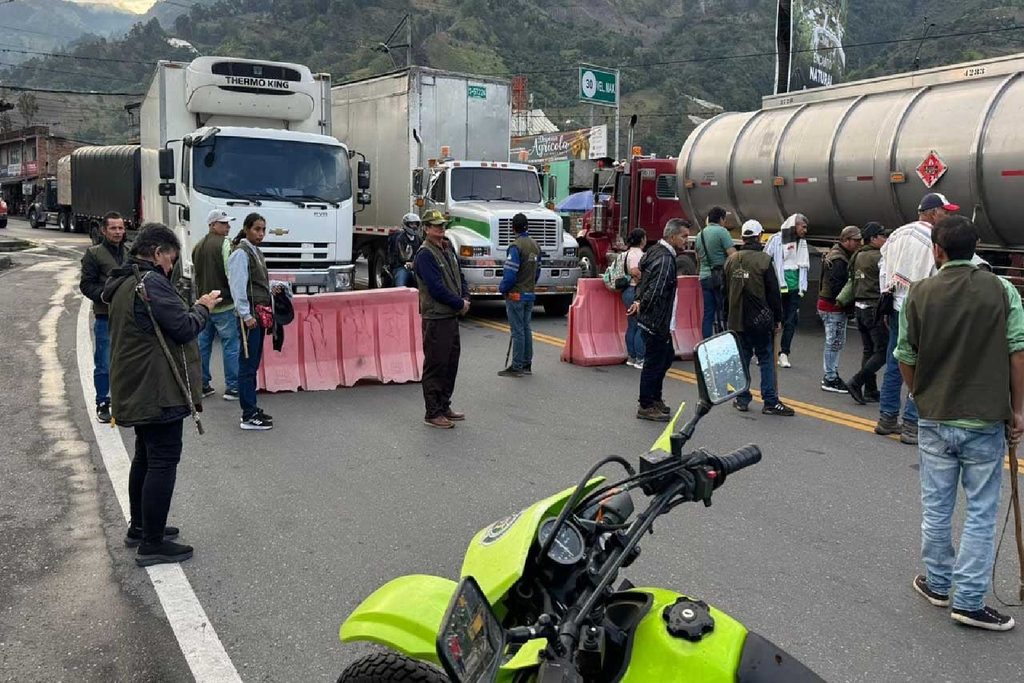
In 2026, the Council of State, Colombia's highest court, issued a ruling that places limits on protests, particularly those involving road blockades that harm citizens, companies, and institutions. From January to May, 309 blockades occurred, causing losses amounting to 1.3 trillion pesos (US$411 million). The case that led to this ruling involved a 2017 protest by the Community Corporation of Community Action Boards Direct Area of Influence San Isidro de Chichimene (CJAID), led by Sandra Patricia Ruiz Riano, in Meta's Acacias municipality.
Their blockades prevented workers and contractors from reaching Ecopetrol's Chichimene Station and hindered the transportation of necessary machinery and supplies. The court determined that the blockades' impact on Ecopetrol's income, due to delayed exploitation of resources, constituted an economic harm. The ruling also found that the protest exceeded the constitutional right to peaceful protest, as it involved blocking industrial facilities and restricting access to personnel.
The court found that Ruiz Riano and her corporation knowingly and deliberately obstructed Ecopetrol's operations, making them responsible for compensating the company for the damages caused. This ruling will affect future protests and sets a precedent that non-contractual civil liability applies when a protester's actions infringe upon others' rights, such as property and economic activity.
Written by urgent.news from Colombia One's reporting — not their text. Machine-written — may contain errors; check the original before relying on it.