What Howard Zinn Got Wrong
The historian believed that empowering the people would improve society. History hasn’t always proved him right.
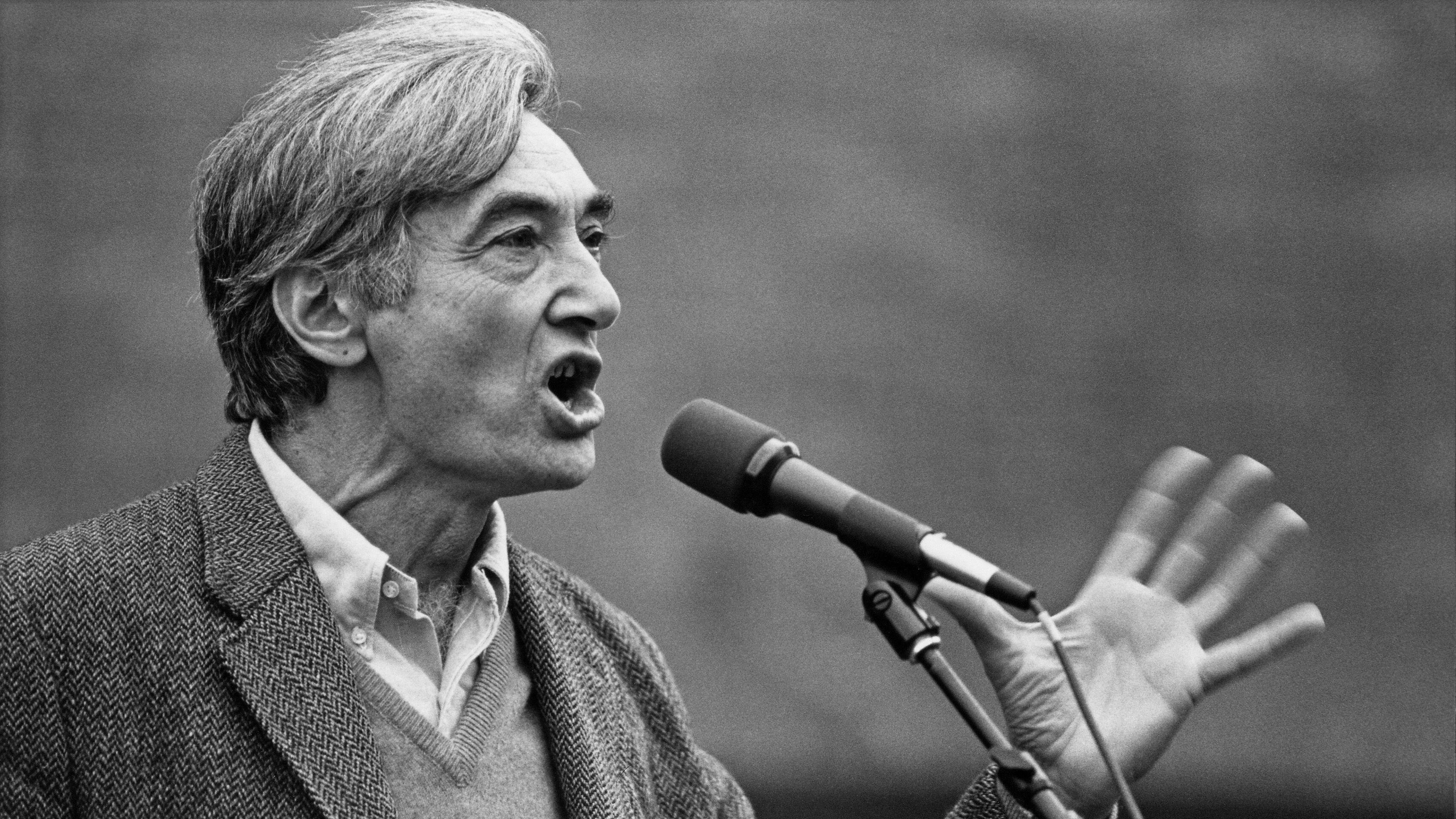
Howard Zinn's legacy as a radical historian and activist remains a subject of debate. While his 1980 book, A People’s History of the United States, sold consistently well and influenced generations, some question whether his faith in the power of ordinary people to effect change holds up in today’s political climate. Zinn, who joined the Air Force during World War II and later became a civil-rights and anti-war activist, saw examples of the people changing societies throughout his life, from organizing with students to fighting against oppression.
However, recent history has shown that the same voters who supported Zinn in the 2024 election also elected an authoritarian leader, raising questions about the limits of his optimistic worldview. Zinn's devotees, who were raised on his ideas, have questioned whether he was wrong to maintain such faith, but Zirin, Zinn's collaborator, offers a less definitive answer, attributing the shift to "tech oligarchs" and "autocrats" rather than grappling with the broader implications of these developments.
Written by urgent.news from The Atlantic's reporting — not their text. Machine-written — may contain errors; check the original before relying on it.