Scientists find vast hidden water reserves beneath Oregon’s volcanic Cascades
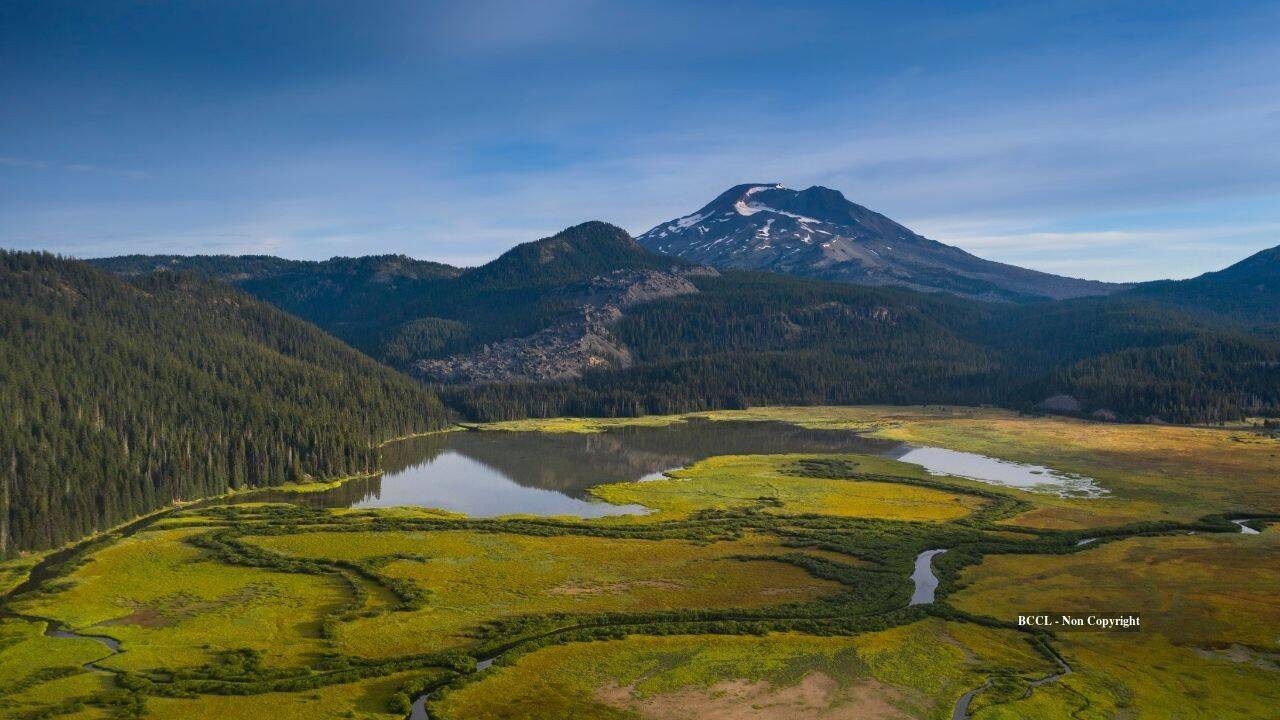
Scientists from the University of Oregon have discovered a massive hidden water reservoir beneath Oregon's Cascade Range volcanic mountains. By analyzing temperature data from old geothermal drill holes, they estimated at least 81 cubic kilometers of water are stored in the region's subsurface. This is nearly three times the capacity of the United States' largest reservoir, Lake Mead.
The discovery came from re-examining existing data from drill holes originally intended for geothermal energy assessments. Researchers found that the movement of heat through rock is influenced by whether the pores and fractures are filled with water or air. By modeling heat flow through dry rock and comparing it to actual temperature logs, they inferred the presence of a water-saturated zone across much of the Oregon Cascades.
The water is dispersed through porous zones, fracture networks, and vesicles in layers of lava flows, ash deposits, and volcanic rocks. It is more akin to a giant sponge than a single body of standing water. This type of groundwater storage is common in volcanic terrains due to repeated eruptions building up thick deposits that develop porous zones and fracture networks over time.
Implications include a better understanding of how precipitation is stored and released in the Cascades, potentially making regional water budgets and drought resilience assessments more accurate. The findings also have implications for volcanic hazard assessment, as water can play a role in how volcanoes behave, particularly during eruptions.
Written by urgent.news from Times of India's reporting — not their text. Machine-written — may contain errors; check the original before relying on it.