Nepal’s deadly debris avalanche is a warning for the rest of the world
Avalanches like the one that devastated parts of Nepal and Tibet are becoming more common thanks to climate change. Here’s where else is at risk
A deadly landslide in Nepal is a stark warning that similar disasters could become more common due to climate change, experts warn. The massive avalanche, triggered by a chunk of glacier from the Langtang Lirung mountain, sent hundreds of millions of tons of ice, rock, and debris hurtling down slopes, killing over 1,000 people and leaving thousands missing.
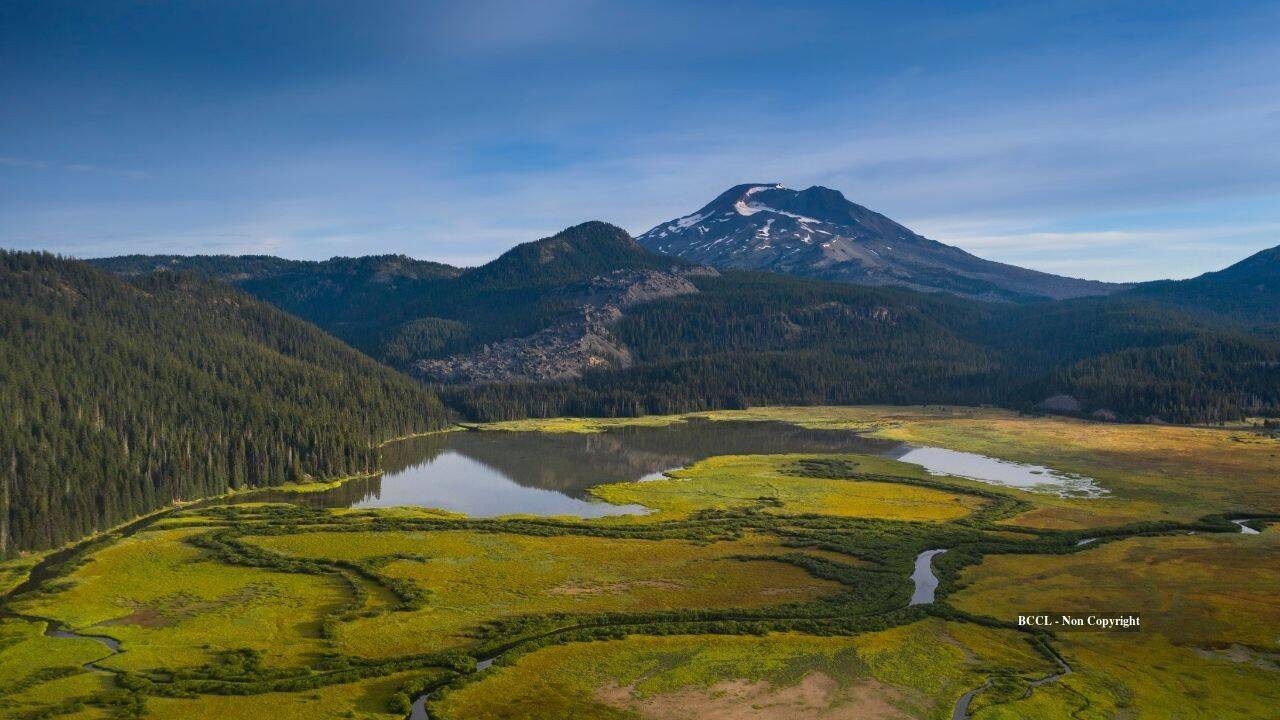
The disaster underscores the growing risk of such events worldwide, as rising global temperatures are causing permafrost to thaw, glaciers to shrink, and rock stability to decrease. While pinpointing the exact risk to specific locations is challenging, researchers note that areas with similar conditions—like warming, thawing permafrost, and steep slopes—could also experience mass movements.
Mitigation efforts, such as drainage systems and early warning systems, can help reduce some risks, but evacuation remains crucial in extreme scenarios. As climate change continues to reshape our planet, high-altitude environments worldwide face an increased likelihood of catastrophic events, necessitating heightened awareness and preparedness.
Written by urgent.news from Scientific American's reporting — not their text. Machine-written — may contain errors; check the original before relying on it.
This story
This is one outlet's version. Read the fullest account.