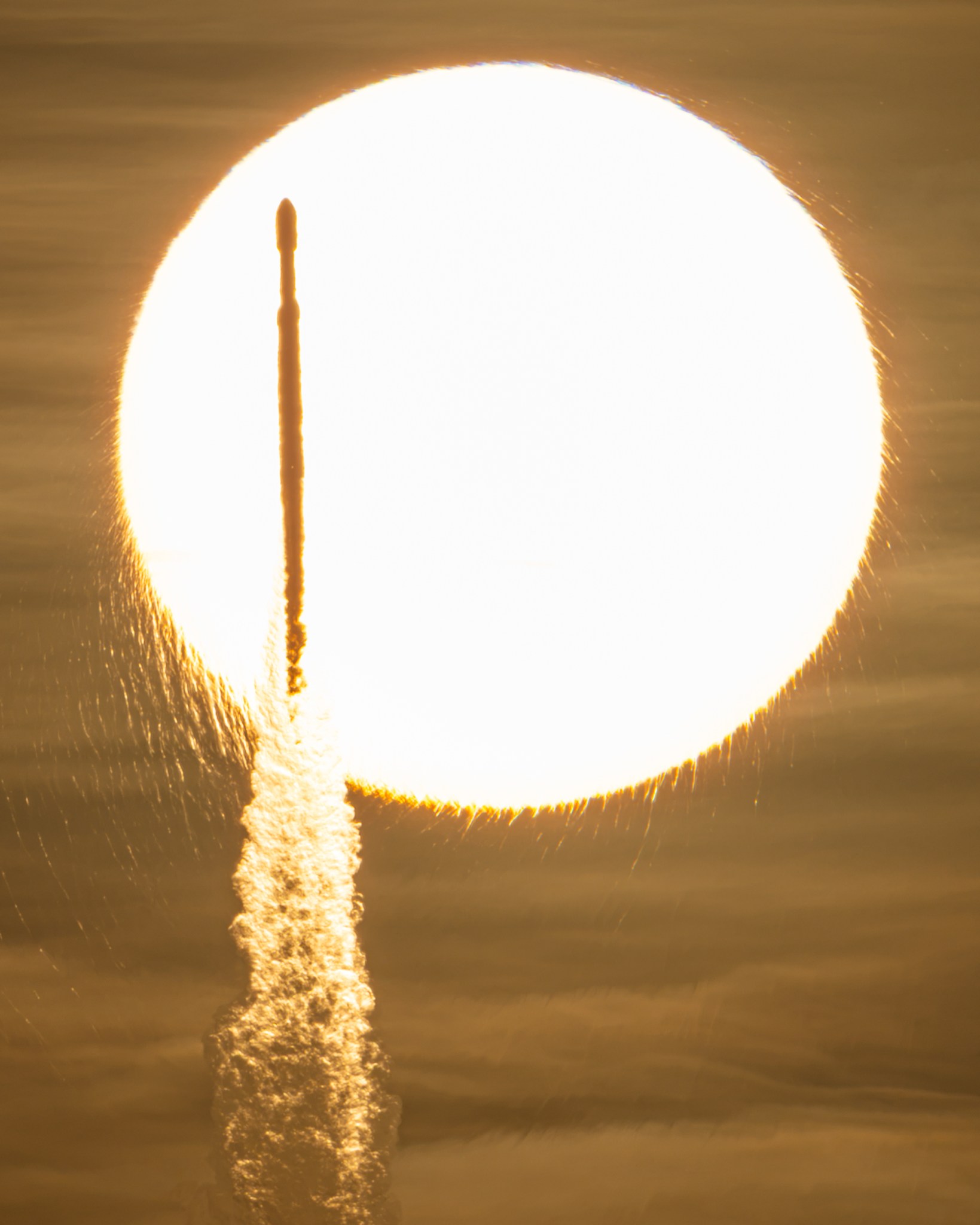
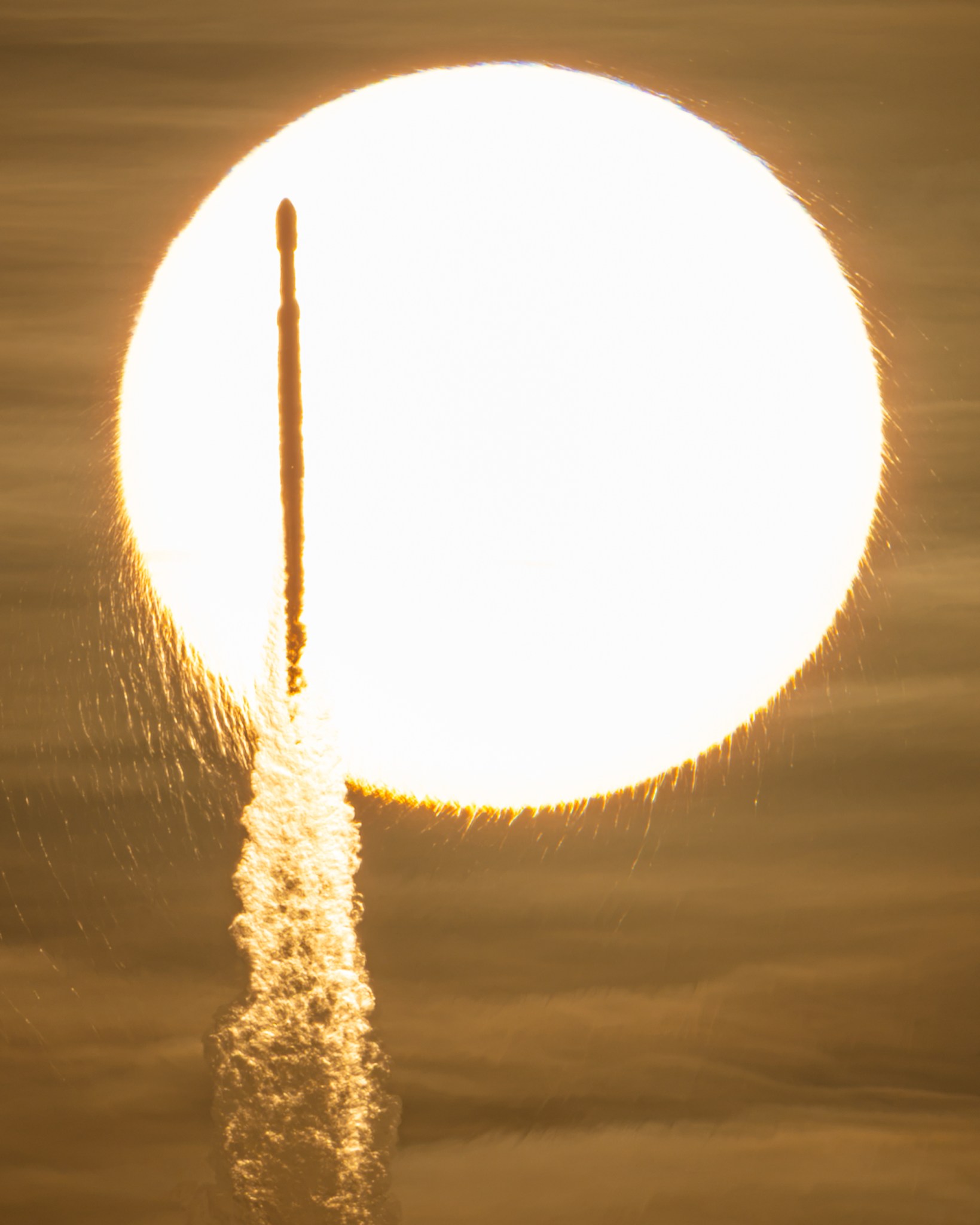
WATCH: NASA launches revolutionary new telescope
NASA launched a revolutionary, next-generation space telescope designed to observe billions of galaxies and potentially solve some of the biggest mysteries of the universe.
NASA launched its newest space telescope, the Nancy Grace Roman, embarking on its largest mission yet to explore the cosmos on a grander scale. With a budget of roughly $4 billion, this telescope aims to shed light on the enigmatic forces of dark energy and dark matter, which make up 95 percent of the universe and remain largely unknown to scientists.
During a press conference, NASA Administrator Jared Isaacman outlined how Roman differs from previous telescopes, emphasizing its ability to capture panoramic views of space and provide a more comprehensive understanding of these powerful forces.
The Roman Space Telescope's innovative features include a mirror diameter equal to that of Hubble but with 100 times greater precision, allowing it to survey the universe 1,000 times faster. This will result in an influx of data, with the telescope transmitting about 1.5 terabytes per day. While this extraordinary amount of information may seem overwhelming, scientists hope it will unravel the mysteries surrounding dark energy and dark matter, which have perplexed astronomers for decades.
Dark matter, often likened to the invisible scaffolding holding the universe together, is responsible for the gravitational forces that govern planetary orbits and the overall structure of the cosmos. On the other hand, dark energy is a mysterious force causing the universe to expand and accelerate as it does. Despite their significant impact on the universe's behavior, the nature of both dark energy and dark matter remains elusive, leaving astronomers eager to uncover the secrets that Roman's data may reveal.
While the telescope cannot directly observe these invisible forces, it can study the way light is bent by gravity—a phenomenon known as gravitational lensing. By analyzing how light behaves in the presence of dark matter, scientists can gain insights into the force of gravitational pull, shedding light on the nature of this elusive component of the universe.
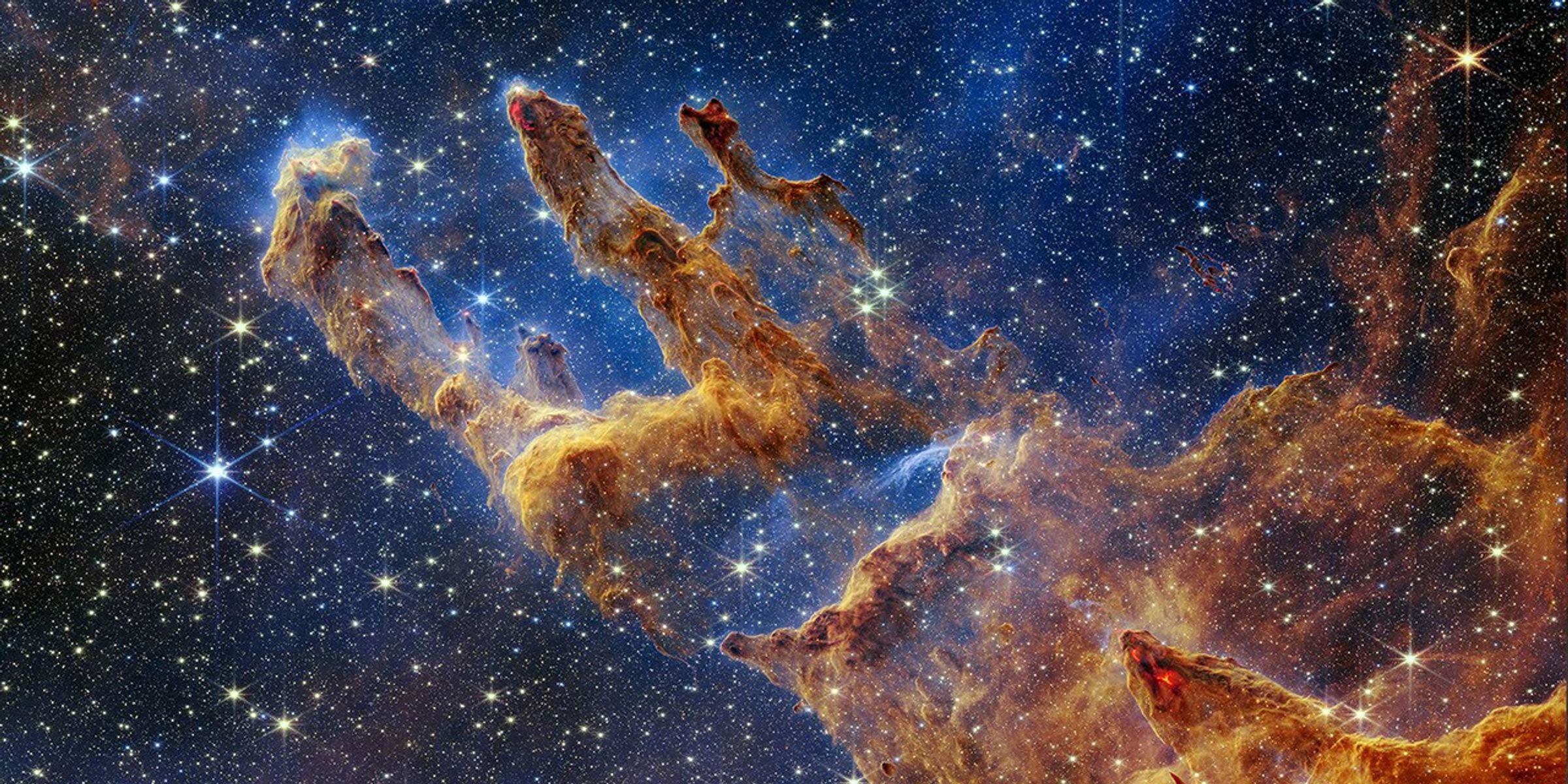
Furthermore, as Roman joins a fleet of other telescopes already orbiting Earth, such as the James Webb Space Telescope, Hubble, Chandra X-ray Observatory, and others, these instruments complement each other by observing different wavelengths, allowing astronomers to gather a more comprehensive understanding of the universe and its hidden mysteries.
Written by urgent.news from PBS NewsHour's reporting — not their text. Machine-written — may contain errors; check the original before relying on it.
This story
This is one outlet's version. Read the fullest account.
- Where is the Roman Telescope in space? scientificamerican.com
- How NASA's new space telescope could help solve mysteries of dark energy and dark matter pbs.org
- NASA launches Nancy Grace Roman Space Telescope to shed light on the dark universe physicsworld.com
- 'No guts, no glory': How I captured NASA's Roman Space Telescope cross the sun on a picture-perfect SpaceX Falcon Heavy launch space.com
- Track NASAs Roman Space Telescope on its long cruise to deep space mashable.com
- Nasa launches ‘Mother of Hubble’-named telescope to map the cosmos malaymail.com
- Dark energy, exoplanets and black holes: What Nasa’s new Roman telescope will explore timesofindia.indiatimes.com