Trump Is Unraveling a Hard-Won Rule to Reduce Toxic Pollution From Chemical Plants
This story was originally published by Yale E360 and is reproduced here as part of the Climate Desk collaboration. In April 2024, Tish Taylor and her father, Robert, stood behind President Joe Biden’s Environmental Protection Agency chief, Michael Regan, as he signed a regulation designed to dramatically reduce toxic pollution from petrochemical plants like those that cluster near the Taylors’…
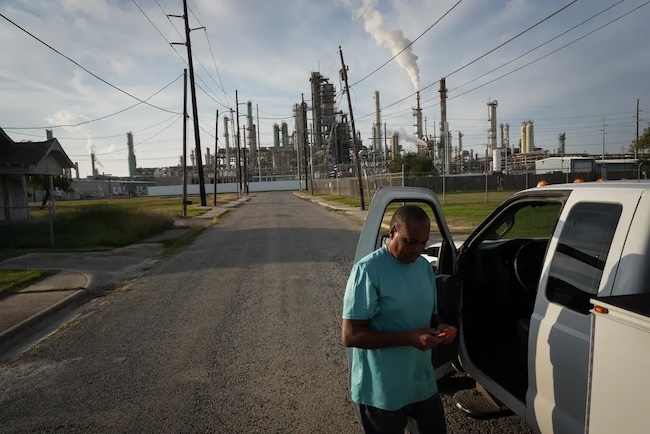
In April 2024, President Joe Biden's Environmental Protection Agency (EPA) chief, Michael Regan, signed a regulation aimed at drastically cutting toxic emissions from petrochemical plants located near Tish Taylor's family home in Louisiana. Known as the HON rule, this regulation aimed to protect communities in the Cancer Alley region, which has seen alarmingly high cancer rates due to pollution.
The HON rule required petrochemical plants to install upgraded pollution control equipment to reduce emissions of hazardous chemicals such as ethylene oxide and vinyl chloride, and mandated the installation of air monitors to measure concentrations of these pollutants.
However, shortly after Donald Trump began his second term, his administration began dismantling the HON rule, granting exemptions to over 50 petrochemical facilities. In July, an additional 20 temporary exemptions were issued, and the EPA announced plans to revise the regulation this fall. The new version is expected to significantly weaken the rule's protections, with Tish Taylor expressing her dismay that the Biden administration's efforts to safeguard her community were being undone.
The HON rule was one of nine new air toxics regulations enacted by the Biden administration, and has been withdrawn, revised, or reconsidered since then.
The HON rule was designed to protect vulnerable communities from the health risks posed by toxic air pollutants, such as ethylene oxide and vinyl chloride, which have been linked to increased risks of various cancers and reproductive problems. The EPA estimated that the HON rule would reduce the risk of cancer-related illnesses from air toxics by 96 percent in communities near the affected plants.
Facilities covered by the rule produce ingredients for everyday products, and the regulation was projected to prevent 6,200 tons of toxic air pollution annually, slashing emissions of ethylene oxide and chloroprene by nearly 80 percent.
Written by urgent.news from Mother Jones's reporting — not their text. Machine-written — may contain errors; check the original before relying on it.