From cracks to corrosion: How inspectors track down defects in Singapore's buildings
Water stains and peeling paint can point to problems that warrant a closer look. CNA finds out how engineers determine what needs attention, including problems hidden from view.
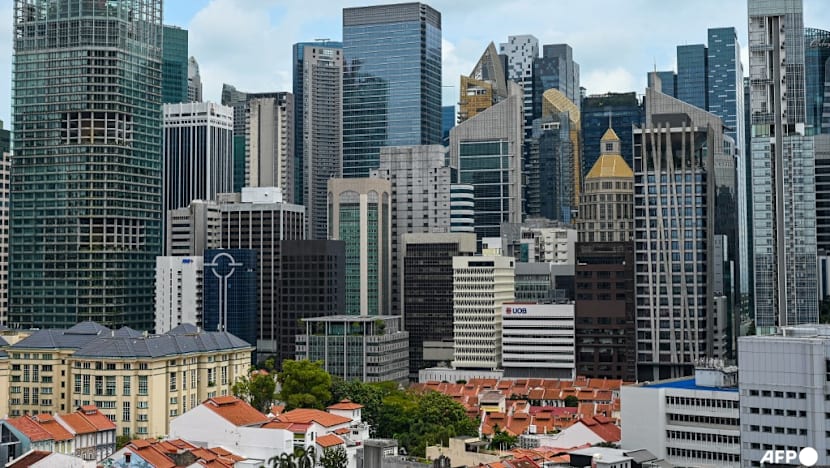
Singapore's building inspections focus on various defects such as cracks, corrosion, and spalling concrete. Inspectors use a combination of hands-on checks, drones, and tiny cameras to identify problems. The Building and Construction Authority (BCA) conducts inspections every five or ten years, depending on the building type. Common minor issues include plaster cracks and water seepage.
More serious defects involve corrosion and damaged cladding panels. Regular inspections aim to catch issues early to prevent worsening problems. Technology like drones and AI assist inspectors in examining areas that are hard to reach. They capture thousands of images and use AI to identify defects, which are then flagged for further physical examination.
Signs like water or rust stains may indicate hidden moisture or corrosion. Inspectors must differentiate between superficial cracks and those affecting reinforced concrete. Serious defects may require immediate remedial action. Owners are encouraged to conduct regular inspections between mandatory cycles to manage maintenance costs and prolong building longevity.
Written by urgent.news from Channel News Asia's reporting — not their text. Machine-written — may contain errors; check the original before relying on it.
This story
This is one outlet's version. Read the fullest account.