From cracks to corrosion: How inspectors track down defects in Singapore's buildings
Water stains and peeling paint can point to problems that warrant a closer look. CNA finds out how engineers determine what needs attention, including problems hidden from view.
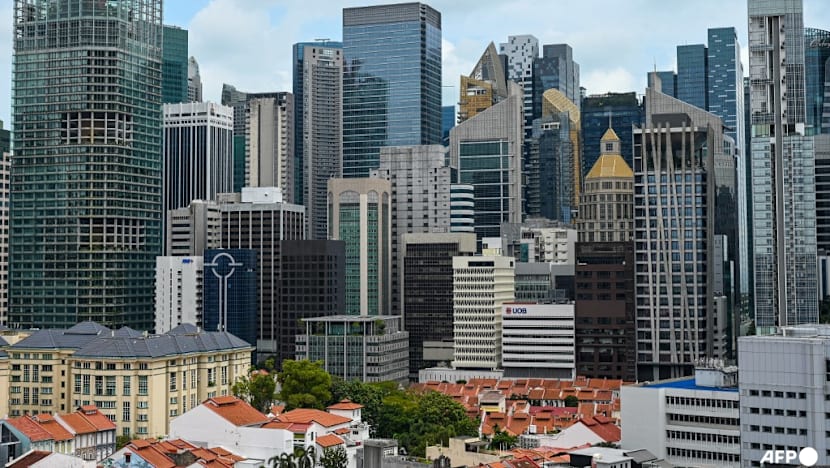
Singapore's building safety is closely monitored through rigorous inspections conducted by the Building and Construction Authority (BCA). These inspections focus on identifying defects such as cracks, corrosion, and spalling concrete, which could signal more serious issues. Inspectors use a variety of methods to detect problems, from hands-on checks to advanced technology like drones and tiny cameras for hidden areas.
Over 600 buildings had structural defects each year between 2023 and 2025, with most being minor issues like plaster cracks and water seepage. However, serious problems include corrosion and spalling concrete. Common facade issues include hairline cracks and peeling paint, while more severe defects are spalling concrete and loose cladding panels.
Inspectors assess critical structural components, use drones for facade scans, and employ tiny cameras to examine concealed spaces. Regular inspections aim to catch defects early, allowing for timely repairs before problems worsen. Technology plays a significant role in this process, with AI helping to identify potential issues from thousands of images captured during inspections.
Owners are encouraged to conduct regular inspections between mandatory cycles to manage maintenance costs and ensure long-term building safety.
Written by urgent.news from CNA - Singapore's reporting — not their text. Machine-written — may contain errors; check the original before relying on it.