First-in-Class Drug Wins FDA Approval for Polycythemia Vera
(MedPage Today) -- The FDA approved first-in-class rusfertide (Mimrylo) for treating erythrocytosis in adults with polycythemia vera (PV), a rare and slow-growing hematologic malignancy. Rusfertide mimics hepcidin, the natural hormone involved...
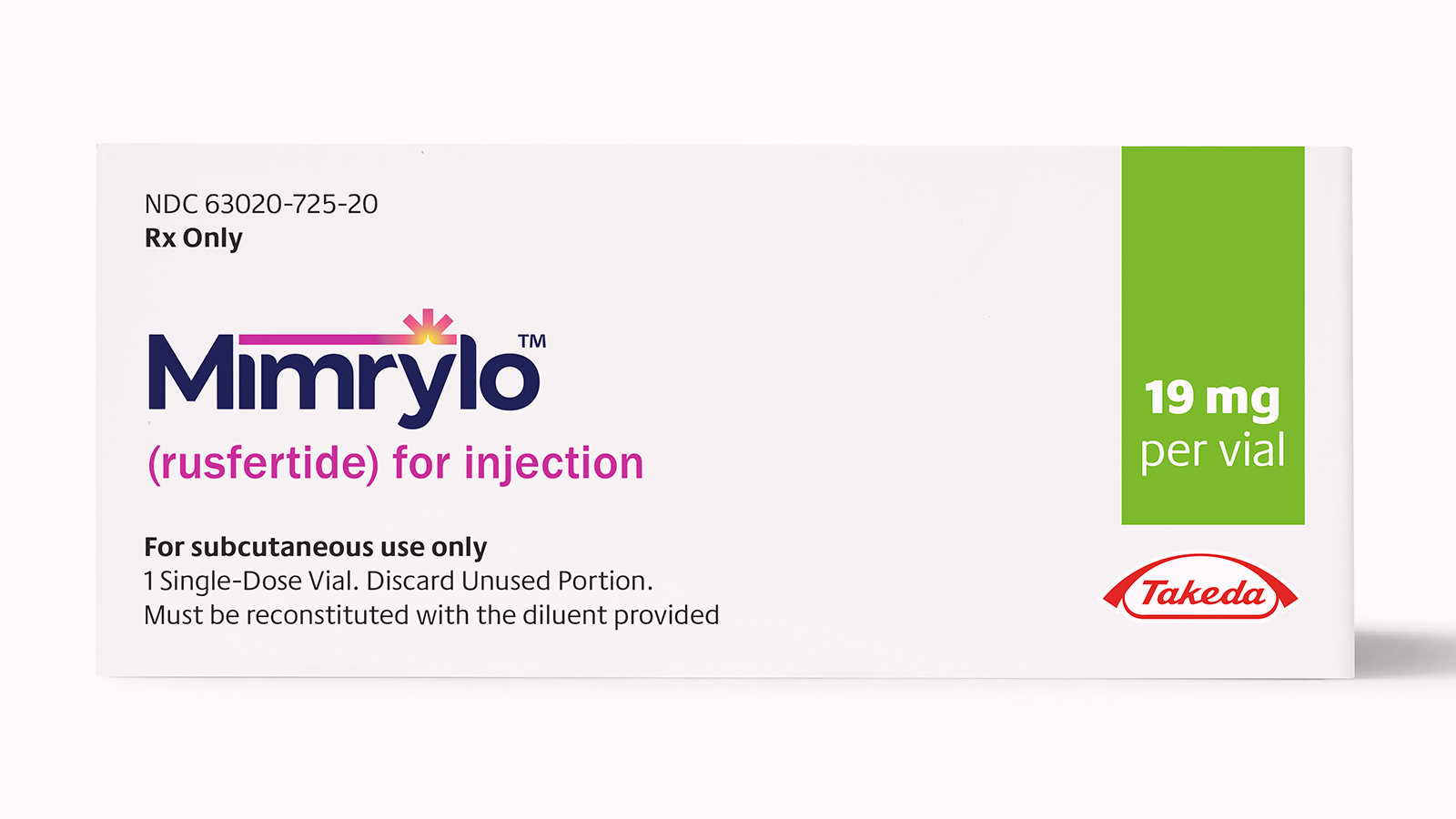
The FDA has greenlit the first drug of its kind, rusfertide (Mimrylo), for treating a rare and slow-growing blood disorder called polycythemia vera (PV) in adults. Rusfertide works by imitating hepcidin, a hormone that manages iron levels and red blood cell production. Keeping hematocrit, or the proportion of blood occupied by red blood cells, within a safe range is crucial to lower the chances of serious health issues like blood clots, strokes, or heart attacks in PV patients.
The FDA's approval of Mimrylo is based on promising results from VERIFY, a phase III clinical trial. The trial demonstrated that rusfertide could significantly reduce the need for phlebotomy, a procedure used to remove excess blood, in PV patients whose hematocrit levels remained uncontrolled despite standard treatments. Dr. Andrew Kuykendall, an investigator from the Moffitt Cancer Center, noted that current treatments often leave many patients with limited options and can disrupt daily life.
Kuykendall expressed confidence in Mimrylo's potential to revolutionize PV treatment and help maintain hematocrit control. The randomized VERIFY trial enrolled participants and assigned them to receive either rusfertide, administered subcutaneously and adjusted to maintain hematocrit levels below 45%, or a placebo. At its primary endpoint, the trial revealed that twice as many patients in the rusfertide group had no need for phlebotomies during weeks 20 to 32 compared to the placebo group (76.9% versus 32.9%, P < 0.001).
Additionally, patients in the rusfertide group required significantly fewer phlebotomies over the 32-week period (0.5 vs 1.8, respectively, P < 0.0001).
Common side effects reported in rusfertide-treated patients included injection-site reactions (56%) and anemia (16%). The drug's labeling carries warnings and precautions, including the risk of new or worsening thrombocytosis, injection-site reactions, and potential embryo-fetal toxicity.
Written by urgent.news from MedPage Today's reporting — not their text. Machine-written — may contain errors; check the original before relying on it.