Ecocide in Iran
The U.S.–Israeli war has caused massive environmental devastation, adding to the long history of American wars with toxic legacies. The post Ecocide in Iran appeared first on The Intercept .

In March, President Donald Trump declared victory in the war against Iran, despite the nation being "very much destroyed" and "obliterated." Trump had claimed that the conflict would bring peace to the Middle East and worldwide. However, more than six months later, the conflict continues, with no signs of world peace being achieved. The U.S. military has shifted focus to an "economic D-Day" rather than achieving its original war goals, including Iran's unconditional surrender and seizing its oil infrastructure.
The war has resulted in hundreds of U.S. casualties and thousands of Iranian deaths, with estimates of nearly 40,000 Iranians killed or wounded. The environmental impact of the war has also come to light, with more than 300 incidents of potential environmental harm documented in 12 countries in the region. These incidents have threatened both the immediate victims and future generations who will deal with the long-term consequences.
The U.S. and Israeli attacks have targeted environmentally risky facilities, including oil infrastructure, water desalination plants, and nuclear facilities. The strikes have caused damage to desalination plants, leading to contamination of civilian water supplies and surrounding land and marine environments with harmful chemicals.
Bombed infrastructure has filled urban streets with asbestos-contaminated rubble and dust, increasing the risk of respiratory illness and cancer. The targeting of nuclear facilities poses a risk of radiation exposure or an uncontrolled nuclear disaster.
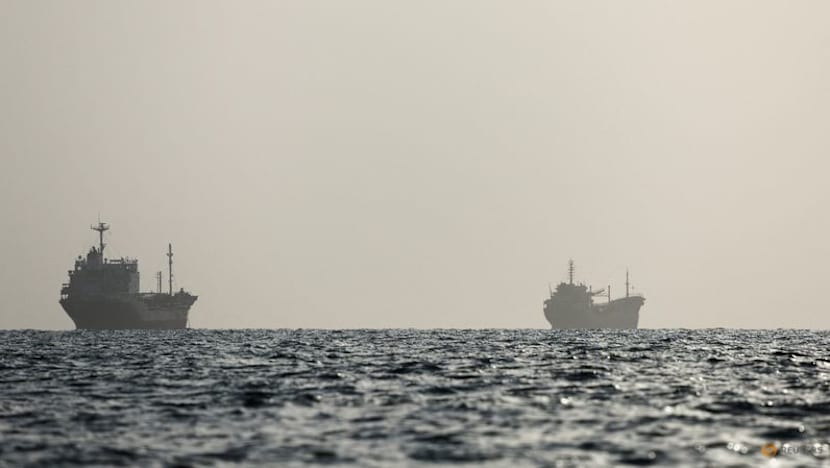
Fossil fuel infrastructure has also been a priority for all belligerents, with Israeli strikes on Iranian oil depots releasing toxic smoke over Tehran and attacks on oil tankers and commercial vessels spilling oil into waterways. The environmental impact of these strikes is significant, with greenhouse gas emissions from the strikes equating to roughly the same amount of carbon emissions as the country of Iceland releases in a year.
The ongoing satellite blackout has hindered efforts to track the environmental devastation, making it difficult to assess the true extent of the damage caused by the war.
Written by urgent.news from The Intercept's reporting — not their text. Machine-written — may contain errors; check the original before relying on it.
This story
This is one outlet's version. Read the fullest account.
- Ecocide in Iran theintercept.com