Ecocide in Iran
The U.S.–Israeli war has caused massive environmental devastation, adding to the long history of American wars with toxic legacies. The post Ecocide in Iran appeared first on The Intercept .

In March, President Donald Trump declared victory in the war against Iran, less than two weeks after initiating the conflict. He claimed Iran had been "very much destroyed and, even, obliterated," promising the war would bring peace to the Middle East and the world. However, six months later, the conflict remains unresolved and the promised peace has not come to pass. The U.S. military has retreated from the front lines, opting instead for an "economic D-Day" that appears to amount to mere posturing.
The major objectives of Trump's war, such as Iran's unconditional surrender and seizing its oil infrastructure, have not been realized. Instead, the war has resulted in significant loss of life on both sides, with thousands of Iranian deaths, including a family of eight with five children and a 20-day-old infant. The true toll of the war may be even higher, as the environmental devastation is only beginning to be recognized.
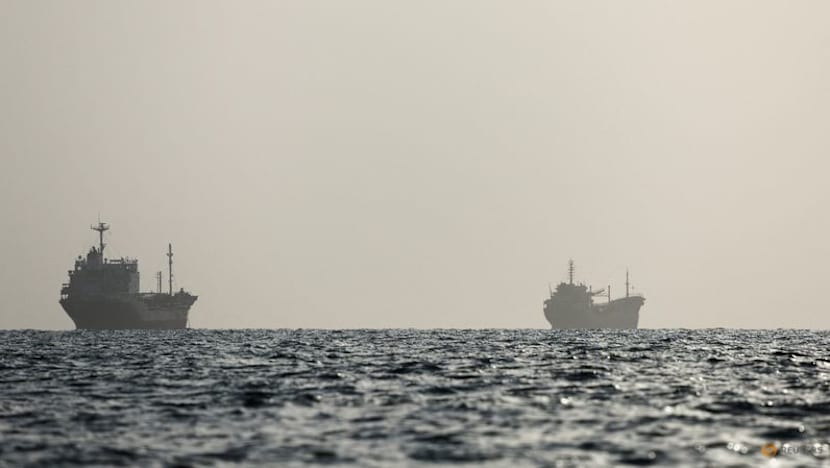
Environmental experts warn of the toxic consequences of the U.S. war on Iran, citing oil contamination in the Persian Gulf and Sea of Oman. The Conflict and Environment Observatory has documented over 300 potential environmental harm incidents in 12 countries in the region. These exposures not only affect current victims but also pose risks to future generations. The ongoing satellite blackout, imposed by the U.S. government, has hindered efforts to track the environmental devastation.
Despite these challenges, the satellite data available suggests that all parties to the conflict have targeted environmentally risky facilities, including oil infrastructure and water desalination plants. Research from the Climate and Community Institute indicates that U.S. and Israeli attacks on Iran in the first 14 days of the war emitted roughly 5 million metric cubic tons of greenhouse gases, equivalent to the annual emissions of the country of Iceland.
The war has also caused significant damage to infrastructure, such as desalination plants, power stations, and nuclear facilities, which could have long-term environmental and health consequences.
Written by urgent.news from The Intercept's reporting — not their text. Machine-written — may contain errors; check the original before relying on it.
Also reported by 1 other outlet
- Ecocide in Iran theintercept.com