More than six months into Iran war, no clear winner as costs mount for US
The conflict has strained the United States military, shaken energy markets and piled political pressure on President Donald Trump.
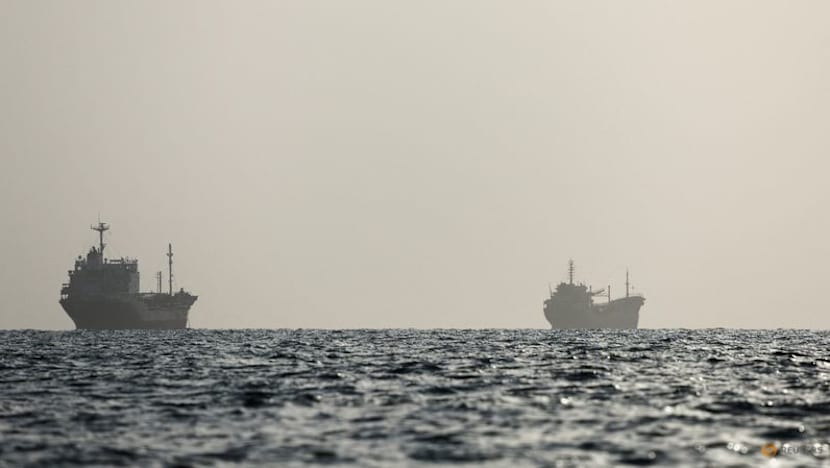
Six months after United States and Israel began strikes on Iran, the conflict has devolved into a costly stalemate with no clear resolution. Initial hopes of a quick victory have given way to sustained military presence and financial strain. The United States military estimated the conflict could surpass $100 billion in costs, while dwindling munitions supplies add to logistical difficulties.
Tensions flared again on August 30 when the US military attacked two rocket launchers on Iran's Larak Island, prompting a retaliatory assault on US bases in Jordan. The initial strikes on February 28 killed Iran's supreme leader Ayatollah Khamenei, setting a volatile tone. Washington's original military objectives included destroying Iranian offensive missiles, production facilities, naval capabilities, and nuclear weapons programs.
However, by April, President Trump's claim of Iran's complete destruction faced skepticism regarding Tehran's ongoing military capabilities. The conflict has disrupted global energy flows, particularly through the Strait of Hormuz, prompting concerns about energy security and potential shifts in oil sourcing. This disruption has also sparked a political backlash in the US, with President Trump's approval ratings declining as Americans express worry about the war's prolonged duration.
Tensions with China over Iran's economic ties add another layer of complexity. The US Treasury has threatened sanctions against countries maintaining economic relations with Iran, including China, which maintains significant trade with Tehran. This economic isolation strategy faces diplomatic challenges, as Beijing warns against disrupting its crucial economic relationship with Iran. Ultimately, the US aims to prevent Iran from acquiring a nuclear arsenal, a goal that remains elusive despite ongoing efforts.
Written by urgent.news from Channel News Asia's reporting — not their text. Machine-written — may contain errors; check the original before relying on it.