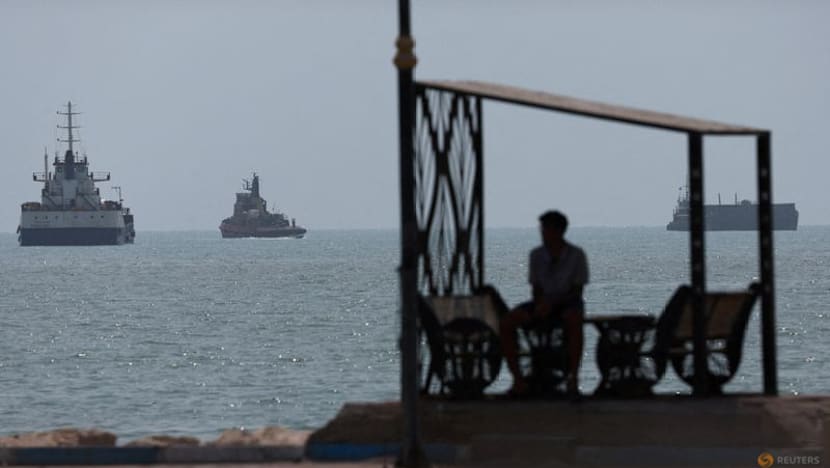
Diversification of Crude Oil Procurement: Steadily Advance Efforts to Reduce Dependence on Strait of Hormuz
Prolonged turmoil is inevitable in the Middle East, on which Japan has been reliant for most of its crude oil imports. To ensure stable growth in the Japanese economy, the nation needs to strengthen its energy security.
Japan's crude oil imports have traditionally relied heavily on the Strait of Hormuz, a vital artery for energy transportation. However, prolonged turmoil in the Middle East has made this dependency risky for the Japanese economy. To safeguard energy security, the government has devised a comprehensive set of measures to diversify crude oil supply sources.
The primary focus is on supporting the construction of pipelines that bypass the Strait of Hormuz. Currently, the United Arab Emirates and Saudi Arabia supply about 80% of Japan's crude oil. The government plans to provide financial and other support for these pipelines to reduce reliance on the Strait.
In addition to pipelines, Japan aims to secure new suppliers of crude oil, as price alone is no longer sufficient due to geopolitical risks. The country has already shifted 60% of its oil imports to countries like the United States in response to the current situation.
The government also plans to subsidize the increase in shipping costs for businesses that change their procurement routes. This move is crucial in managing supply concerns over naphtha, a key raw material for various products. While stockpiling naphtha is challenging, the government intends to establish a national system for oil stockpiling, considering naphtha security.
Moreover, Japan aims to reduce its dependence on fossil fuels through decarbonization. This involves promoting the use of nuclear power and renewable energy. However, the government's policy of continuing a subsidy program to maintain gasoline prices around ¥170 per liter is questioned. Such a program increases gasoline consumption, discourages energy conservation, and contradicts decarbonization goals. A phased reduction plan is recommended instead.
Written by urgent.news from The Japan News by The Yomiuri Shimbun's reporting — not their text. Machine-written — may contain errors; check the original before relying on it.