Oil rises over 3% as US, Iran resumes military attacks
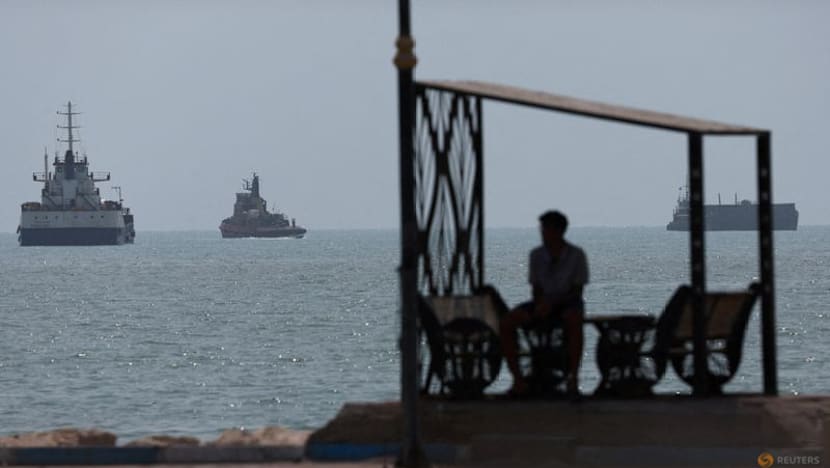
Brent crude futures surged over 2.5% on Monday after renewed US-Iran military action sparked worries about potential global oil supply disruptions. Brent crude futures settled at $90.49 a barrel, marking its highest level since August 25. Meanwhile, US West Texas Intermediate crude prices jumped 2.83% to $85.76 a barrel. US President Donald Trump vowed a tough response following Iran's missile strikes on two US air bases in Jordan, a retaliatory move for an attack on Iran's Larak Island.
The White House claimed they would "hit them hard," though there was no proof of attacks on Kharg Island, which Iran vehemently denied. Vice President Kamala Harris stated Trump was sending a message to Iran with the post. Despite the military escalation, some Gulf oil shipments managed to pass through the Strait of Hormuz, which accounts for one-fifth of global oil supplies, helping to maintain shipping volumes.
However, the resumption of hostilities has re-established a supply premium, according to analysts at Gelber & Associates. US Treasury Secretary Scott Bessent explained that the aim of US sanctions on Iran is to create conditions for negotiations and potential de-escalation. Trump also stated that oil secured under a deal with Venezuela would be used to replenish the US Strategic Petroleum Reserve, which has hit a 44-year low.
Numerous US energy companies, including Chevron, GE Vernova, ONGC, Eni, and GeoPark, are set to finalize agreements for energy projects in Venezuela.
Written by urgent.news from CNA - Business's reporting — not their text. Machine-written — may contain errors; check the original before relying on it.
This story
This is one outlet's version. Read the fullest account.
- Iran says targeted US military in UAE, Jordan: state TV brecorder.com
- Oil rises as US, Iran resume military attacks channelnewsasia.com