Trita Parsi on why US air strikes strengthened Iran’s hand and failed to trigger a revolt
Trita Parsi is co-founder and executive vice-president of the Quincy Institute, a Washington-based think tank. He is an expert on US-Iranian relations, Iranian foreign policy and the geopolitics of the Middle East. He has written four books on US foreign policy in the Middle East, with a particular focus on Iran and Israel. Born in Iran, Parsi moved to Sweden with his family as a child and then…
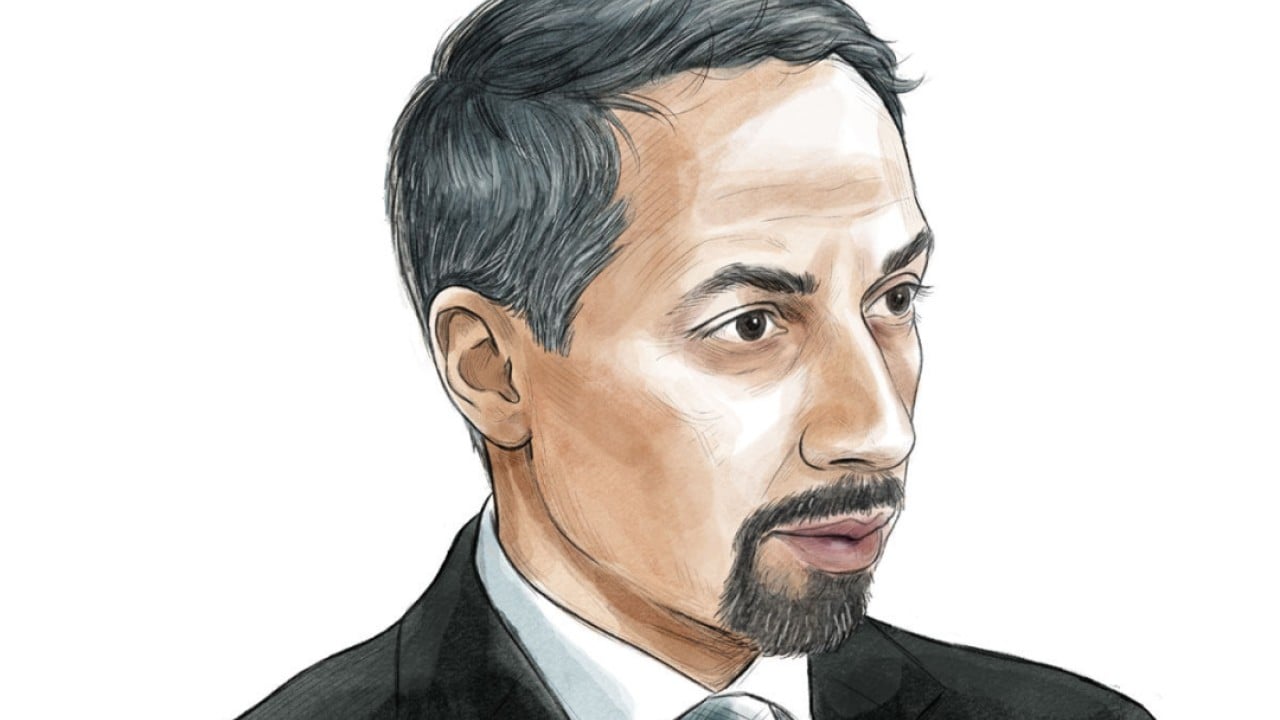
Trita Parsi, a renowned expert on US-Iranian relations and Iranian foreign policy, weighs in on the implications of President Donald Trump's economic sanctions on Iran. According to Parsi, these sanctions, dubbed "Trump's D-Day," might fail to significantly weaken Iran, or they could provoke a retaliatory escalation from Tehran, but it is highly unlikely that they would lead to Iran's surrender.
Iran, according to Parsi, fears capitulation more than it fears escalation, which has been the pattern so far. This suggests that the sanctions might kick off another cycle of escalating tensions rather than bringing an end to the conflict.
The situation is further complicated by the ongoing tensions between the US and Israel over Iran's activities in the Strait of Hormuz. Both sides have been issuing conflicting statements, while Iran has been increasing its demands. Due to a lack of trust and the presence of some contentious issues in the talks, it appears that a resolution is unlikely in the near future. The current conflict, while not beneficial to the US, has not provided any advantages to either side, and there is a risk that it could reignite fighting.
The prospect of military conflicts remains, albeit with a higher risk due to the US's dwindling ammunition supply. As the conflict persists, Iran's domestic situation might improve, given Iran's increased leverage and deterrence capability. However, the prolonged conflict could also lead to internal discontent in Iran, potentially weakening the Islamic Republic's hold on power.
The fallout from the war could exacerbate existing issues within the country, potentially leading to greater unrest if the conflict drags on for an extended period.
Written by urgent.news from Reuters Business via SCMP's reporting — not their text. Machine-written — may contain errors; check the original before relying on it.
This story
This is one outlet's version. Read the fullest account.
- US strikes Iran near Strait of Hormuz in first military action in a month thenationalnews.com
- Trita Parsi on why US air strikes strengthened Iran’s hand and failed to trigger a revolt scmp.com
- US strikes Iran for first time in a month, Tehran retaliates al-monitor.com
- US strikes Iran for first time in a month punchng.com
- Middle East Live: US strikes Iran for first time in a month france24.com
- Iran retaliates after first US strikes in a month rte.ie
- US strikes Iran for first time in a month nst.com.my
- US strikes Iranian military sites to prevent mine deployment in Strait of Hormuz: Axios english.ajel.sa