The Economist Says 70% of the World’s Cocaine Comes From Colombia
A sweeping visual investigation recently published by The Economist has laid bare the staggering scale and devastating social toll of Colombia’s cocaine trafficking industry. The exhaustive report, titled “Inside Colombia’s cocaine factories: the $15bn drug trade that has touched every corner of society,” utilizes the striking imagery of photojournalist Mads Nissen to document the illicit […]
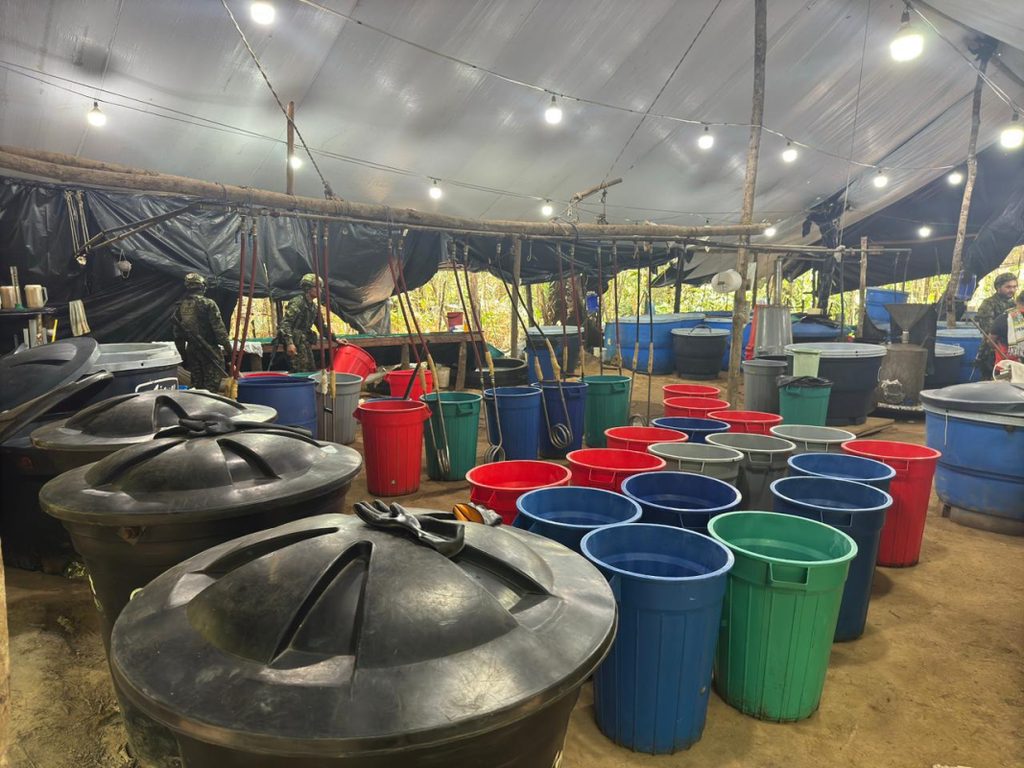
The Economist has published a comprehensive investigation revealing the staggering scale and severe social impact of Colombia's cocaine trafficking industry. The report, titled "Inside Colombia’s cocaine factories: the $15bn drug trade that has touched every corner of society," utilizes powerful imagery from photographer Mads Nissen to document the illicit supply chain from remote jungle laboratories to European streets.
The most alarming finding from the investigation is that Colombia supplies approximately 70 percent of the world's cocaine, a figure so significant that cocaine officially surpassed oil as Colombia's leading export in 2024. Drug production in rural Colombia is deeply entrenched, with the production process requiring around 600 kilograms of raw coca leaves to create a single kilogram of cocaine powder.
For rural farming families, processing these leaves can provide daily incomes that more than double what they would earn picking coffee. The drug is then smuggled out of the country using various methods, including human mules at Bogota airport and loaded vessels from Pacific ports like Tumaco and Buenaventura. The report also highlights the tragic human cycle perpetuated by the drug trade, focusing on marginalized urban communities like Potrero Grande in Cali, where many residents originally came as displaced refugees fleeing cartel violence.
Lack of economic opportunities in urban areas often pushes the youth into criminal structures, mirroring the transnational crisis linking Latin American production networks to European consumption. Despite high operational costs and dangers, law enforcement continues to struggle against the resilience of these criminal networks, following the National Police's elite anti-narcotics unit, Los Comandos Jungla, as they conduct aerial raids and destroy hidden laboratories in the Colombian jungle.
Written by urgent.news from Colombia One's reporting — not their text. Machine-written — may contain errors; check the original before relying on it.