NASA's Roman telescope set to launch on cosmic mapping mission
NASA is preparing to launch its new flagship space telescope on Sunday, embarking on a multiyear mission to create an unprecedented map of the cosmos and shed light on some of the biggest mysteries in physics.

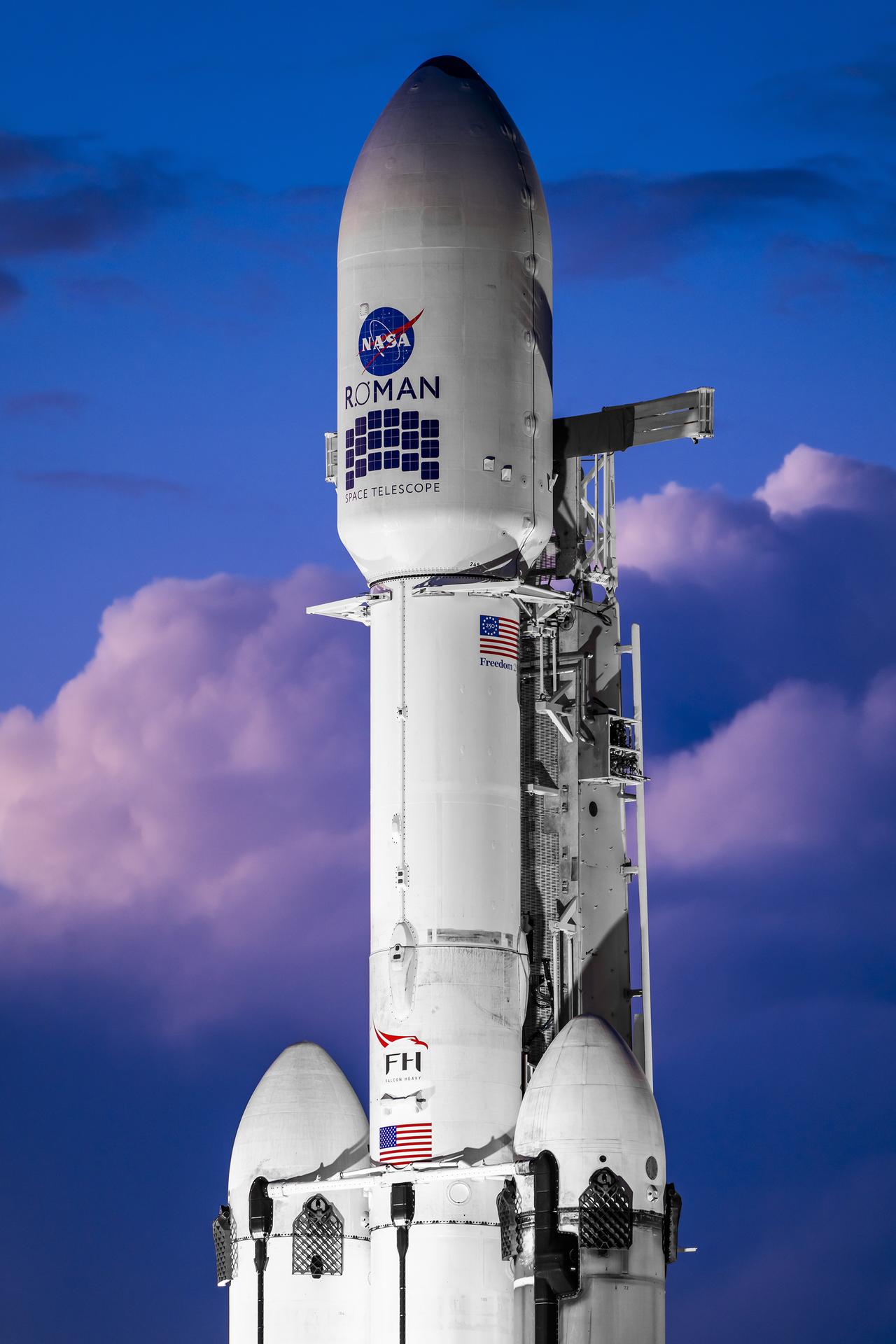
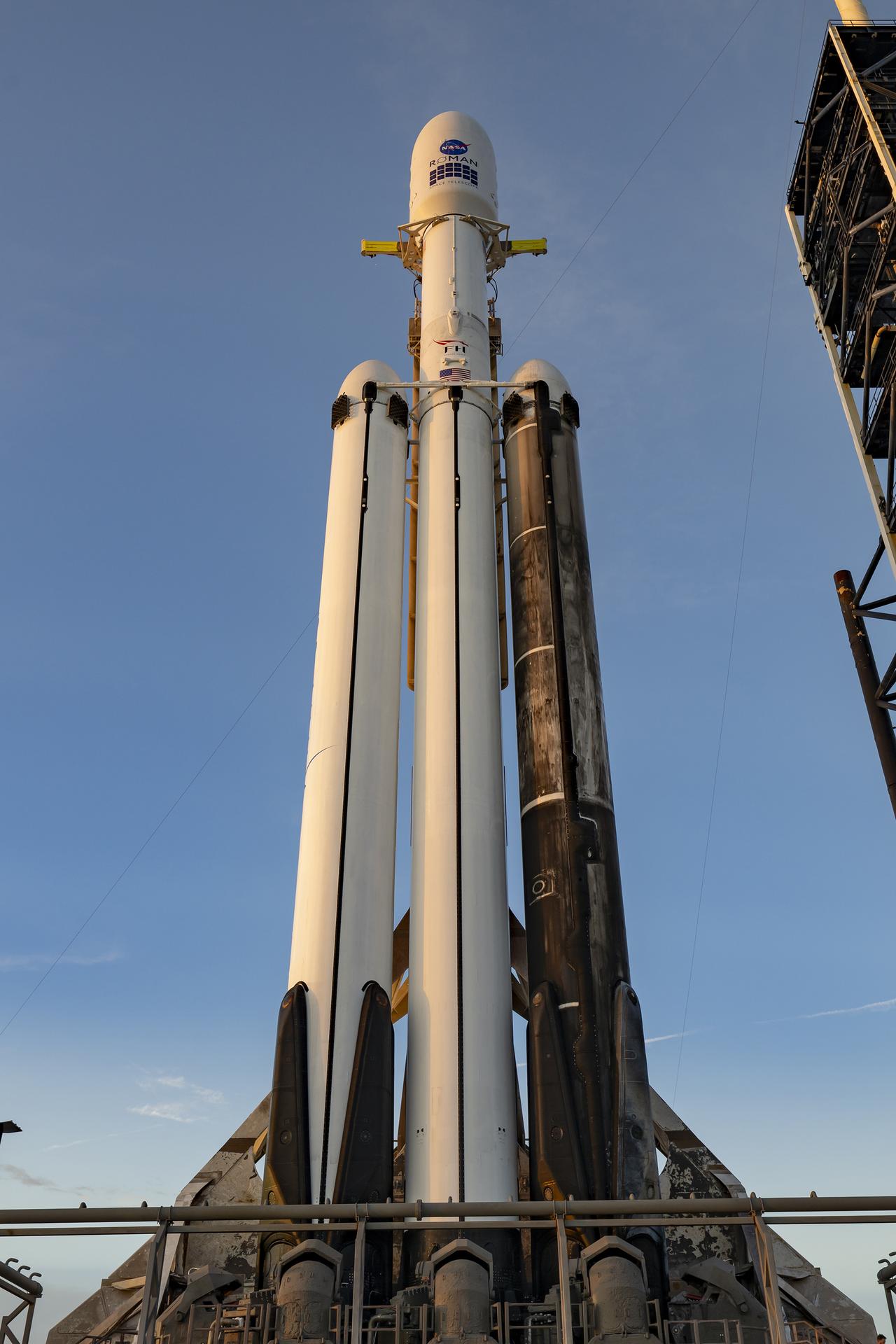
NASA is set to launch its Roman Space Telescope on Sunday, embarking on a multiyear mission to create an unprecedented map of the cosmos. Designed to take a panoramic view of space, the telescope will help unlock the secrets of the universe. Standing over 12 meters tall, it is scheduled to launch from Florida aboard a SpaceX Falcon Heavy rocket at 7:26 a.m. (1126 GMT).
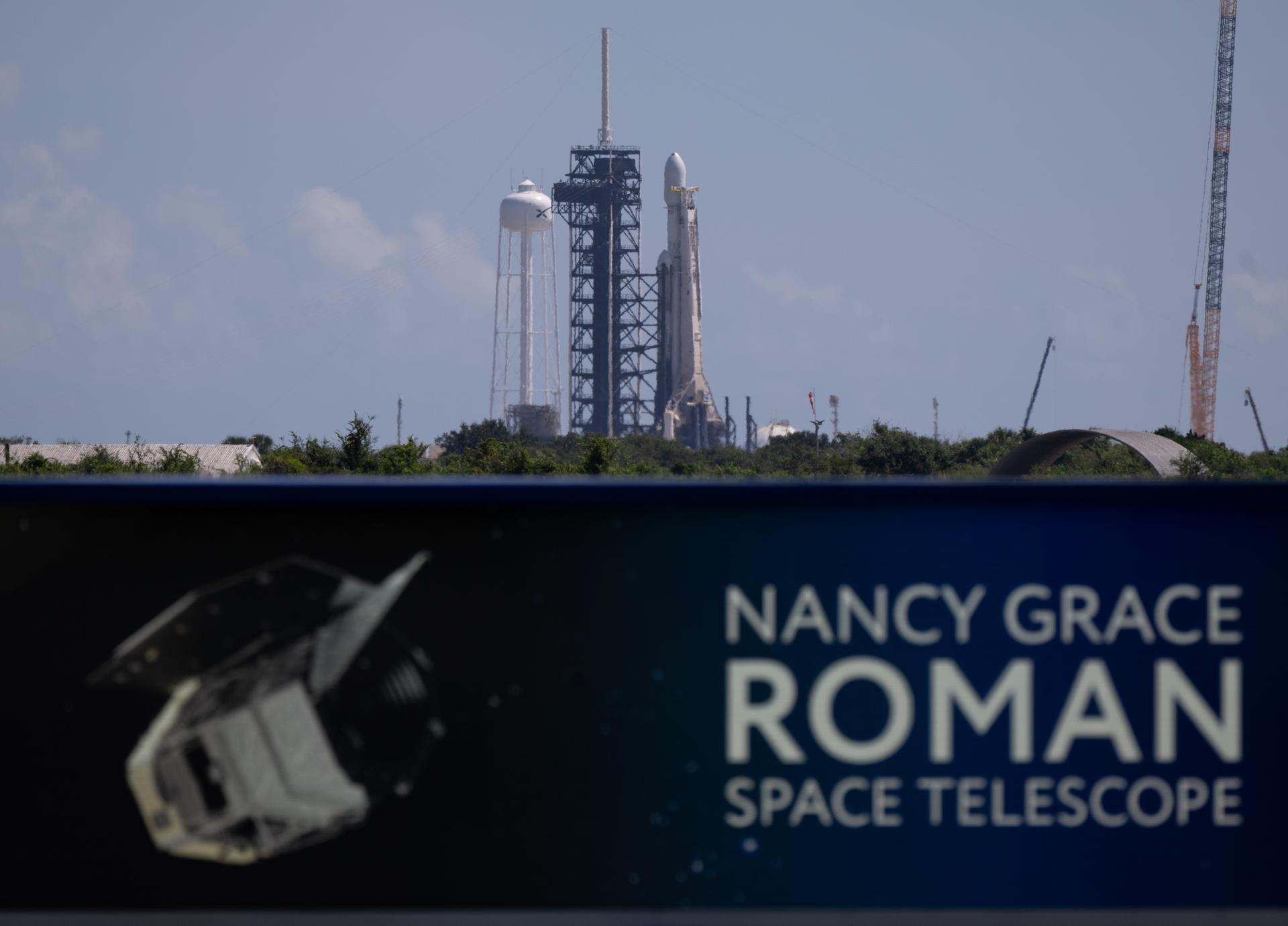
Developed over a decade at a cost exceeding $4 billion, the telescope is named after pioneering astronomer Nancy Grace Roman, known as the "Mother of Hubble."
Roman will give Earth a new atlas of the universe, with a field of view 100 times larger than Hubble's. It will survey vast swaths of the sky from a distance of 1.5 million kilometers from Earth, taking about 100 days to reach. The telescope will work in tandem with other observatories like the James Webb Space Telescope, aiming to discover thousands of exoplanets and tens of thousands of supernovae. It will also shed light on dark matter and dark energy, which together make up about 95% of the universe.
The telescope's infrared vision allows it to detect light emitted by celestial objects billions of years ago, effectively looking back in time. This will help scientists understand these two mysterious phenomena and test their current model of the universe's expansion. Recent observations suggest the model may be incorrect. Scientists and the public will have access to all of the telescope's data, but the sheer volume will be challenging to handle.
The Roman Space Telescope is expected to generate about 1.3 terabytes of data a day, far beyond what can be downloaded to a laptop. However, the telescopes' observations are highly anticipated, as they could challenge scientists' understanding of the universe's structure and lead to new questions for future missions.
Written by urgent.news from Phys.org's reporting — not their text. Machine-written — may contain errors; check the original before relying on it.
This story
This is one outlet's version. Read the fullest account.
- NASA Roman Arrives at Launch Pad, Mission Briefings Scheduled science.nasa.gov