NASA Roman Arrives at Launch Pad, Mission Briefings Scheduled
On Saturday, a SpaceX Falcon Heavy rocket carrying NASA’s Nancy Grace Roman Space Telescope rolled out from the hangar to Pad 39A at NASA’s Kennedy Space Center in Florida. The post NASA Roman Arrives at Launch Pad, Mission Briefings Scheduled appeared first on NASA Science .
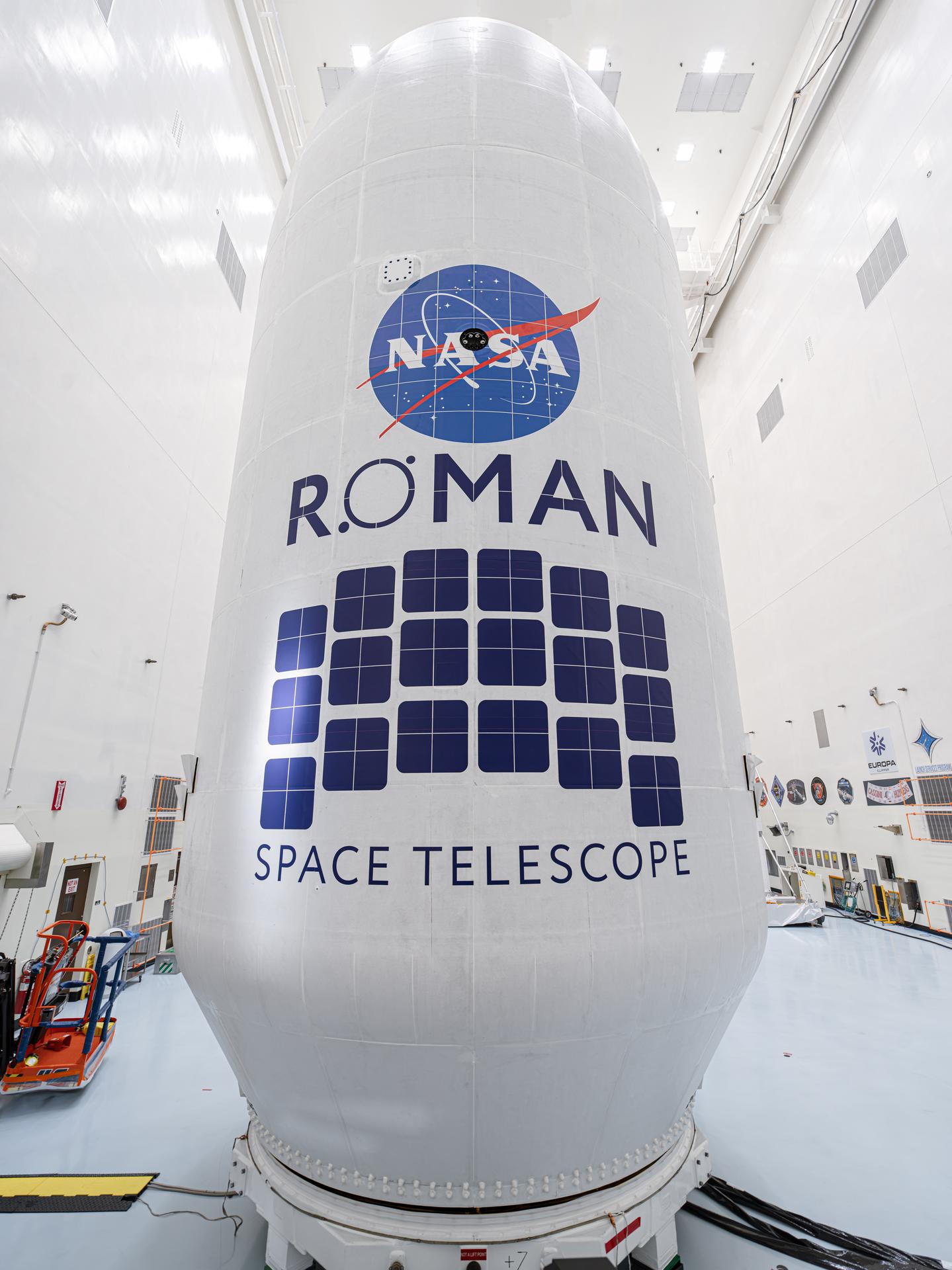
NASA’s Nancy Grace Roman Space Telescope has arrived at its launch pad in Florida, where it will soon be prepared for its journey aboard a SpaceX Falcon Heavy rocket. The telescope, which is roughly the size and weight of a school bus, was encapsulated inside its payload fairing at the Kennedy Space Center’s Payload Hazardous Servicing Facility on Monday, Aug.
24, ahead of being mounted to the rocket. On Saturday, the nearly 230-foot Falcon Heavy rocket was rolled out from its hangar to Launch Complex 39A for the Roman telescope’s final preparations. The powerful rocket, with its 27 Merlin engines, will generate over five million pounds of thrust to propel the telescope over a million miles from Earth.
NASA will hold a 9 a.m. EDT science briefing to discuss the mission, with coverage streamed live through various platforms. Later, several news conferences will be held to further discuss the Roman mission, featuring NASA officials such as Shawn Domagal-Goldman, Julie McEnery, Vanessa Bailey, Kristen McQuinn, and Lee Armus. Following the science briefing, a prelaunch news conference will be held at 10:30 a.m. The agency is targeting a 7:26 a.m. liftoff on Sunday, Aug. 30 from Launch Complex 39A.
Written by urgent.news from NASA Science's reporting — not their text. Machine-written — may contain errors; check the original before relying on it.