"A giant leap forward": Nasa launches powerful new space telescope to explore mysteries of the Universe
The US space agency's telescope is starting a multi-year mission to create a new map of the universe and learn more about dark energy and dark matter.
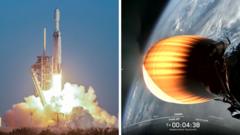
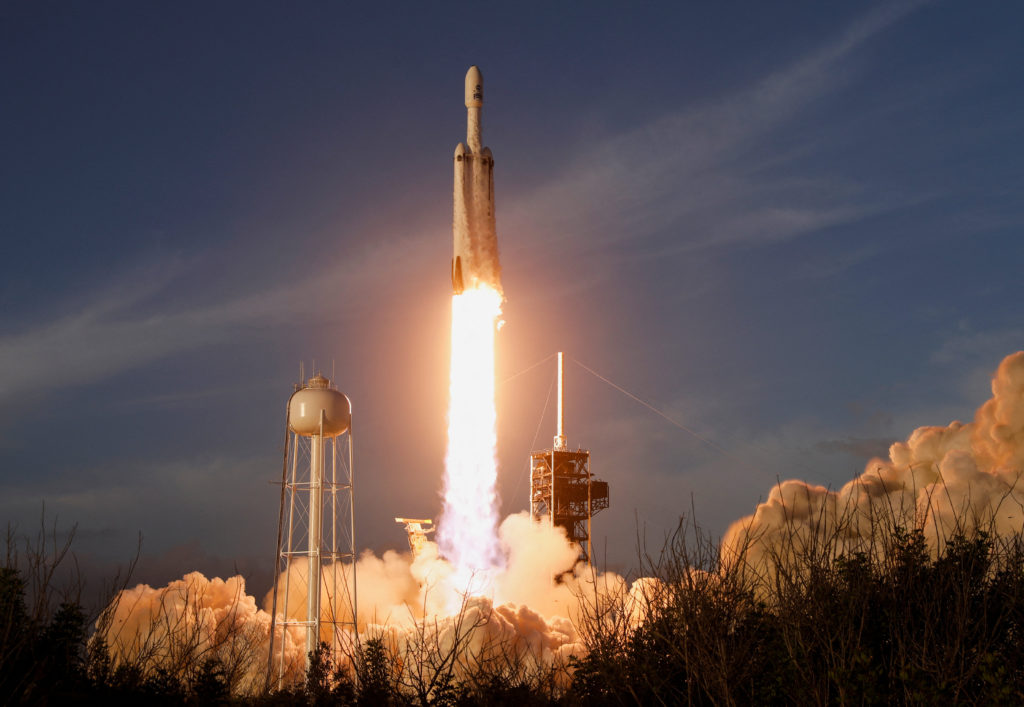
NASA has successfully launched a new, advanced space telescope from Florida, marking a significant leap in exploring the mysteries of the Universe. The Nancy Grace Roman telescope, named after the first female executive of NASA, boasts a panoramic view 100 times larger than its predecessors, the Hubble and James Webb telescopes.
Over a 100-day journey, the telescope will reach a vantage point roughly one million miles from Earth, where it will begin its mission to study exoplanets, dark energy, black holes, and other celestial phenomena.
Nicky Fox, NASA's administrator, expressed excitement over the telescope's capabilities, predicting it will discover tens of thousands, if not 100,000 new exoplanets. This mission is crucial to answering one of NASA's primary questions: "Are we alone in the Universe?" US President Donald Trump congratulated the scientists, emphasizing the nation's leading role in space exploration.
The telescope's location, four times farther from Earth than the Moon, ensures minimal interference from lunar and Earth-based infrared light. Nasa's James Webb Space Telescope, launched in 2021, shares a similar orbit but offers a smaller field of view. Hubble, launched in 1990, orbits closer to Earth.
Nancy Grace Roman, the telescope's namesake, played a pivotal role in the development of the Hubble Space Telescope. The Roman telescope is expected to revolutionize our understanding of the Universe, including the study of dark energy and dark matter, which together make up about 95% of the cosmos. The telescope has a five-year primary lifespan with potential operations extending up to 10 years.
Written by urgent.news from BBC News's reporting — not their text. Machine-written — may contain errors; check the original before relying on it.