The neglected knife: Why global health overlooks surgery
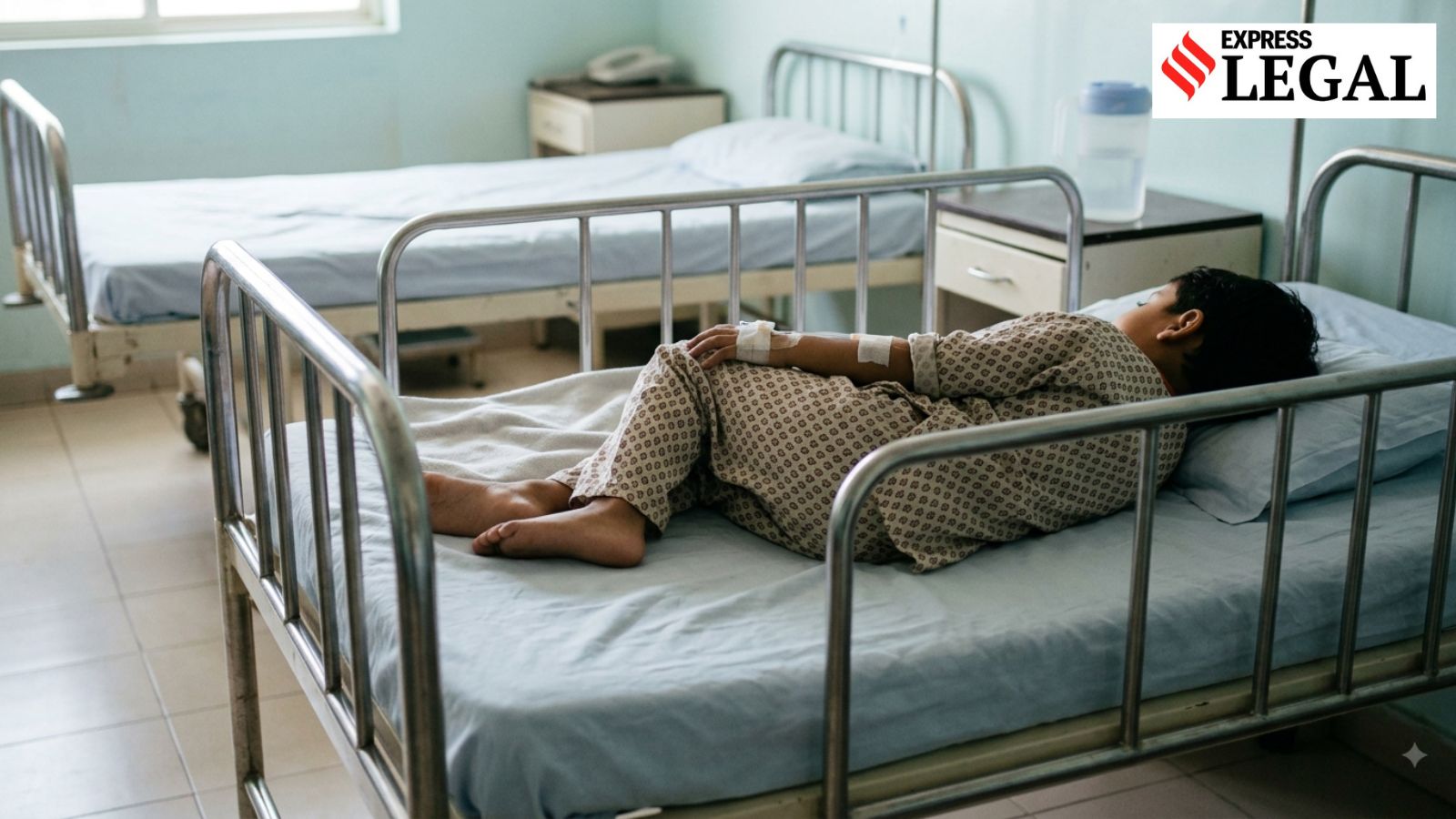
Two teenage girls in obstructed labour were evacuated to a hospital in South Sudan. One died on the plane. The other had her ruptured uterus repaired and her life saved. Their fates were separated only by the minutes taken to reach a functioning operating room. That margin between life and death is the overlooked story of global surgery at a time when nearly a third of the global disease burden…
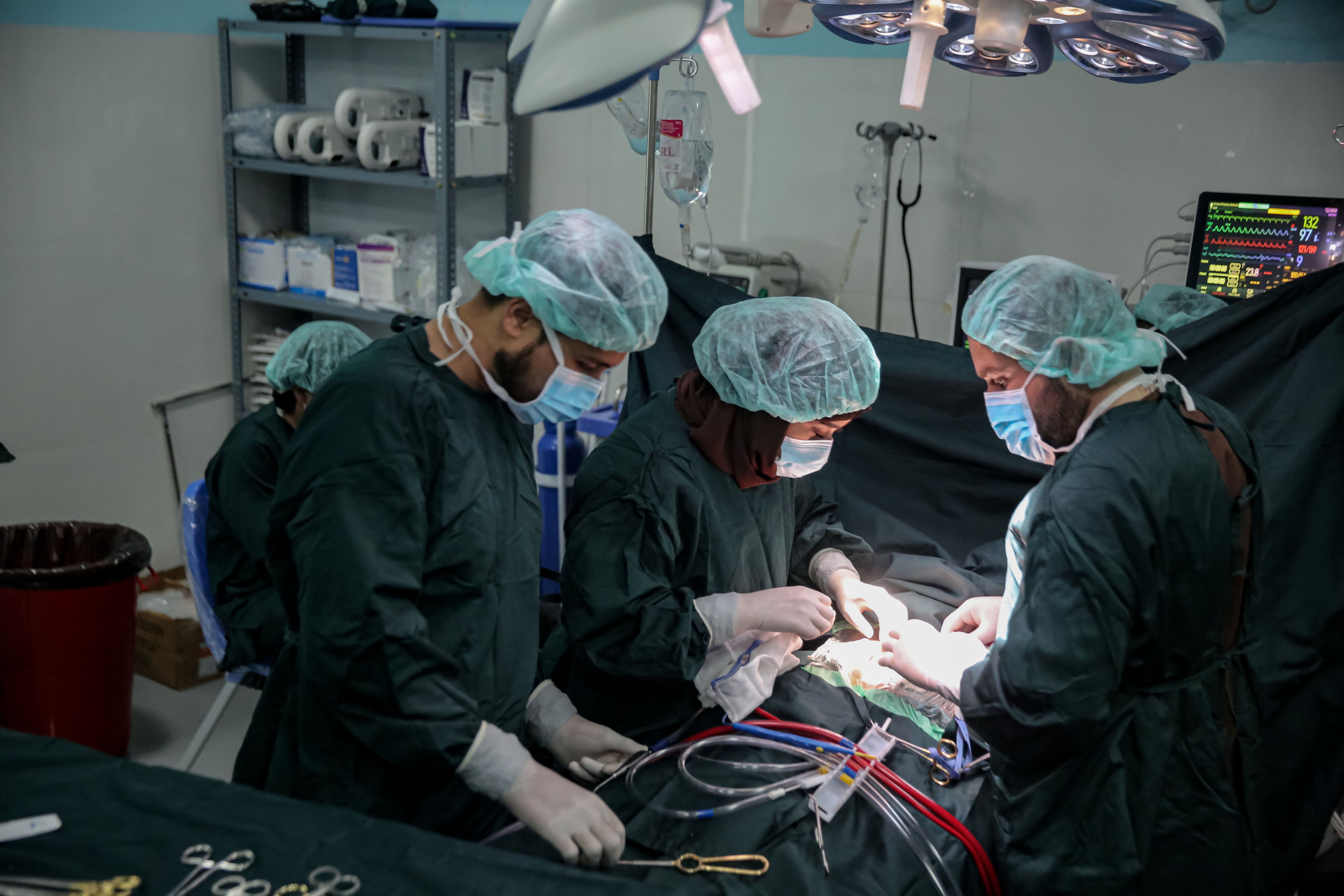
The surgery gap in global health is a neglected issue that often goes unnoticed, despite being critical in addressing a significant portion of the global disease burden and disability. Two teenage girls in obstructed labor, evacuated to a hospital in South Sudan, highlight the dire consequences of delayed access to surgical care. One succumbed to her injuries, while the other survived after her ruptured uterus was repaired. This stark contrast in outcomes underscores the importance of timely surgical interventions.
Despite accounting for nearly a third of the global disease burden and 15% of the world's disability, surgery remains underfunded and undervalued. Out of nearly $30 billion in annual foreign aid for health, the portion dedicated to surgery remains unclear. The 2015 Lancet Commission on Global Surgery set targets to increase surgical procedures by 5,000 per 100,000 population by 2030 and ensure access for 80% of people within two hours.
However, recent funding cuts and reallocation of resources have left surveillance systems for tracking surgical needs in disarray.
Surgery is often overlooked due to the perception that it lacks the clear narrative and measurable metrics associated with other health interventions. Unlike conditions such as malaria or diabetes, which have straightforward metrics and continuous risk, surgery is a complex healing system that is harder to photograph, applaud, and fund.
This neglect becomes evident when examining national health strategies. A review of African national health strategies found that one in five did not mention surgery at all, and none made significant budgetary provisions for it.
The funding gap is staggering. Approximately 17 million lives are lost annually due to the lack of safe and affordable surgical care, which is nearly six times the number of lives lost to HIV, tuberculosis, and malaria combined. Despite the Sustainable Development Goals set in 2015, which aimed to perform 5,000 procedures per 100,000 population and ensure universal access to essential surgery, the growth in the surgically excluded population and unmet needs poses a widening gap. Population increase and aging further exacerbate this issue.
Written by urgent.news from The National UAE's reporting — not their text. Machine-written — may contain errors; check the original before relying on it.
This story
This is one outlet's version. Read the fullest account.
- The neglected knife: Why global health overlooks surgery thenationalnews.com