The neglected knife: Why global health overlooks surgery
Two teenage girls in obstructed labour were evacuated to a hospital in South Sudan. One died on the plane. The other had her ruptured uterus repaired and her life saved. Their fates were separated only by the minutes taken to reach a functioning operating room. That margin between life and death is the overlooked story of global surgery at a time when nearly a third of the global disease burden…
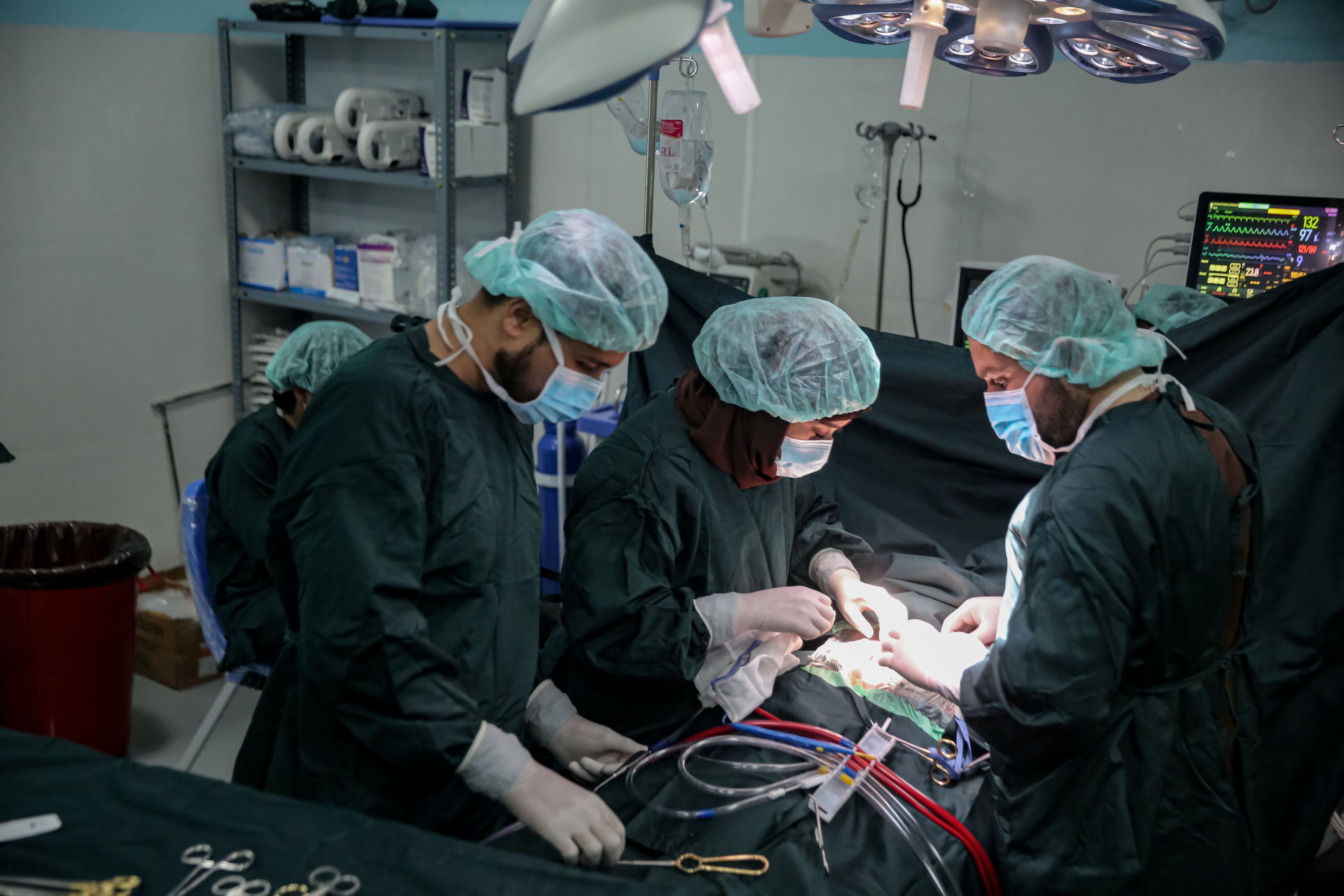
The story of global surgery remains hidden in the shadows, despite nearly a third of the world's disease burden and 15% of its disability requiring surgical intervention. Five billion people, comprising 90% of those in low and lower-middle income countries, lack access to safe and affordable surgical care, resulting in 17 million preventable deaths annually.
The reasons for this neglect are multifaceted; surgery is not a condition people plan for, and once the recovery occurs, it fades from consciousness. Additionally, global health interventions prioritize straightforward conditions with clear metrics, while surgery is complex, harder to measure and fund.
This neglect is evident when examining national health strategies in Africa. Although 20% of them do not mention surgery at all, none allocate significant budgetary provisions to it. Furthermore, foreign aid for health, which amounts to roughly $30 billion yearly, spends little on surgery. The lack of tracking these statistics, despite the Sustainable Development Goals set in 2015, contributes to this ignorance.
The irony lies in the fact that recent aid cuts and diversion of national social spending towards security have led to the near-disappearance of surveillance systems capable of tracking surgical needs. These systems would have revealed a widening gap due to population growth and an aging population. Projections show that the surgically excluded population has increased to six billion, with unmet needs reaching 160 million procedures annually.
Despite this, the surgical gap continues to widen as the ambition for universal health coverage falls short of its 2030 milestones. The failure to recognize surgery's catalytic role in connecting health services is a key factor in this neglect. The development case for increasing surgical coverage is compelling, as investing about 0.5% of gross domestic product per capita in low and lower-middle income countries could avert 2% of annual growth from surgically avertable mortality and morbidity.
This investment amounts to just $5 per capita, a small fraction of the $40 spent on health overall and a smaller proportion of the $250 needed for comprehensive universal health coverage.
Written by urgent.news from The National Business's reporting — not their text. Machine-written — may contain errors; check the original before relying on it.
Also reported by 1 other outlet
- The neglected knife: Why global health overlooks surgery thenationalnews.com