New discovery beneath Tenerife could explain the island’s mysterious earthquake activity
People living in Tenerife have been given a new insight into what could be happening beneath their feet after scientists […]
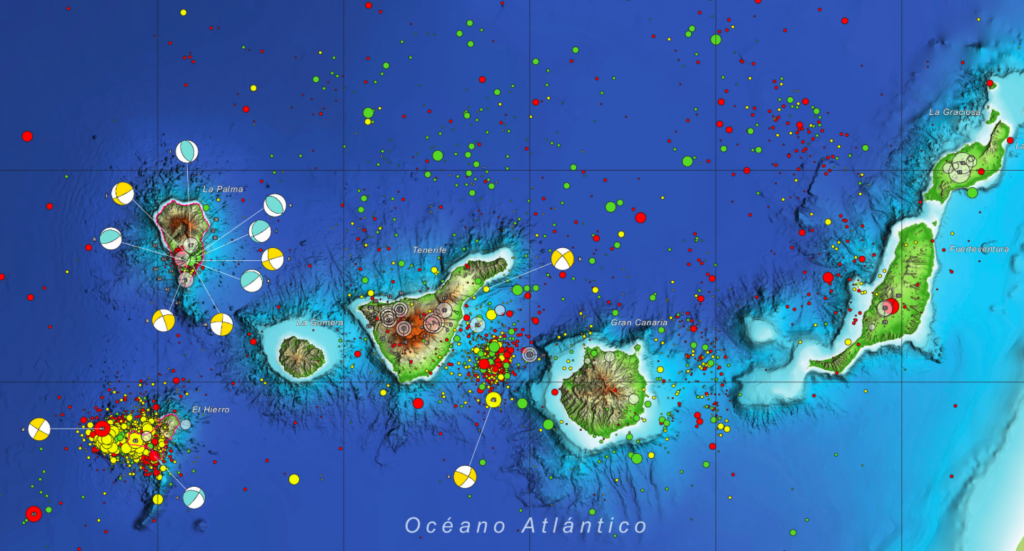
Scientists have discovered a significant accumulation of magma beneath western Tenerife, providing new insight into the island's unusual seismic activity. The magma-rich zone, detected as part of the first three-dimensional study of the island's deep structure, consists of four areas between 10 and 30 kilometres underground where seismic waves travel more slowly than surrounding rock.
The most substantial anomaly is located beneath the western part of the island. This finding aligns with areas experiencing persistent seismic activity since 2016. Researchers believe the slow seismic waves are indicative of extremely hot material and a high proportion of molten rock. Thermodynamic modelling suggests the accumulation of magma originating in the upper mantle.
The newfound magma zone coincides with the regions where Tenerife's unusual seismic activity has been concentrated over the past decade. Scientists propose that the relationship could explain some of the earthquakes beneath the island, as magma and gases moving through the volcanic system could be contributing to the seismic activity.
The magma is believed to be accumulating through magmatic underplating, where it rises from the mantle but becomes trapped beneath the crust, gradually building up a substantial body of hot, partially molten material. While the discovery does not indicate an imminent eruption, it provides a clearer picture of the volcanic processes taking place underground.
The significance of this study lies in the researchers' ability to visualize Tenerife's deep internal structure in unprecedented detail, offering insights into how magma enters the island from the mantle, accumulates, and how fluids and gases move through the island. Despite the groundbreaking discovery, scientists are not warning that Tenerife is about to erupt, as magma's presence alone does not indicate an eruption is imminent.
The research emphasizes the importance of continued monitoring of earthquakes, volcanic gases, and other changes to assess whether the system remains stable or begins to change.
Written by urgent.news from Euro Weekly News's reporting — not their text. Machine-written — may contain errors; check the original before relying on it.