Vegas saved 203B gallons ditching lawns, but surface temps rose 20°C
Las Vegas is making headlines for its initiative to remove grass lawns, which has successfully conserved billions of gallons of water. Nevertheless, this environmental strategy has led to a concerning increase in local summer land-surface temperatures, soaring by around 20 degrees Celsius. As a response, water agencies are now promoting the use of water-efficient landscaping and shade trees, and…
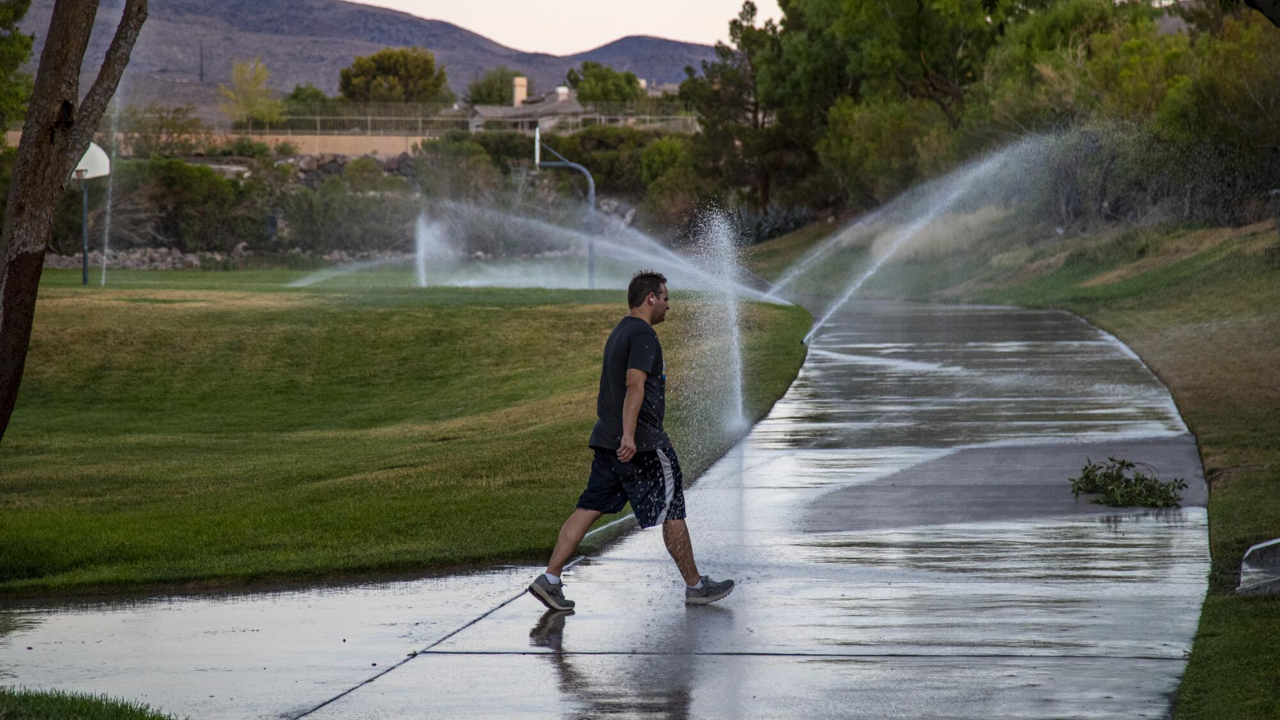
In a major effort to conserve water in the Las Vegas Valley, property owners have removed 250 million square feet of grass since 1999, saving 203 billion gallons of water. The Southern Nevada Water Authority’s Water Smart Landscapes Rebate programme offers financial incentives for replacing water-heavy lawns with desert landscaping and drip irrigation.
This grass removal, however, has resulted in a significant rise in local surface temperatures, increasing by 20°C during the hottest summer months. A study in Urban Climate found that turf grass removal led to a 20 ± 0.3 Kelvin increase in land-surface temperatures, while urbanization contributed to a 5 ± 0.3 Kelvin rise. Researchers noted that grass lawns help cool their surroundings through evapotranspiration, but their removal results in higher temperatures.
Since outdoor irrigation accounts for most of the non-recoverable water loss in Las Vegas, planners have focused on removing grass to stay within water limits. Replacing grass with water-efficient landscapes and deep-rooted shade trees, watered through targeted drip systems, can mitigate the heat increase without using excessive water.
The challenge for Las Vegas lies in balancing water conservation with creating cooler, more habitable neighborhoods as temperatures continue to soar.
Written by urgent.news from Times of India's reporting — not their text. Machine-written — may contain errors; check the original before relying on it.